Treasury Secretary Urges Fed to Cut Rates by 1.5-1.75%
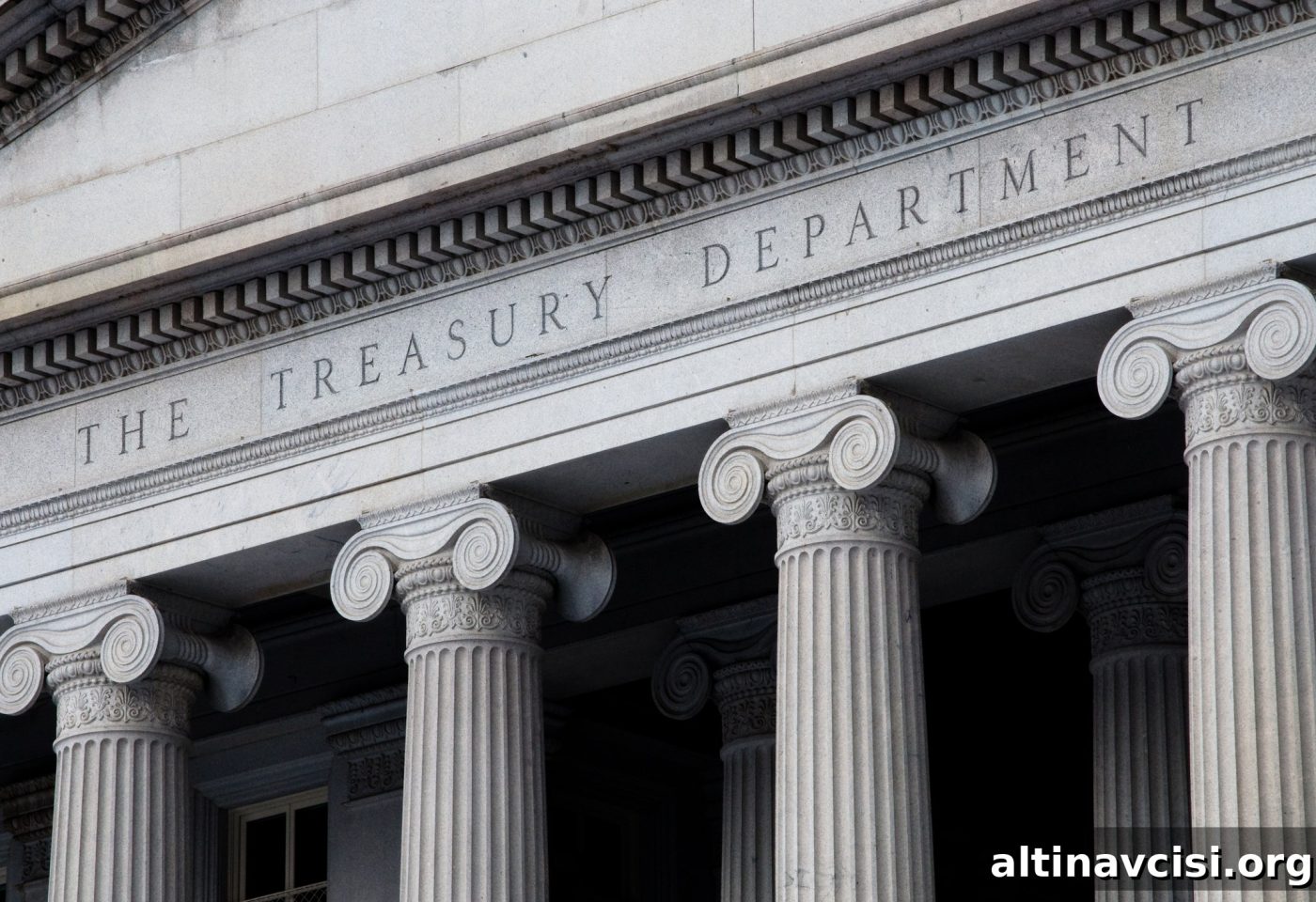
Treasury Secretary Scott Bessent Calls for Significant Interest Rate Reductions
On Bloomberg TV, Treasury Secretary Scott Bessent publicly urged substantial reductions in interest rates, arguing that current policy settings are excessively restrictive for the U.S. economy. Bessent stated that interest rates should be roughly 150 to 175 basis points lower than current levels, a recommendation that would represent a sizable shift in monetary policy if implemented.
Specifics of the Call: Size and Timing
Bessent outlined a view that the Federal Reserve should begin a cutting cycle sooner rather than later. He specifically highlighted the possibility of an initial cut of 50 basis points as early as September. If followed by further reductions that cumulatively meet his suggested 150–175 basis point target, such actions would materially ease borrowing costs across the economy and alter financial conditions for businesses, consumers, and markets.
How This Differs from the Fed’s Recent Stance
The recommendation from the Treasury Secretary stands in contrast to the Federal Reserve’s more cautious and measured public posture in recent months. While the Fed has emphasized data dependence and gradual approach to policy changes, Bessent’s statement signals a push for more aggressive accommodation from the monetary authorities. That divergence highlights an active policy debate about the appropriate balance between containing inflation risks and supporting growth.
Potential Economic Implications
Interest rate cuts on the scale Bessent proposed—equivalent to 1.50–1.75 percentage points—could have broad effects. Lower policy rates generally reduce borrowing costs for consumers and businesses, potentially stimulating spending on housing, durable goods, and capital investment. Financial markets tend to respond to rate cuts with shifts in bond yields, equity valuations, and currency values. However, the ultimate impact depends on the timing, speed, and communication of any Fed action, as well as underlying economic fundamentals such as inflation trends, labor market conditions, and global developments.
Policy Considerations and Risks
Calls for large, rapid rate reductions raise several policy considerations. One is the risk of reigniting inflationary pressures if accommodative policy is applied too broadly or for too long. Another is the importance of maintaining the Federal Reserve’s independence and its data-driven framework for setting policy. Market participants and policymakers will weigh the potential benefits of stimulating growth against the risks to price stability and financial stability.
Political Context
Bessent’s remarks were also read as reflecting the broader administration’s preference for more aggressive monetary accommodation to support the economy and market conditions. Whether or not the Fed follows such guidance depends on its assessment of the economic outlook, inflation readings, and financial stability considerations. Any move by the Federal Reserve will be scrutinized for its alignment with evolving data and for signals it sends about the trajectory of future policy.
Market Outlook and What to Watch
Investors and analysts will be watching several indicators to gauge the likelihood of significant rate cuts: incoming inflation data, payroll and employment reports, consumer spending trends, and financial market volatility. Communication from the Federal Reserve—through minutes, speeches, and official statements—will also be key to understanding whether the institution is prepared to shift course toward the level of easing Bessent recommended.
In sum, Treasury Secretary Scott Bessent’s public call for a reduction of 150–175 basis points and the suggestion of an initial 50 basis point cut in September marks a notable intervention in the monetary policy conversation. It amplifies the debate about the appropriate pace and magnitude of policy easing, highlighting the trade-offs between supporting growth and maintaining price stability.
Popular Topics
Picked from the archive
-
01
 Topics
Fed Minutes Signal Deepening Concern Over Persistent Inflation
-
02
Topics
Fed Inflation Gauge Falls to 2.1% as Consumer Spending Slows
-
03
Topics
Gold Rises Friday but Posts Weekly Loss After Inflation Shock
-
04
Topics
Profit-Taking Pauses Gold Near $3,380 Amid Trade Policy Fears
-
05
Topics
U.S. Gas Prices Fall to 12-Month Low Despite Heat; Storage Up 6%
-
06
Topics
Russian Central Bank Cuts Rates by 2% as Inflation Slows
-
07
Topics
Texas to Recognize Gold and Silver as Legal Tender in 2027
-
08
Topics
Gold Price Climbs 30% YTD Amid Economic Uncertainty