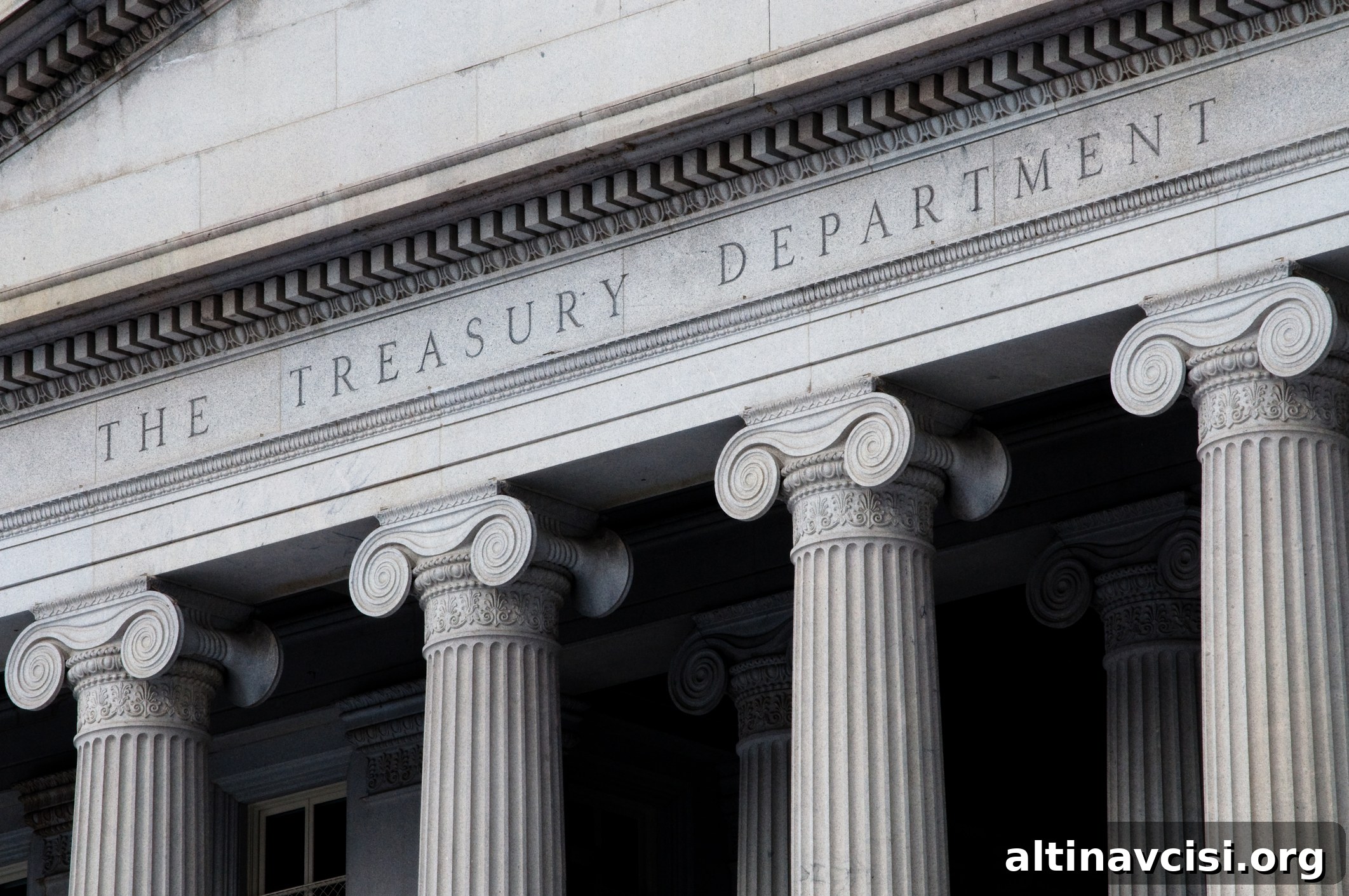
Treasury yields ticked higher following the release of April’s consumer price index, which showed a 2.3% year‑over‑year increase — slightly below market expectations. Investors reacted to the softer‑than‑forecast inflation reading by adjusting fixed‑income positions, but markets remain cautious given ongoing policy uncertainty.
The April inflation print suggests that headline inflation continues to moderate from its recent highs. Core components of the report indicated a steady pace of price growth, and some categories showed signs of cooling. That said, the numbers do not capture the full range of potential price pressure from current trade and tariff measures, so economists and portfolio managers are treating this data point as only one piece of a broader, more fluid picture.
Trade policy remains a key variable for future inflation and economic activity. The U.S. and China recently reached a short‑term agreement to roll back the highest tariffs, cutting most levies from 125% to 10% for a 90‑day period. The temporary easing provided a degree of relief to markets and supply chains, but it is limited in scope and duration. Market participants warned that if talks stall or measures are reimposed, the resulting policy volatility could translate into renewed price pressures or disruptions to trade flows.
Analysts emphasized that tariff changes affect inflation with variable lags and uneven sectoral impacts. Import price reductions can ease cost pressures on consumer goods, but they can also create distortions if companies adjust sourcing, inventories, or pricing strategies in response. Moreover, uncertainty around future trade policy may weigh on business investment and hiring decisions, which can indirectly influence inflation and growth.
For bond markets, the interplay between headline inflation, central bank guidance, and trade developments will be critical. A cooler inflation print typically signals lower near‑term interest rate risk, which can support Treasury prices and compress yields. However, persistent policy uncertainty or signs of reaccelerating inflation due to tariff adjustments could push yields higher as investors demand greater compensation for inflation and geopolitical risks.
Looking ahead, observers are watching upcoming inflation releases, retail sales, and manufacturing data for clues about domestic demand and pricing trends. They are also following any further diplomatic or trade negotiations that could alter tariff levels or create new barriers. Until there is clearer, sustained evidence that inflation will remain on a downward path without disruptive policy shocks, markets are likely to price in a range of outcomes and maintain heightened sensitivity to news on both macroeconomic data and trade policy.
In summary, April’s 2.3% year‑over‑year inflation reading provided some reassurance that price growth is moderating, and Treasury yields adjusted modestly higher in response. Yet the temporary tariff rollback between the U.S. and China, while welcomed, leaves open the risk of renewed volatility. Investors and policymakers will be monitoring incoming data and any further trade developments closely to assess their implications for inflation, growth, and financial markets.