
Silver jumped more than 5% on Tuesday, pushing toward $80 per ounce for the first time since March, and it held those gains into Wednesday. Optimism around Iran peace talks has rippled through oil, the dollar, and Federal Reserve rate expectations — and all three are important drivers for precious metals.
The price move looks straightforward, but the forces behind it are more complex. Understanding those dynamics helps make sense of market reactions when the next headline arrives.
Why did the Iran war hurt gold and silver prices?
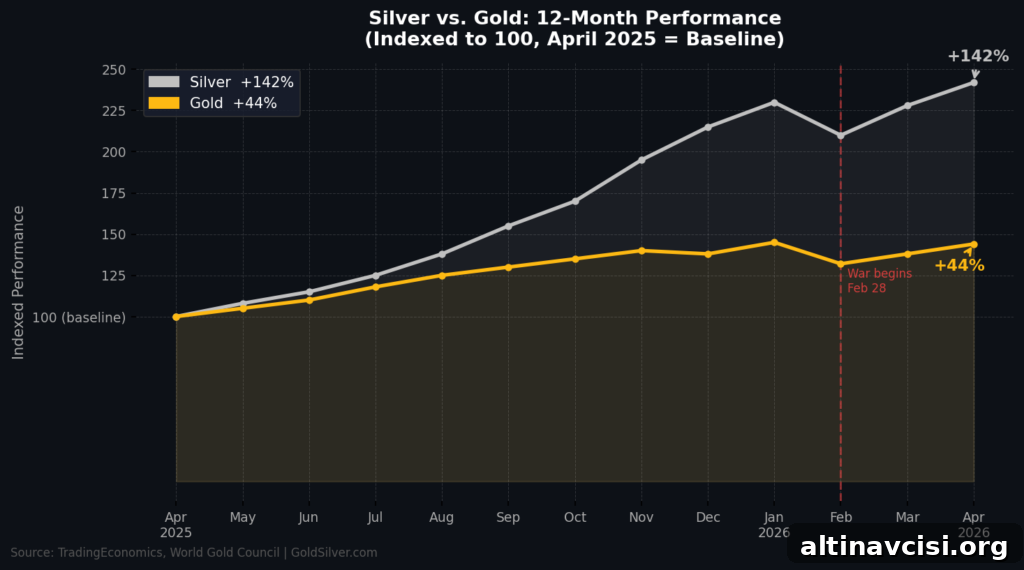
When the US and Israel began air operations against Iran on February 28, many investors expected precious metals to rally as safe havens. Instead, gold dropped roughly 10% from pre-conflict levels.
The key channel was oil. Iran’s actions closed the Strait of Hormuz, which carries about 20% of global oil flows. Crude spiked above $100 per barrel, stoking inflation expectations. Higher expected inflation reduced the likelihood of Fed rate cuts, keeping interest rates elevated. Elevated yields make Treasury securities more attractive and weigh on non-yielding assets like gold and silver.
In short, the conflict produced an inflation shock rather than safe-haven demand. On the CME FedWatch tool, rate-cut odds plunged from around 40% before the conflict to roughly 14% at the peak of the crisis.
Silver faced additional pressure because it is both a monetary and industrial metal. Monetary dynamics mirrored gold’s rate sensitivity, while industrial demand—driven by solar, electric vehicles, and grid projects—was dented by supply-chain and production disruptions tied to the conflict.
The Edge Every Investor Needs
Smarter precious metals investing starts here. The Nuggets Newsletter delivers timely market insights, Fed updates, global trends, educational videos, and more.
Why are Iran peace talks bullish for silver and gold?
The US-Iran ceasefire announced on April 8, brokered by Pakistan, began to reverse the inflation and rate dynamics almost immediately. Treasury yields fell modestly and rate-cut odds rose sharply; gold climbed more than 3% on the news.
The situation remains fragile: talks in Islamabad on April 11–12 broke down, the US naval blockade of some Iranian ports remains in effect, and the initial truce is set to expire on April 21. Still, the White House confirmed that a second round of talks is being planned, which has already prompted markets to price in a reduced war risk premium.
Oil has retreated below $90, and the dollar index slid to a six-week low as the risk premium unwound. Those moves benefit precious metals in two distinct ways for silver.
First, the monetary channel: lower oil eases inflation expectations and reopens the path to Fed rate cuts. Market pricing now reflects a substantially higher chance of a cut in 2026 compared with days earlier. The Fed’s attention to energy-driven inflation means oil is a key variable to monitor.
Second, the industrial channel: a sustained ceasefire would restore disrupted demand for silver from solar panel production, EV components, and grid upgrades. That rebuilds the industrial side of silver’s market while the monetary case improves simultaneously.
How much has silver gained compared to gold?
Over the past 12 months silver has surged roughly 142%, while gold is up about 101%. Both gains are extraordinary; silver’s move is especially pronounced.
The gold/silver ratio — how many ounces of silver buy one ounce of gold — sits near 60:1 and has been tightening as silver outperforms gold. Historically, this kind of ratio compression often occurs during phases of a metals bull market when silver’s upside outpaces gold’s.
At current levels, $5,000 would buy about 62 ounces of silver versus one ounce of gold at a much higher price. That difference is more than nominal: it represents greater exposure per dollar invested in silver.
Is the long-term case for gold and silver still intact?
The Iran conflict was disruptive but ultimately noise relative to the structural drivers for precious metals. The long-term case for gold and silver is primarily monetary and remains intact.
Central banks continue to add to reserves: the People’s Bank of China has increased gold holdings for many consecutive months, and Chinese gold ETFs recorded strong inflows recently. Those institutional flows support a sustained demand backdrop.
Meanwhile, fiscal deficits and policy decisions in major economies point to a system where fiat currencies may lose purchasing power over time. That environment tends to favor tangible stores of value like gold and silver.
What should precious metals investors watch next?
April 21 is a key date. Confirmation of a deal or an extension of the truce would likely push oil lower, weaken the dollar further, and increase the probability of Fed rate cuts — a trio of tailwinds for metals.
A breakdown before that date could reverse some recent gains, but the deeper structural bid for metals — central bank accumulation, fiscal expansion, and concerns about monetary debasement — doesn’t vanish with a single headline.
Silver has already weathered a blockade, a war impulse, and a fragile ceasefire while remaining up 142% year-over-year. If the truce holds past April 21, lower oil, a softer dollar, and rising rate-cut odds would align in favor of further silver strength.
Draw your own conclusion.
Stay On Top of Gold & Silver Prices
Get important market alerts sent straight to your inbox.
SOURCES
1. TradingEconomics — Silver Price
2. TradingEconomics — Gold Price
3. CME Group — FedWatch Tool
4. World Gold Council — China Gold Market Update
By the GoldSilver Editorial Team — helping investors understand sound money since 2005. This article is for informational purposes only and does not constitute financial, investment, or tax advice. Consult a qualified financial advisor before making investment decisions.
You May Also Like
- The Fed Goes Silent in 3 Days – What Does That Mean For Gold?
- Gold Is Down 10% From Its War-Peak — and Still Up 46% in a Year
- Gold Outranks the Dollar at Central Banks — What It Means for Your Savings
- Hormuz Blockade Sent Gold Down 2%. Here’s Why That’s Bullish
- Gold Jumps 2% as Trump Plans Iran War Address Tonight
- $88 Billion a Month: Why U.S. Debt Is Driving Gold Prices
- CPI Hits 3.3%, GDP Stalls — Is Stagflation 2026 Here?