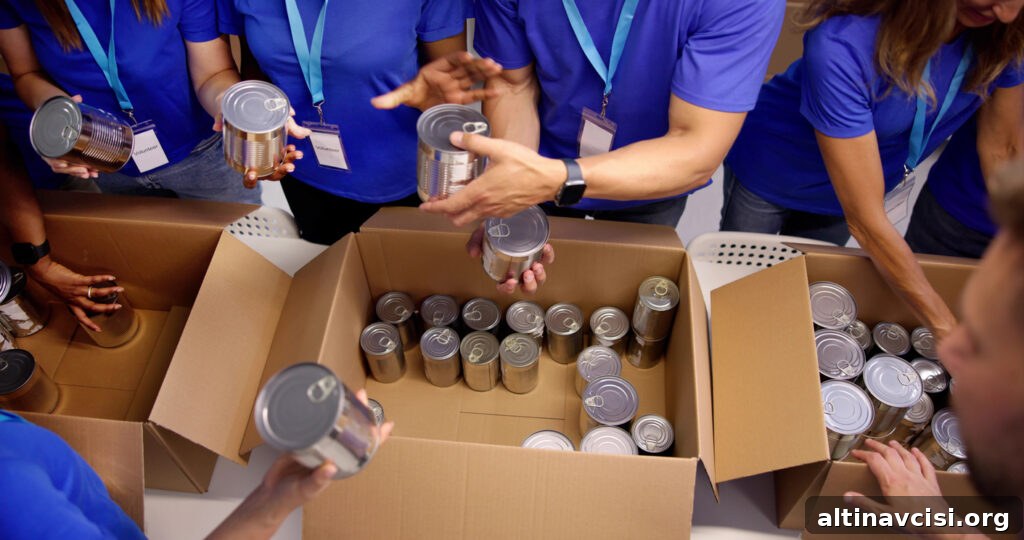
Across the United States a new face of food insecurity is emerging: an increasing number of working families who, despite holding steady jobs, are turning to food banks to cover basic grocery needs.
That growing reliance reflects the lasting impact of a roughly 23% rise in overall living costs over the past five years, with grocery prices alone climbing nearly 28% during the same period. For many households, wage gains have not kept pace with these increases, eroding purchasing power and forcing difficult trade-offs.
Food banks and pantries nationwide report record demand. Some community providers have seen dramatic jumps in use: centers that once distributed tens of thousands of meals monthly are now serving far more. For example, the Flagstaff Family Food Center reports monthly demand rising from about 28,000 meals to over 40,000, stretching resources and volunteer networks.
The roots of the current strain are complex. Pandemic-era fiscal measures, including roughly $5 trillion in stimulus spending, helped stabilize the economy and support millions of households. Those actions also coincided with a period of higher inflation, which has had lingering effects on prices for essentials. As policymakers work to bring inflation under control, the Federal Reserve faces the difficult task of balancing measures that slow price growth with steps that support employment and economic activity. These policy choices have real consequences for households already coping with elevated living costs.
Importantly, this challenge is not confined to traditionally low-income groups. Organizations report growing need among middle-income households as well, including some families in brackets that historically weren’t regular food bank users. In several communities, families reporting annual incomes in the $100,000–$150,000 range have sought assistance, underscoring how sustained price increases can erode financial stability across a wide swath of the population.
The broad reach of rising costs shaped the political conversation during the 2024 presidential election and continues to influence debates about economic policy, social supports, and community resilience. Community organizations, faith groups, and volunteers remain essential in meeting immediate needs, but advocates stress the importance of long-term solutions that address income growth, affordable housing, childcare, and healthcare—factors that affect overall household budgets and the ability to buy food reliably.
At the local level, food banks are adapting by expanding partnerships with grocery stores, increasing fresh-food distribution where possible, and coordinating with social service agencies to connect families with benefit programs. Still, many organizations warn that sustained demand will require greater resource commitments from both public and private sectors to ensure equitable access to nutritious food for working families and others facing hardship.
Recognizing food insecurity among the employed calls for a shift in how communities measure and respond to need—acknowledging that employment alone no longer guarantees protection from hunger. Addressing the issue will require coordinated policy responses, community investment, and continued attention to inflation’s impact on everyday essentials.