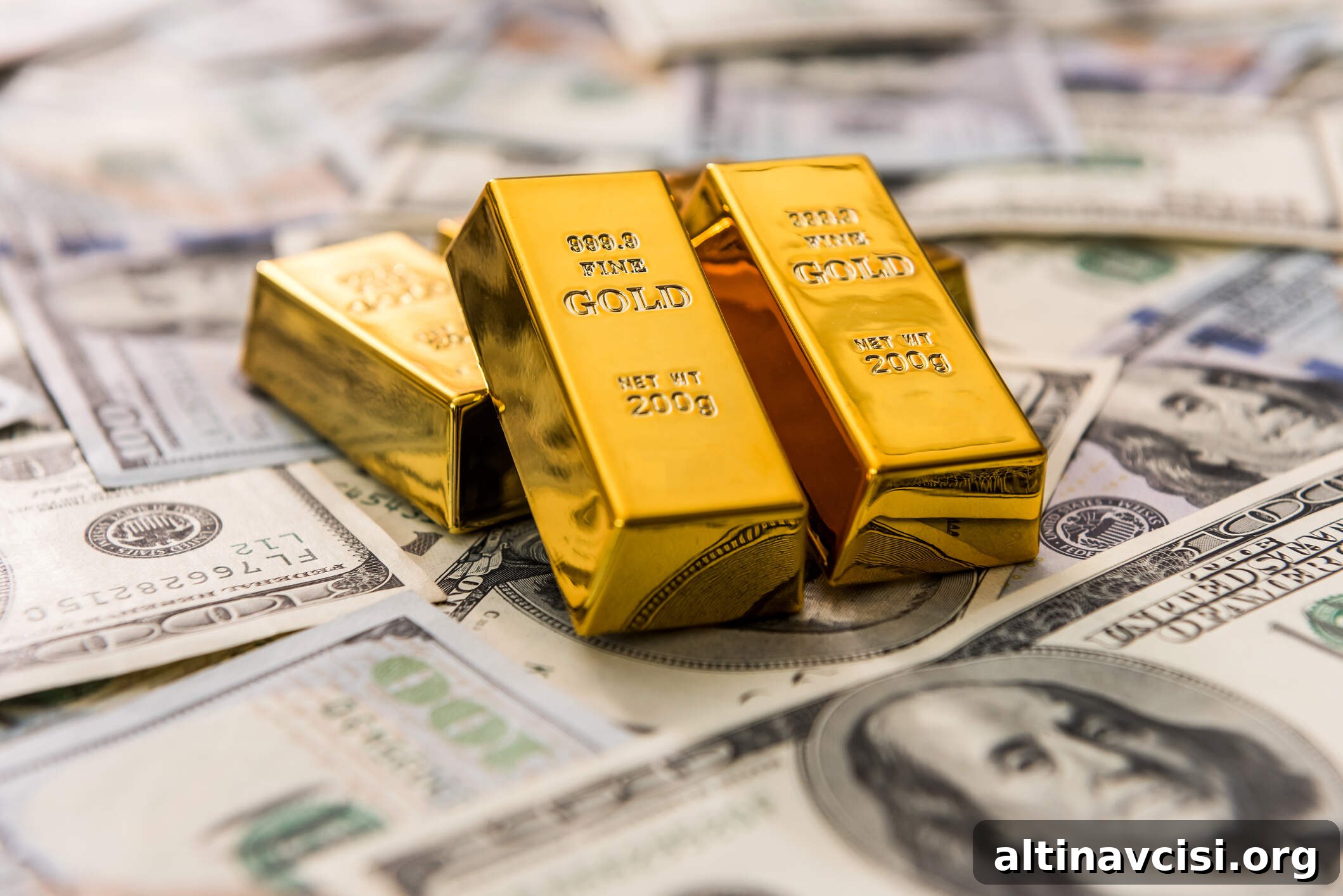
Gold prices rose after President Trump sought to remove Federal Reserve Governor Lisa Cook, a move that raised concerns about the Fed’s independence and prompted market reaction.
The precious metal climbed as much as 0.6% to approach $3,376 per ounce, aided by a softer U.S. dollar. Cook declined to resign, saying the president does not have the authority to dismiss her, and her stance underscored legal and institutional questions about the attempt.
Traders interpreted the episode as part of broader political pressure on the Federal Reserve to pursue lower interest rates. Expectations of easier monetary policy tend to support gold by reducing real yields, which can make non-yielding assets like bullion more attractive.
Market participants also noted that uncertainty about the central bank’s autonomy can drive safe-haven demand. In this case, worries about potential interference in the Fed’s decision-making process contributed to short-term strength in gold, alongside currency movements and ongoing macroeconomic considerations.
Analysts cautioned that moves in gold prices reflect multiple factors beyond a single political development, including inflation expectations, growth data and geopolitical events. Still, efforts to influence monetary policy—whether explicit or perceived—regularly affect interest rate outlooks and, by extension, precious metals.
Investors watching the situation will likely focus on any follow-up actions, legal arguments and comments from other Fed officials that could clarify the institution’s response. Until there is more definitive direction, bullion may remain sensitive to both political headlines and shifts in real interest rates.