PPI Spike Raises Fed Rate-Hike Odds, Weakens Gold and Silver
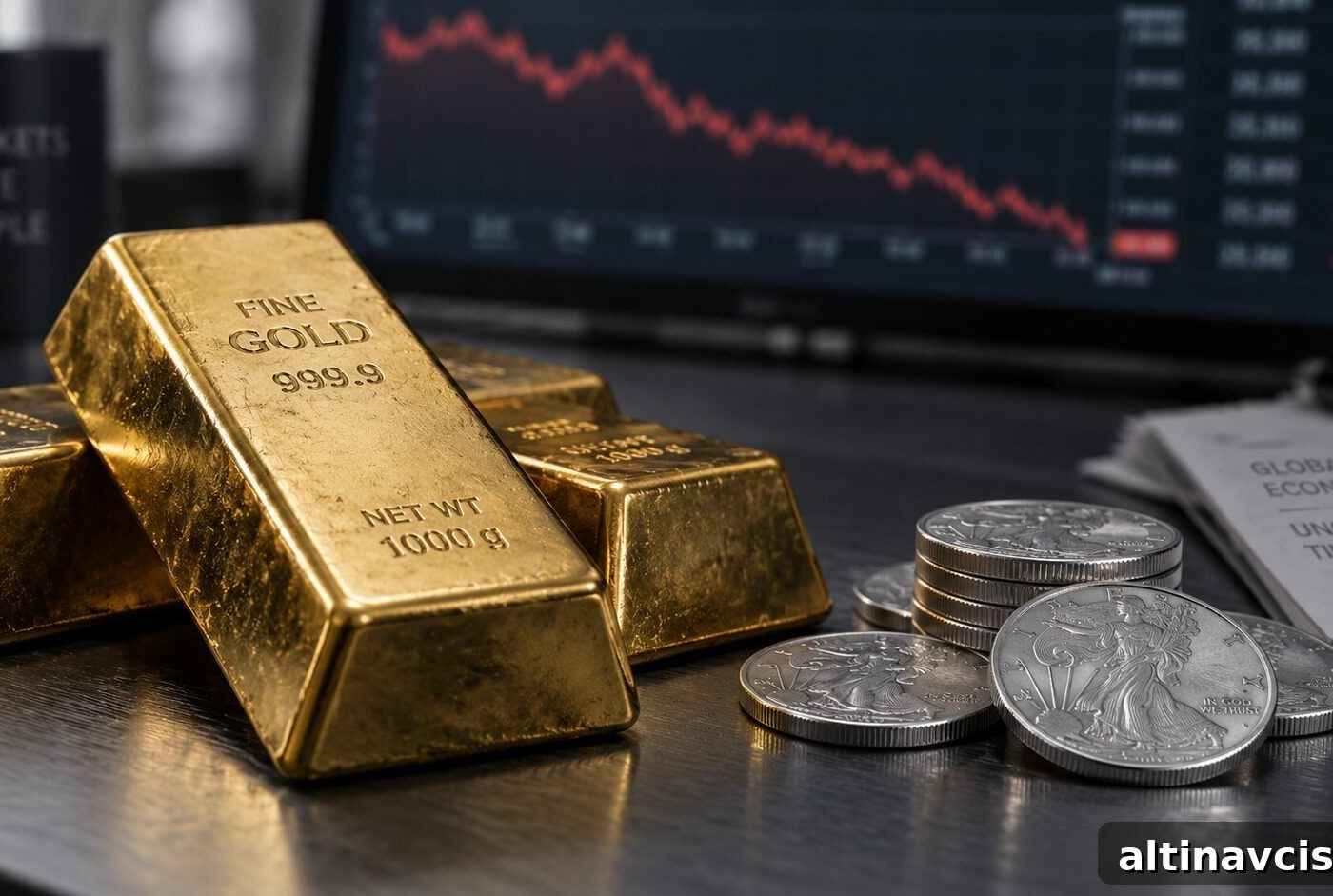
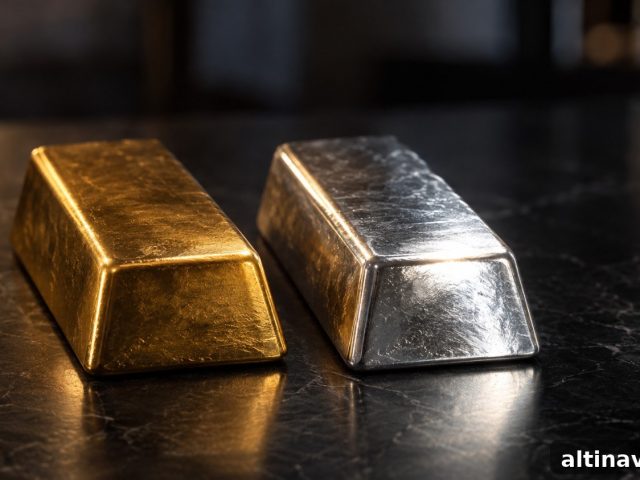
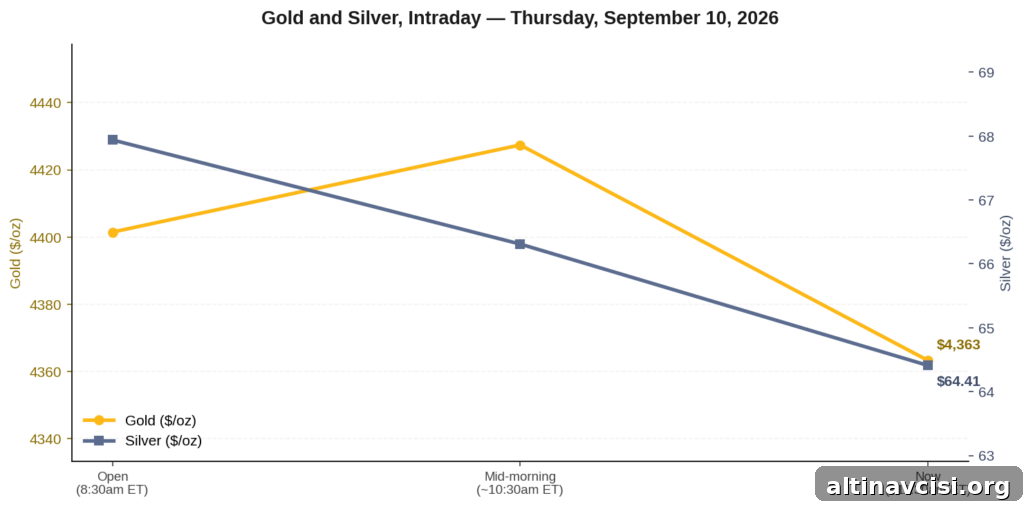
Last verified: September 10, 2026. Gold and silver both sold off Thursday morning. Silver fell roughly 3–4% on the session, while gold dropped closer to 1%. That prompts a familiar question: if inflation is high, why did these two metals—commonly called inflation hedges—move lower?
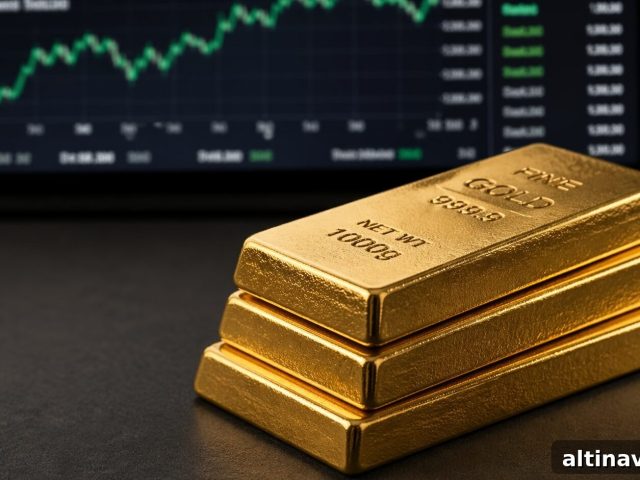
The short answer is about expectations and rates. On Thursday the U.S. Bureau of Labor Statistics reported that the Producer Price Index (PPI) rose 0.4% in August, in line with forecasts, but the annual rate accelerated to 5.4% — the highest reading so far this year and slightly above economists’ estimates. Markets reacted by repricing the Federal Reserve’s odds for a September 16 rate hike. Traders now put roughly a 60% probability on a rate increase, reversing the earlier assumption that the Fed was done tightening. As a result, gold slipped toward $4,370 an ounce, down around 0.7–0.9% on the day, and silver fell below $65 after opening near $67.94, its strongest open of the week before reversing.
So Why Did Gold and Silver Fall on an Inflation Report?
Here’s the mechanism in plain terms. Gold and silver do not pay interest or dividends. When markets expect the Fed to raise rates, yields across bonds and savings instruments typically rise. Higher expected yields increase the opportunity cost of holding non-yielding assets like gold and silver. In other words, if cash or bonds are expected to pay more, locking capital into a metal that gives no income looks less attractive.
That creates the apparent paradox: inflation often supports precious metals because it erodes fiat purchasing power, but a Fed response to inflation — higher interest rates — can weigh on metals by lifting real yields (interest rates minus inflation). On Thursday, the rates channel outweighed the inflation channel, prompting the decline in prices despite hotter-than-expected PPI data.

The Edge Every Investor Needs
Smarter precious metals investing starts here. The Nuggets Newsletter brings essential market insights, Fed updates, global trends, educational videos, and more.
Is an Oil Shock Doing the Fed’s Work for It?
The headline PPI number masks an important detail: most of August’s rise in producer prices came from energy. The BLS noted that energy accounted for more than three-quarters of the monthly increase in goods prices. Energy jumped 4.2% for the month, and diesel alone surged over 24%. By contrast, core PPI, which excludes food and energy, rose only 0.2%, a bit below expectations. That suggests the move was narrow and energy-driven rather than a broad, demand-led surge.
That distinction matters for policy. Brent crude moved above $100 per barrel this week amid heightened U.S.–Iran tensions and reports of strikes near key shipping lanes. When inflation readings reflect a geopolitical oil shock rather than sustained domestic overheating, the policy response and its implications for growth and real yields differ. A Fed forced to tighten because of an external supply shock faces different trade-offs than one tightening to cool an overheating economy.
Short-term market mechanics also play a role. As Morgan Stanley and other analysts have observed, gold does not always act as an immediate safe haven in every geopolitical flare-up. In rapid, volatility-driven selloffs, investors often liquidate the most liquid assets to meet margin calls or short-term cash needs — and that can include gold and silver. Those are liquidity dynamics, not proof the metals no longer hedge inflation or geopolitical risk over the medium term.
The next key data point is Friday’s Consumer Price Index (CPI). If CPI confirms that inflation is persistent rather than a one-month energy blip, the debate shifts to whether the Fed can keep real yields elevated for an extended period — a question about central bank credibility and its ability to influence longer-term inflation expectations.
Has the Long-Term Case for Gold and Silver Changed?
No single day’s price action alters the structural rationale for holding precious metals. Broad forces — such as expanding money supplies to service government debt and the erosion of purchasing power over time — remain in place. Cash yields continue to lag inflation, and that mismatch is central to the long-term argument for tangible assets. A one-session repricing of Fed odds changes near-term prices, but it does not erase the macroeconomic arithmetic that underpins the long-term case for gold and silver.
Institutional and official-sector behavior also demonstrates longer-term conviction. Earlier in the year some banks trimmed near-term targets after prices fell, and central bank purchases remained substantial even when prices were lower. Those patterns suggest many large buyers look through short-term volatility and focus on strategic accumulation.
What Should Gold and Silver Holders Watch Next?
Watch the next data points and — crucially — the mechanism driving market moves. Friday’s CPI is the immediate binary catalyst ahead of the Fed meeting. A softer-than-expected CPI could quickly reverse the market’s hike odds and relieve downward pressure on precious metals. A stronger reading would likely cement higher odds of a rate increase and keep upward pressure on real yields.
Beyond headlines, focus on real yields and central bank communication. The PPI this week was “hot” on headline measures and “cool” on core measures; which metric matters depends on how policy makers react. For precious metals holders, understanding whether inflation is broad-based and persistent — and whether the Fed convinces markets real yields will stay elevated — will be key to assessing the outlook.
Stay On Top of Gold & Silver Prices
Get important market alerts sent straight to your inbox.
SOURCES
1. U.S. Bureau of Labor Statistics — Producer Price Index News Release (Sept 10, 2026)
2. CNBC — Wholesale Prices Rose 0.4% in August, as Expected (Sept 10, 2026)
3. TheStreet — Market and oil-related coverage (Sept 10, 2026)
4. FXStreet — Gold pressure ahead of PPI (Sept 10, 2026)
5. Trading Economics — Gold price data (Sept 10, 2026)
6. Yahoo Finance — Silver price coverage (Sept 10, 2026)
7. Babypips — PPI coverage (Sept 10, 2026)
8. Modern Distribution Management — Producer price analysis (Sept 10, 2026)
9. Morgan Stanley Insights — Gold and geopolitical tests (March 1, 2026)
Disclaimer: This article is for informational purposes only and does not constitute investment advice. Past performance is not indicative of future results. Always consult a qualified financial advisor before making investment decisions.
You May Also Like:
- Five Signals Pointing the Same Way Into Next Week’s Fed Decision
- Silver Just Fell Three Times Harder Than Gold. Here’s the PPI Story Behind It.
- Gold’s Tiny Output Is Worth Twice Aluminum’s. Here Are Four More Signals Like It.
- Fed Hike Odds Went From 54% to 26% to 58%. Now It’s a Coin Flip.
- Gold ETFs Just Pulled In $2 Billion. Silver Investors Pulled Out.
- Gold/Silver Ratio September 2026: What a 12-Week Round Trip Is Telling Holders
- Gold Is Falling Today. Four Other Signals Say the Hard-Assets Trade Isn’t.
Popular Topics
Picked from the archive
-
01
 Topics
Gold Price Falls to $4,681 as Iran Ceasefire Ends Today
-
02
Topics
Why Ray Dalio Recommends 5-15% of Your Portfolio in Gold
-
03
Topics
Silver Surges by a Third Over Gold Ahead of Fed Vote
-
04
Topics
Five Gold Signals This Week Unrelated to Today’s Gold Price
-
05
Topics
Silver Coins vs Bars: Which Investment Suits You?
-
06
Topics
How Oil, PMI, and Newmont Are Driving Gold Prices
-
07
Topics
Robert Kiyosaki Gold Prediction: Buy the Dip or Wait?
-
08
Topics
Gold Remonetization: 6 Forces Reviving Gold as Money