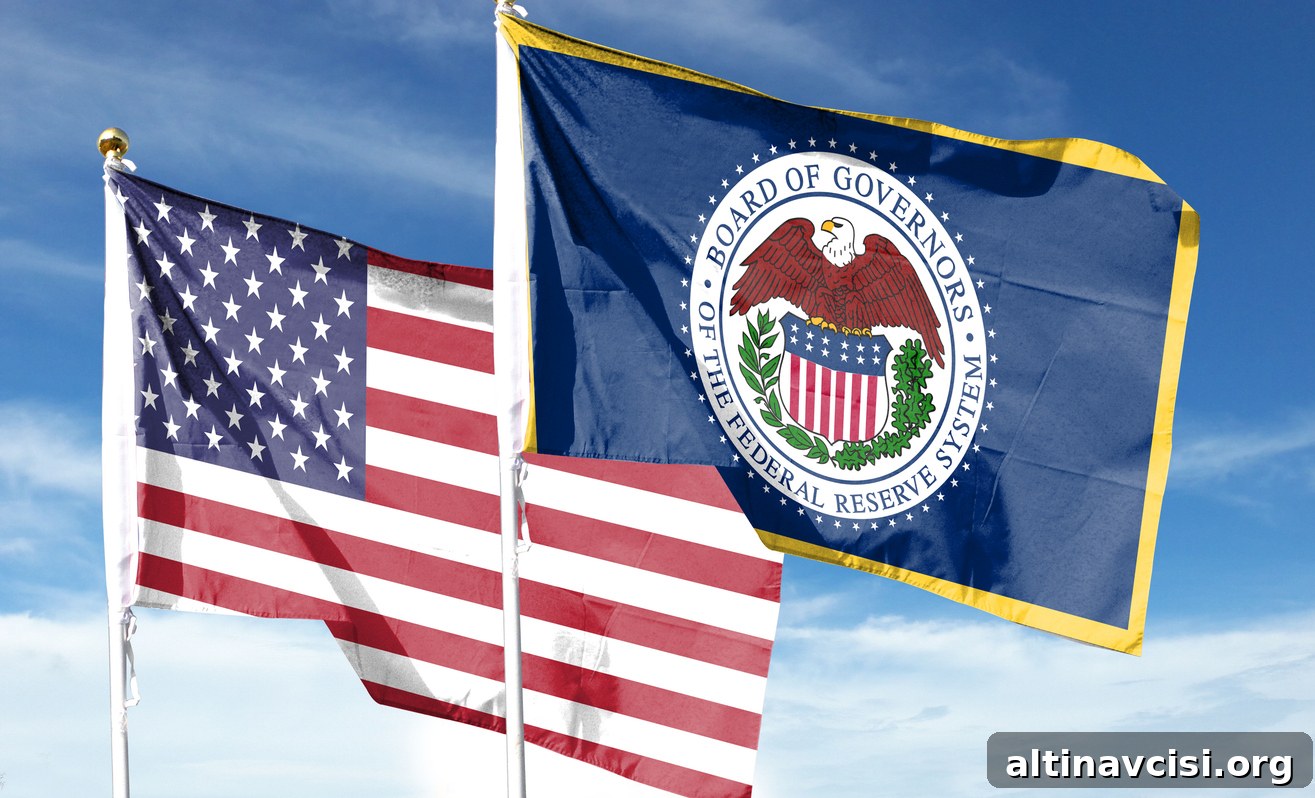
Federal Reserve Chair Jerome Powell suggested at the Jackson Hole symposium that a reduction in interest rates could be possible as soon as September, saying the economic outlook “may warrant” a change in policy direction.
Powell noted that inflation risks remain “tilted to the upside,” partly because of ongoing tariff-related pressures, but he also highlighted concerns about the labor market. He described the current employment picture as unusually balanced and warned that risks to jobs and wage growth are on the rise.
Financial markets responded strongly to Powell’s comments. Stock indexes climbed, and contracts traded on the CME showed the probability of a September rate cut surged to above 90%. The Fed is currently keeping its benchmark federal funds rate in a target range of 4.25%–4.50%.
Recent labor market data have added urgency to discussions among Fed officials about whether to ease policy. Over the past three months, the economy has averaged only about 35,000 payroll gains per month—well below levels seen earlier in the recovery—which has deepened debate about the timing and scope of any rate reductions.
Powell’s remarks at Jackson Hole reflect the Fed’s dual mandate trade-offs: maintaining price stability while supporting maximum employment. With inflation still elevated and labor metrics cooling, policymakers face a delicate balancing act. A September cut would mark a shift toward easing that aims to cushion a softer jobs market while monitoring whether inflationary pressures persist.
Investors and analysts will be watching upcoming economic indicators, including inflation readings and payroll reports, for confirmation that the Fed can move toward easing without reigniting price pressures. Market pricing now expects policy adjustment soon, but officials have stressed that decisions will depend on incoming data and the committee’s assessment of risks to the outlook.