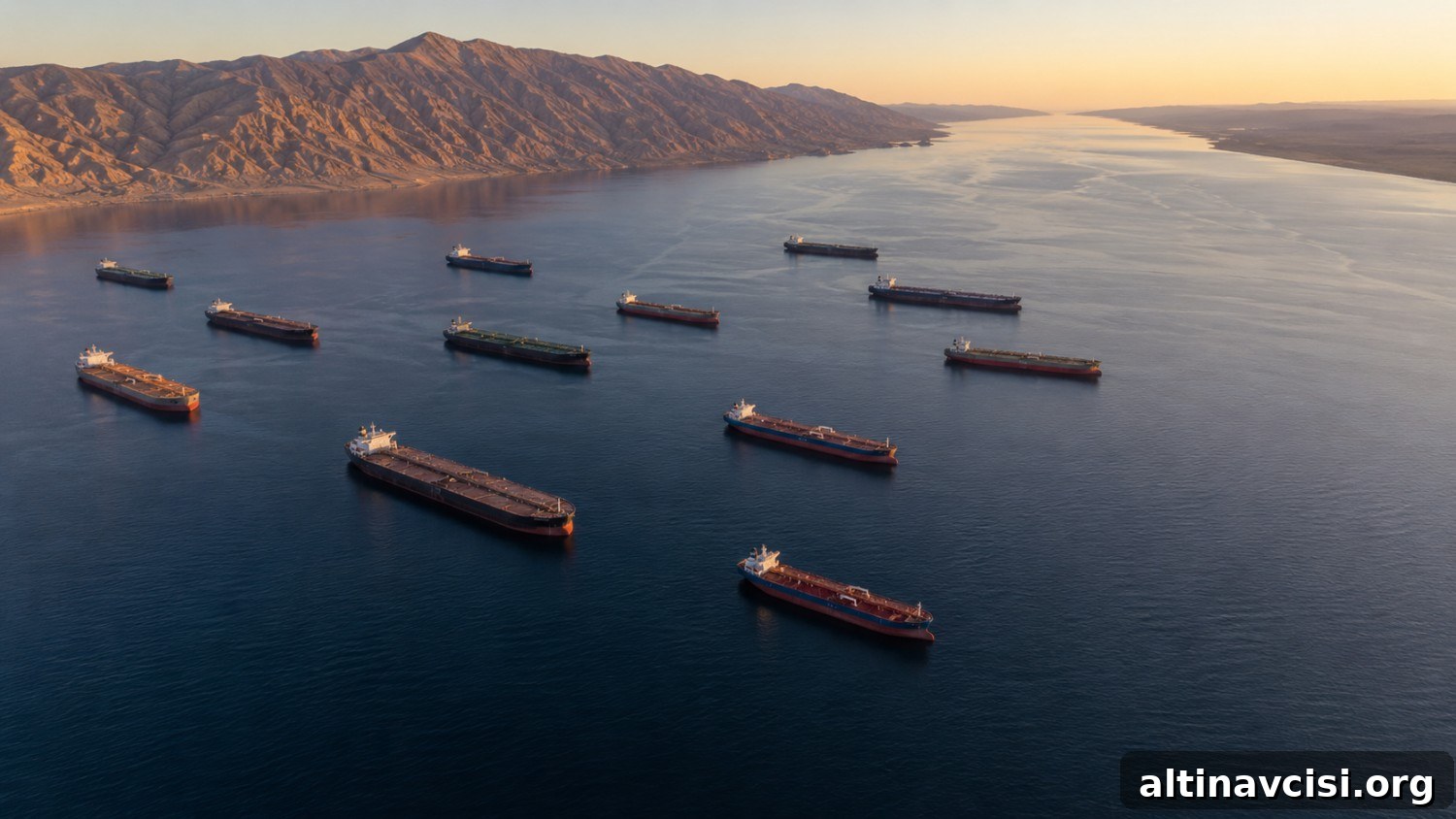
Shipping through the Strait of Hormuz dropped to virtually nothing over the weekend. Ship-tracking data cited in media reports indicated that no cargo-carrying vessels transited the strait on Sunday, August 16, following a decline from five transits on Saturday and 31 transits the prior weekend. The Islamabad Memorandum of Understanding between the United States and Iran, signed on June 17, 2026, included a 60-day clause in which Iran committed to guarantee safe commercial passage; that 60-day window expired this weekend. Iran’s foreign ministry has disputed the claim that the memorandum contained an enforceable deadline, but whatever the legal interpretation, no new, binding arrangement to secure shipping has been made public.
Markets reacted quickly. Brent crude rose to as high as $89.40 per barrel on Monday morning. Precious metals, however, showed a different dynamic: gold was trading roughly flat, near $4,378 per ounce as of Monday morning, a tiny daily gain, while silver was trading close to $65.15 per ounce. The muted response in gold despite a sharp disruption to a major oil shipping route is one of the most important takeaways from these events.
Why Is Gold Holding While Oil Surges on Hormuz News?
At first glance, a near-total shutdown of tanker transits through Hormuz should push gold sharply higher: oil rises, inflation expectations follow, and investors flock to monetary metals. That simple chain—oil to inflation to rate expectations to real yields to gold—helps explain past moves, but it no longer maps cleanly to current market behavior.
Higher oil prices typically raise inflation expectations, which would normally increase the likelihood of tighter monetary policy. Expectations of higher policy rates lift real yields, and higher real yields make non-yielding assets like gold less attractive. That mechanism helped explain gold’s earlier weakness even as geopolitical risk increased: oil-driven inflation concerns kept rate-hike expectations in focus, and that pressure pushed real yields to levels that weighed on gold.
That transmission is now breaking. After the Federal Reserve left its policy rate unchanged at the July meeting, financial markets trimmed the odds of an immediate rate increase. Forward pricing currently suggests a notably smaller probability of a September hike than it did in late July. Recent economic data have softened: retail sales fell in July, consumer sentiment has dropped, and the July Consumer Price Index showed only a small monthly increase. Those data points have reduced the market’s conviction that the Fed will need to tighten right away.
What this means for gold is straightforward: the ceiling created by strong rate-hike expectations has eased. With the prospect of higher real yields fading, gold is less pressured by the interest-rate channel, which helps explain why gold is holding near current levels even as oil spikes on Hormuz-related disruptions.
What Does the Hormuz Shutdown Mean for Gold Going Forward?
The structural picture for gold is nuanced but constructive. The Strait of Hormuz carries a substantial share of global oil volumes—roughly one-fifth of global consumption and about one-quarter of seaborne oil trade. If tanker traffic remains severely limited, energy prices could stay elevated for an extended period, sustaining inflationary pressure.
That situation puts the central bank in a difficult position. Raising policy rates in the face of a supply-driven energy shock increases the risk of tipping the economy into recession. At the same time, holding rates risks higher inflation. Either path supports a stronger case for physical gold: a rate hike into a supply shock boosts the case for real assets as growth expectations weaken, while a pause in tightening keeps real yields lower, supporting gold’s price floor.
Importantly, physical gold responds differently from paper gold. Exchange-traded and speculative flows are sensitive to rate expectations and short-term positioning. Physical demand reacts to broader monetary and fiscal stress and to the limits of what markets and systems can absorb. Institutional flows back into gold were already visible in July, when global gold ETFs recorded net inflows and overall holdings rose, indicating renewed interest from large investors even before the most recent Hormuz developments.
What Is the Diplomatic Status of the US-Iran Negotiations?
Diplomatically, the situation remains uncertain. Iranian officials have said they have not committed to resuming talks with the United States. Regional reports indicate additional incidents at sea, including attacks on commercial vessels transiting the strait. On the U.S. side, officials have cautioned that consumers should expect some upward pressure on gasoline prices while the disruption continues. Bilateral discussions between Iran and regional partners have been reported, but no definitive shipping-security arrangement has been announced.
Key calendar events could move markets in the near term: the minutes from the Fed’s July policy meeting are scheduled for release this week, and later this month the Fed chair will speak at Jackson Hole. Both will provide fresh information on the central bank’s view and its policy path, and each could act as a catalyst for gold.
What Does the Hormuz Situation Mean for Physical Gold Holders?
For holders of physical metal, the core investment case remains intact and may have strengthened. Two broad scenarios illustrate why:
Scenario one: diplomatic progress resumes and shipping restarts. In that case, oil prices would likely ease, inflation expectations would moderate, and the Fed would find it easier to hold rates. Lower real-yield pressure would give gold room to approach higher resistance levels over time.
Scenario two: the shipping disruption continues. Energy prices stay elevated, inflationary pressure persists, and the Fed faces a policy dilemma. Even if policy tightens, the economic slowdown that could follow and the elevated uncertainty would reinforce the appeal of hard assets like physical gold. In both outcomes, the structural case for owning physical gold remains robust.
The current price action—gold trading near $4,400 while the Strait of Hormuz is effectively closed and oil is near $90—suggests that gold’s structural floor is holding and that the path to higher levels is open as rate-hike expectations recede. Rather than signaling weakness, today’s price behavior points to a market positioned and waiting for the next clear catalyst.
The Edge Every Investor Needs
Smarter precious metals investing starts here. The Nuggets Newsletter offers market insights, Fed updates, global trends, and educational content to help you stay informed.
SOURCES
1. Kpler / Reuters — Strait of Hormuz vessel transit data, August 15–16, 2026.
2. Major financial and energy media reporting on oil and shipping trends, August 2026.
3. World Gold Council — Gold ETF flows and holdings, July 2026.
4. Public releases of U.S. Federal Reserve meeting minutes and related communications, July–August 2026.
5. Spot precious metals pricing reports, August 2026.
Disclaimer: This article is for informational purposes only and does not constitute investment advice. Past performance is not indicative of future results. Always consult a qualified financial advisor before making investment decisions.
You May Also Like:
- Gold Rebounds to $4,392 as Sentiment Falls and Inflation Expectations Rise
- How Recent Data Rewrote the Odds for the September Fed Decision
- What FOMC Minutes and Jackson Hole Could Mean for Gold
- Why Physical Gold Remains a Strategic Hedge in an Uncertain Energy Environment