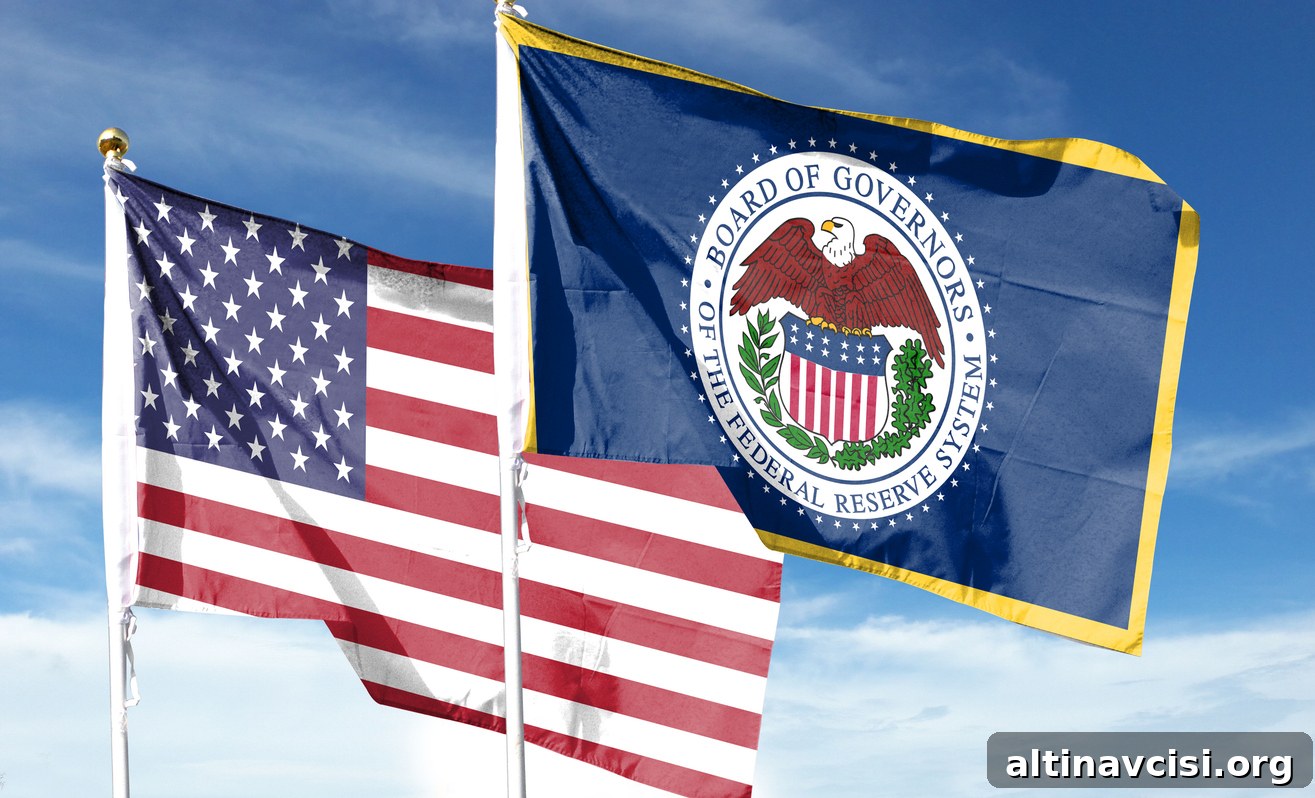
Former Congressman Ron Paul’s long-standing push for greater Federal Reserve transparency has taken on new momentum after gaining an unlikely ally: Elon Musk, who now leads the Department of Government Efficiency Service (DOGE).
Paul has consistently called for a comprehensive audit that would go well beyond routine financial reviews. His proposal seeks to expose how Fed decisions are made, the nature of its overseas transactions, and the practical steps used to implement monetary policy. The goal is to provide clarity about the institution’s inner workings, not just annual balance sheets.
Federal Reserve Chair Jerome Powell and other officials counter that the Fed already offers meaningful transparency through existing audits, public statements, and the scheduled release of meeting minutes. They argue that those disclosures, together with careful stewardship of monetary policy, preserve both confidence and independence.
Paul, now 89, rejects the notion that full transparency would threaten the Fed’s independence. He contends that claims about protecting independence often function as a rationale for secrecy, preventing the public and lawmakers from seeing how policy choices are made and implemented. To Paul, access to real-time policy discussions and a clearer accounting of international operations are essential for democratic oversight.
The renewed attention to Fed transparency highlights a broader debate about accountability in central banking: how to balance the need for confidential policy deliberations with the public’s right to understand decisions that affect the economy. Proponents of a wider audit argue that it would strengthen trust by revealing whether the Fed’s actions align with its stated goals, while opponents worry that too much disclosure could politicize monetary policy or undermine the frank internal debate among policymakers.
Whether Congress will move to adopt the kind of audit Paul envisions remains uncertain. The conversation, however, has been amplified by high-profile supporters and a growing public interest in how major financial institutions operate behind closed doors. As the debate continues, the central question will be how to design transparency measures that shed light on the Fed’s activities without impairing its ability to respond effectively to economic crises.