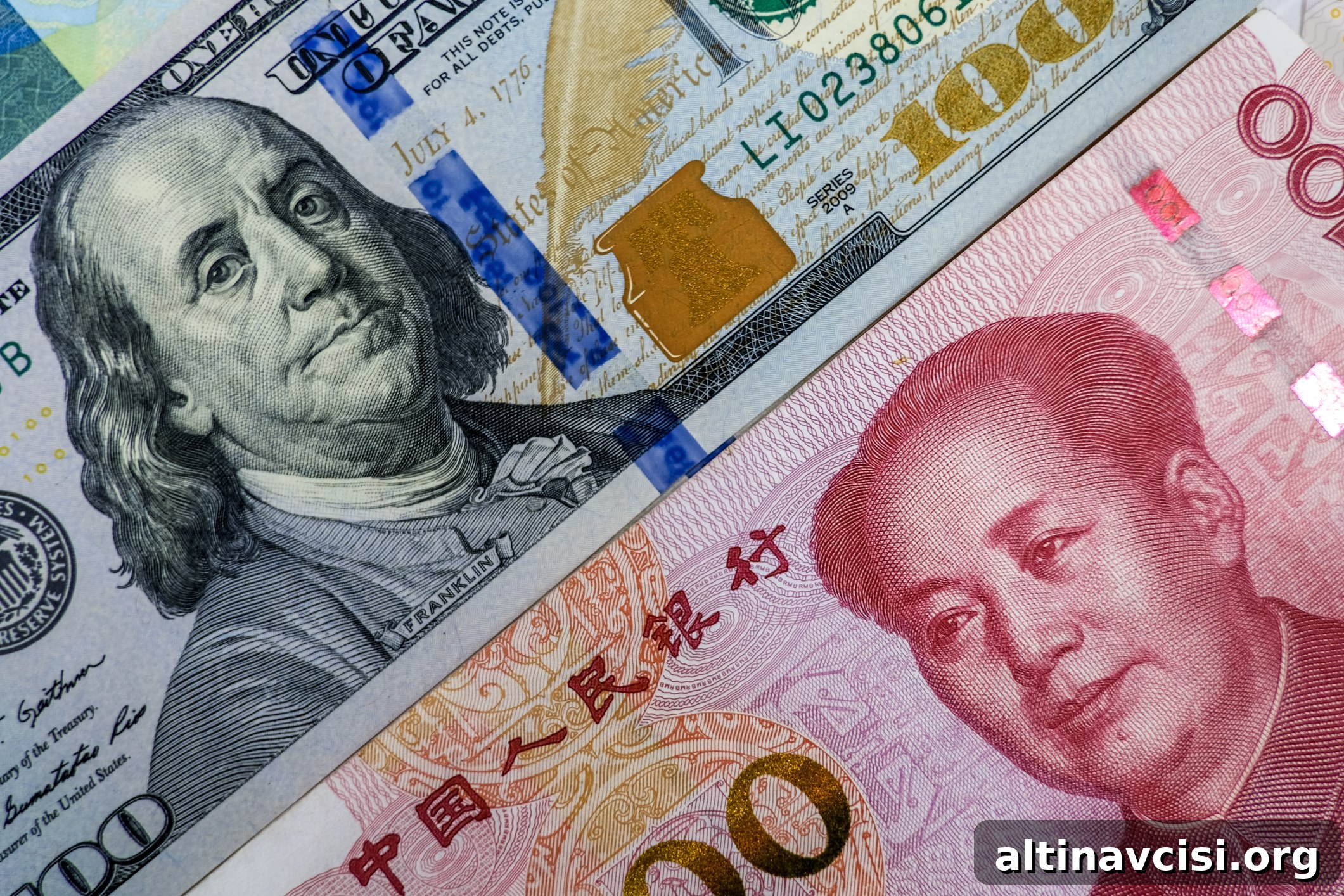
Trade representatives from the United States and China met in London on Monday afternoon for high-stakes talks focused on export controls. U.S. officials indicated they might ease certain technology export restrictions if China agrees to relax limits on rare earth minerals, which are essential for electronics, renewable energy technologies, and defense systems.
Kevin Hassett, director of the White House National Economic Council, told CNBC that some export controls could be loosened following productive negotiations. He identified semiconductors as a likely area for partial relaxation, while stressing that the most advanced AI chips from Nvidia would remain off-limits for now. The talks in London are expected to continue into Tuesday as both sides work through technical and security details.
These discussions build on earlier diplomatic progress, including a Geneva meeting where officials from both countries agreed to a temporary reduction in tariffs for 90 days to create space for broader negotiations aimed at addressing trade imbalances. A recent phone conversation between Presidents Donald Trump and Xi Jinping reportedly helped revive momentum and provided political cover for negotiators to pursue pragmatic compromises.
Experts say any agreement would need to balance economic and national security priorities. For the United States, restricting the most advanced chips supports concerns about the transfer of cutting-edge AI capabilities. For China, access to reliable supplies of rare earth elements is a strategic imperative because those materials are vital for manufacturing advanced electronic components, batteries, wind turbines, and military hardware.
If the two sides reach a tentative deal, implementation will likely involve detailed technical lists, verification mechanisms, and phased timelines. Negotiators are expected to specify which semiconductor categories could see eased controls and to define the types and quantities of rare earth exports China would permit. Both sides will also need to establish safeguards to prevent diverted or unauthorized use of sensitive technologies.
Market observers and industry groups are watching closely. Relaxed controls on certain chip exports could ease short-term supply constraints for Chinese manufacturers and help global tech supply chains, while greater access to rare earths could stabilize prices and reduce production bottlenecks for renewable energy and electronics sectors. However, any change will be scrutinized by lawmakers and regulatory agencies concerned about maintaining technological advantages and protecting defense-related capabilities.
Analysts caution that even with political agreement, practical hurdles remain. Translating high-level commitments into enforceable policy requires cooperation between multiple government agencies, export licensing processes, and ongoing monitoring. Negotiators must also guard against unintended consequences, such as encouraging rapid proliferation of dual-use technologies.
For now, both capitals appear motivated to find common ground. Economic pressures, supply chain vulnerabilities, and geopolitical considerations create incentives for pragmatic compromises that can reduce tensions without compromising core security interests. The outcome of the London talks—and any follow-up sessions—will be closely watched by governments, businesses, and investors worldwide.