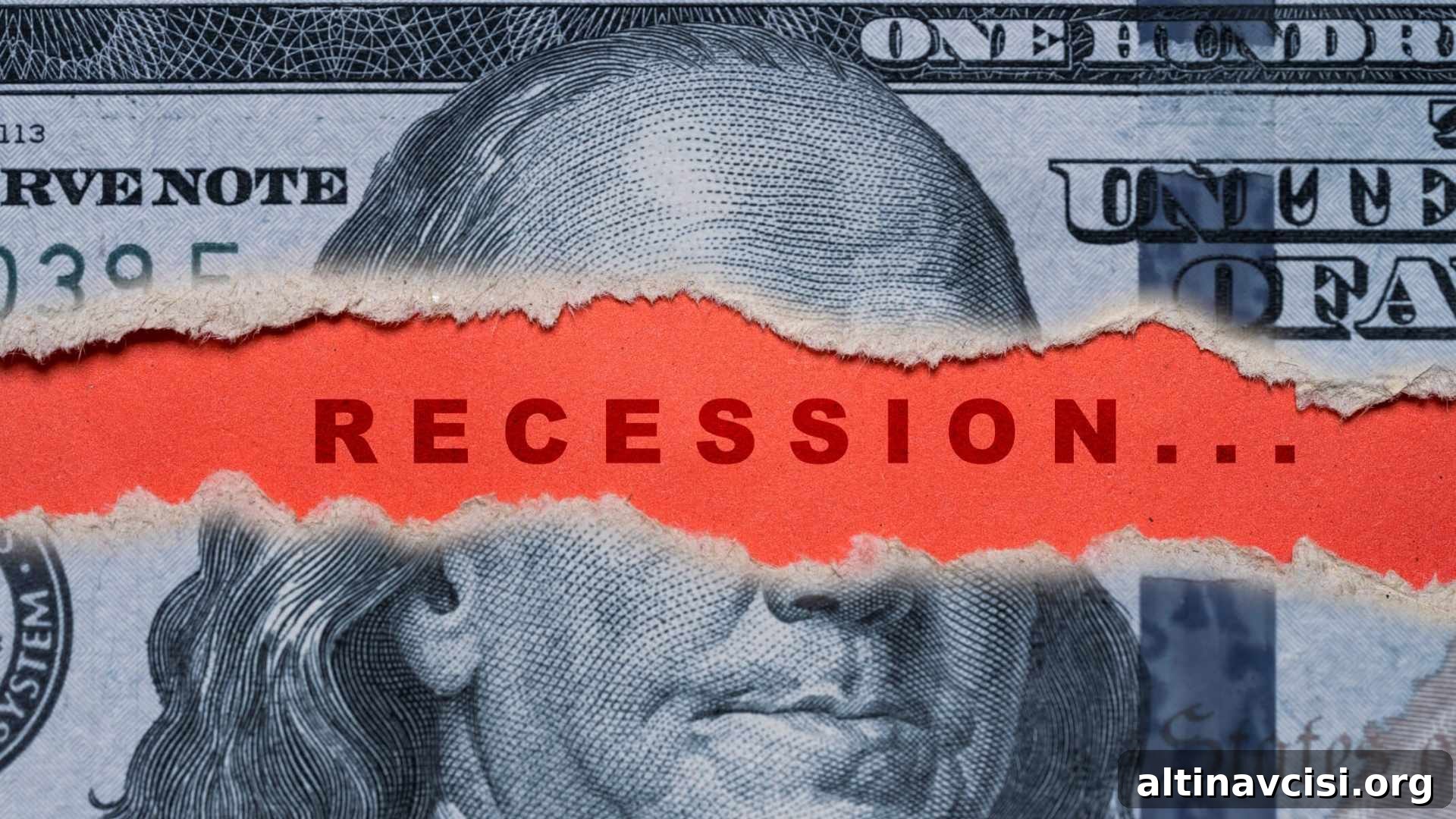
Economist Mark Zandi warns that the U.S. economy may be close to slipping into a recession. Recent data revealed a notable slowdown in job growth alongside a modest uptick in inflation—developments that limit the Federal Reserve’s options for stabilizing the economy.
Zandi highlights several indicators that suggest growing economic strain: consumer spending has flattened, construction and manufacturing activity have declined, and average hours worked have fallen. These trends point to weaker demand and softer labor market conditions than headline employment figures alone might indicate.
He also cites policy factors that are putting additional pressure on businesses and households. Higher tariffs have increased costs for many firms, squeezing profit margins and pushing up prices for consumers. At the same time, tighter immigration rules have reduced the available labor supply in sectors that depend on immigrant workers, contributing to disruptions and higher operating expenses.
Taken together, these elements create a more fragile economic picture. Slower spending reduces corporate revenue, while rising costs from tariffs and labor constraints compress profits. Weaker profits can lead firms to delay hiring or investment, which in turn dampens demand and growth. Meanwhile, an uptick in inflation complicates the Fed’s response: raising interest rates to quell inflation risks deepening a slowdown, while pausing or cutting rates could allow inflation to become more persistent.
Zandi’s assessment emphasizes that headline employment gains may mask underlying weakness. Measures such as hours worked, labor force participation, and sector-specific activity can reveal stress that a simple jobs total does not capture. For policymakers and businesses, monitoring these broader indicators is essential to understanding where the economy is headed and how quickly conditions could deteriorate.
While no single data point determines the path ahead, the combination of cooling consumer demand, contracting industrial activity, and policy-driven cost pressures increases the odds of a downturn unless offset by stronger spending, easing cost pressures, or a shift in monetary policy. Observers will be watching upcoming reports on retail sales, durable goods orders, and payrolls for clearer signs of whether the U.S. economy will stabilize or slide further into recessionary territory.