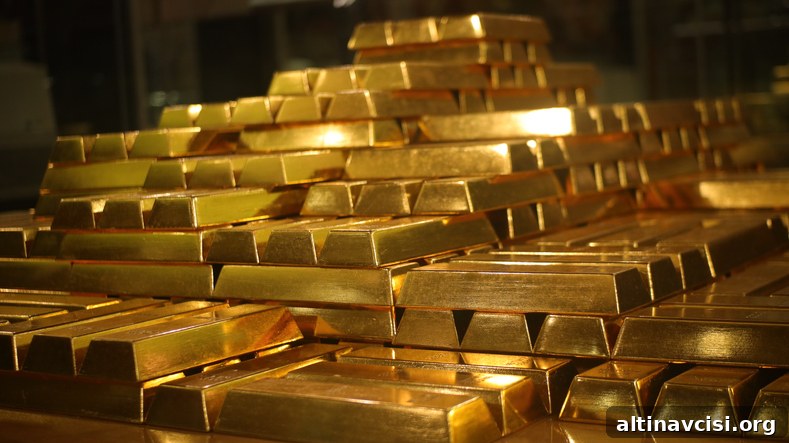
The Korea Gold Exchange experienced a major system failure on February 6 when trading activity surged to unprecedented levels.
Driven by rising geopolitical tensions and broader economic uncertainty, trading volume jumped to 108.83 billion won, breaking prior records and marking the first time volumes exceeded 100 billion won since the exchange opened in 2014. The unexpected spike overwhelmed trading systems and briefly disrupted normal operations, highlighting the strain that sudden surges can place on market infrastructure.
The record-setting day was the culmination of a steady upward trend. Trading activity rose from roughly 50 billion won in October to 71 billion won by early February, then accelerated to the February peak. That progression reflects a growing investor preference for precious metals as a defensive allocation during periods of global instability.
Market participants and observers pointed to a combination of factors fueling demand. Intensified geopolitical risks prompted investors to rebalance portfolios away from riskier assets, while concerns over inflation and currency volatility increased the appeal of gold as a store of value. Together, these dynamics contributed to sustained inflows and unusually high turnover on the exchange.
Exchange operators responded by implementing emergency measures to stabilize trading and investigate the system malfunction. Temporary limits and manual oversight were put in place to manage order flow while technical teams worked to restore full functionality. Regulators and the exchange have indicated they will review system capacity, risk controls and contingency procedures to reduce the likelihood of a repeat incident.
The disruption highlights broader questions about market resilience as volumes grow. Electronic trading platforms must balance speed and capacity with robust safeguards to handle surges. For institutions and retail investors alike, the episode served as a reminder of operational risks that can accompany volatile market conditions.
Analysts expect sustained interest in gold to continue while geopolitical and economic uncertainties persist. If trading volumes remain elevated, the exchange will likely face pressure to upgrade infrastructure, expand redundancy and improve real-time monitoring. These improvements could help ensure orderly markets even during extreme demand spikes.
For now, the February 6 outage stands as a notable event in the Korea Gold Exchange’s history—a clear signal that accelerating demand for safe-haven assets can challenge existing systems and prompt industry-wide reassessments of preparedness and capacity.