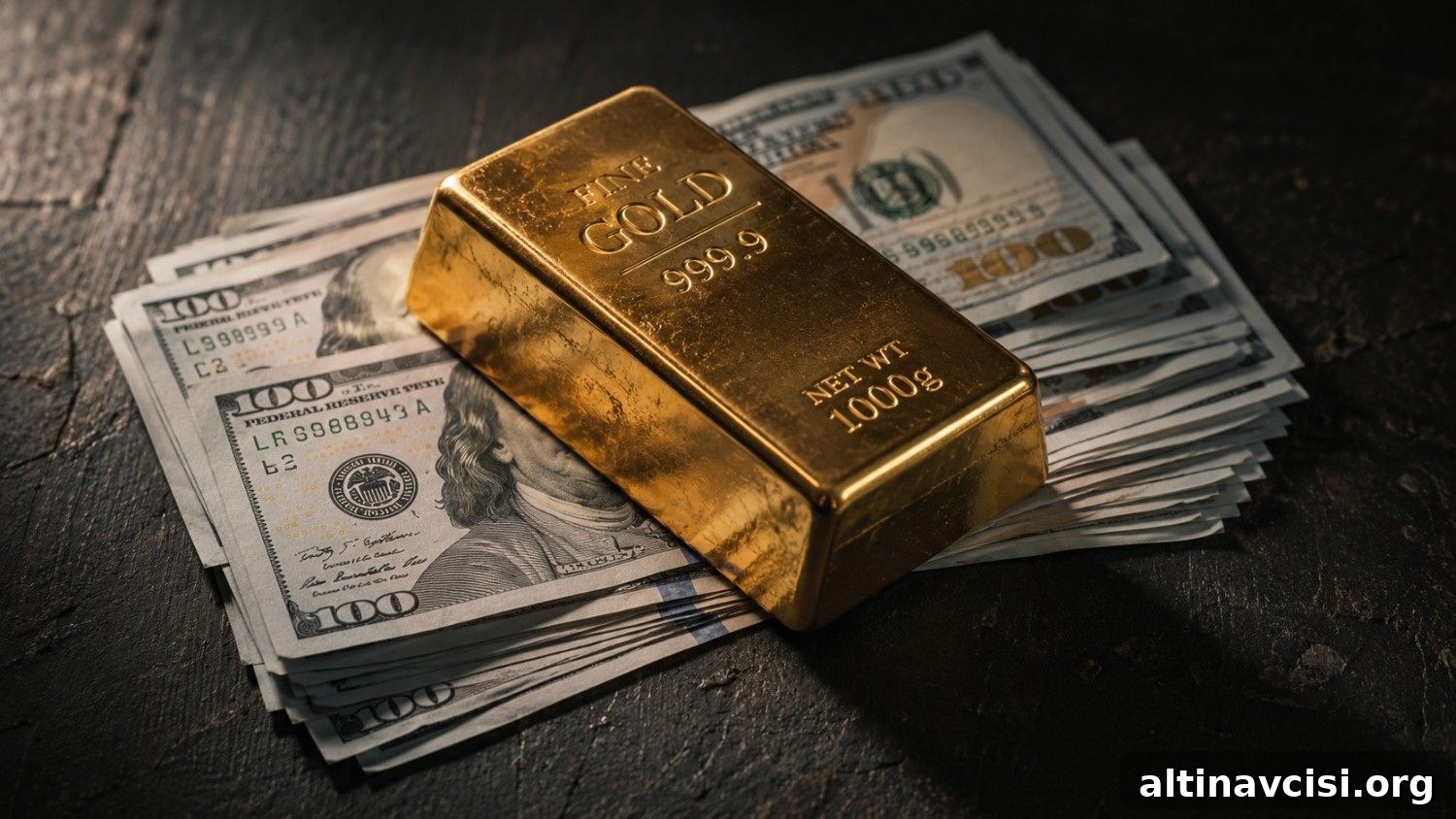
Gold is trading near $4,700 per ounce in May 2026. It reached an all-time high of $5,589.38 on January 28, and one of the world’s most respected fixed-income investors believes the rally still has room to run. Jeffrey Gundlach, CEO and CIO of DoubleLine Capital and widely known as the “New Bond King,” calls gold the top commodity he wants to own. He urges investors to reconsider portfolios made up entirely of paper assets. His argument rests on three long-term forces that show no sign of reversing: currency debasement, a vulnerable U.S. dollar, and sustained central bank accumulation. Below is his reasoning and practical guidance for investors.
Why Is the Bond King Watching Gold?
Jeffrey Gundlach founded DoubleLine Capital in 2009 and has developed one of the most closely followed macro outlooks in institutional finance. His emphasis on gold is not a reaction to short-term price moves; it reflects the conviction that the financial framework supporting traditional portfolios is under strain.
Gundlach describes gold as a “real asset class.” He argues demand now comes from mainstream investors allocating meaningful capital, not merely from survivalists or speculators. Gold’s recent performance — the top-performing asset over the prior 12 months — reinforces that view. For someone known for prescient bond calls, it is a noteworthy shift.
Gold has moved from the periphery to a strategic allocation in portfolios, given unsustainable U.S. debt dynamics, structurally challenged real interest rates, and central banks increasing their holdings.
Your Gold Buying Guide Most investors overpay when they buy gold and again when they sell. This guide explains what to own and why.
What Is Gundlach’s “Radical” Diversification Portfolio?
Gundlach advocates a deliberate departure from the traditional 60/40 stock-bond model, which he says was built for falling rates, manageable debt, and contained inflation — conditions that no longer prevail.
In January 2026 he outlined a framework of 30% non-U.S. stocks, 20% real assets, 30% high-quality bonds, and 20% cash. By March he refined the real-asset sleeve to 15% (10% gold, 5% a commodity basket). By May he again favored a 20% allocation to real assets. The specifics shifted, but the core idea remained: meaningful exposure to real assets, including gold, provides protection across different macro regimes.
Such a diversified portfolio aims to survive varied scenarios without perfect market timing. Inflation tends to favor commodities and gold; deflation benefits bonds and cash; and stagnation often drives investors toward safe-haven assets like gold. No single outcome devastates the entire mix.
Gundlach suggests capping equities at 40% and fixed income at 25%, warning that current market valuations are high and that concentrating solely in paper assets creates asymmetric downside risk.
What Are Gundlach’s Three Macro Triggers for Gold?
The U.S. Debt Trap
U.S. federal debt is growing on an unsustainable path and servicing that debt at prevailing rates strains the Treasury. When governments struggle to service obligations, monetization becomes a likely policy response. Historically, such currency debasement environments have favored gold. For Gundlach, the threat of debasement is an operating assumption, making gold a necessary hedge rather than a speculative play.
The U.S. Dollar Pivot
Gundlach sees the dollar weakening structurally as geopolitical shifts encourage de-dollarization. Because gold is priced in dollars, a weaker dollar is a direct tailwind for gold prices. With inflation remaining above target and the Fed balancing inflation control against slowing growth, long-term rates have not collapsed, reinforcing the view that the Fed has limited ability to restore dollar strength — another factor supportive of gold.
Central Bank Accumulation
Central bank purchases have been substantial and sustained. While 2025 purchases were below the extraordinary highs of 2022–2024, they remain far above the pre-2022 average. Many central banks plan to increase reserves further, and these decisions are multi-decade reserve-management strategies, not short-term trades. Persistent sovereign buying creates a structural support for gold prices.
When Should You Buy? Reading Gundlach’s Entry Signals
Gundlach offers specific entry signals beyond the macro thesis. Two are particularly useful.
The $3,500 threshold. He has said he would buy “with both hands” on any pullback toward $3,500. With gold trading near $4,700, that gap highlights how meaningful a drop would need to be to present an aggressive buying opportunity. Pullbacks should be seen as accumulation moments, not reasons to panic.
The Gundlach Ratio (Copper/Gold). Dividing the price of copper by gold provides a real-time read on economic confidence: copper typically rises with growth, while gold rises with fear. When the ratio falls amid sticky inflation, it signals slowing growth without falling prices — a historically favorable backdrop for gold.
Gold vs. Silver — Which One Does Gundlach Prefer?
Gold is Gundlach’s primary focus. He calls it the “true monetary asset,” a store of value with a long, government-independent track record. Gold is the foundation of his real-asset allocation.
Silver has both monetary and industrial uses, causing it to behave differently across cycles. It often lags during early stages of a metals rally and can accelerate later, offering higher upside with greater volatility. Gundlach treats silver as a complement to gold rather than a substitute.
How Should You Build a Gundlach-Inspired Portfolio?
Gundlach’s case for gold rests on multiple reinforcing factors: inflation above target, a weakening dollar, unsustainable federal debt, and persistent central bank buying. Together they create a long-term, compounding argument for real assets.
Institutional forecasts have raised long-term price targets and demand metrics have hit record levels. For investors, the practical takeaway is to consider a significant allocation to real assets — including gold — as insurance against structural risks that paper assets may not hedge effectively.
When a leading bond investor increases his real-asset allocation and names gold his preferred commodity, it merits attention. The key decision is timing: waiting until a crisis is obvious often means paying a much higher price to enter.
Stay On Top of Gold & Silver Prices
Get important market alerts sent straight to your inbox.
People Also Ask
Why does Jeffrey Gundlach call gold a “real asset”?
He distinguishes financial assets, which derive value from contracts and promises, from real assets like gold that hold intrinsic value independent of governments or institutions. In a world where currency debasement and rising debt are real risks, he sees gold as essential insurance against systemic financial stress.
Should I buy gold if it is already near all-time highs?
Gundlach would still buy if the fundamental drivers remain intact. He would buy aggressively on a pullback toward $3,500. History shows that once gold clears previous highs, those levels often act as new support over time.
What is the Gundlach Ratio and how does it work?
The Gundlach Ratio divides copper’s price by gold’s price. Copper tracks economic growth while gold tracks fear. The ratio has correlated with the 10-year Treasury yield and is used by institutional managers as a leading indicator of changes in rate expectations.
Is the traditional 60/40 portfolio still valid in 2026?
Gundlach argues the old model needs updating. He recommends lower equity and bond allocations, with a meaningful allocation to real assets and cash to protect purchasing power in a high-debt, above-target inflation environment.
How does central bank gold buying affect the gold price?
Sustained central bank purchases create a structural floor under demand. When sovereign entities consistently add to reserves, they reduce available supply for other buyers and signal confidence in gold as a reserve asset, supporting higher prices over time.
The Window Is Open — But It Won’t Stay That Way Forever
The convergence of trends Gundlach highlights is uncommon: a top bond investor increasing real-asset allocations, sustained central bank buying, record global demand, persistent inflation, and a weakening dollar. These are durable forces that don’t unwind quickly. Debt takes years to resolve, de-dollarization is a long-term process, and central banks rarely reverse multi-year reserve strategies after brief volatility. Together, they create a sustained tailwind for gold.
Pullbacks Are the Point
Bull markets never move in straight lines. Gold’s sharp pullback from the January 2026 high and its subsequent recovery illustrate this. Gundlach treats dips as opportunities to accumulate, not as reasons to step aside. Investors who wait for a perfect entry often miss significant portions of the move.
SOURCES
1. Fortune — ‘Bond King’ Jeffrey Gundlach says there’s no doubt ‘we’re in a mania,’ but gold is a ‘real asset class’
2. Advisor Perspectives — Bond King Reviews 2025, Offers Clues to 2026 in Webcast
3. DoubleLine — Gundlach Unlocked: Positioning for Inflation and a Weaker Dollar
4. 247 Wall St. — Jeffrey Gundlach’s Debt Restructure Trade: 2 Stocks and 2 ETFs Built for the Storm
5. Trading Economics — Gold Price
6. World Gold Council — Central Banks, Gold Demand Trends Full Year 2025
7. World Gold Council — Gold Demand Trends Full Year 2025
8. Investing.com — Gold Futures Price
9. CFA Institute Investor Blog — Is the Copper–Gold Ratio a Dependable Leading Indicator on Rates?
10. J.P. Morgan Global Research — Gold Price Forecast 2026 and Beyond
Disclaimer: This article is for informational and educational purposes only. It does not constitute investment advice. Please consult a qualified financial adviser before making any investment decisions.
You may also like:
- Gold Price Outlook May 2026: Why Institutional Forecasters Still See $5,000
- India’s ‘Patriotic’ Gold Buying Freeze: What It Means for Prices
- How to Time Your Gold & Silver Buys Using Technical Analysis
- Silver Jewelry or Bullion? A Buyer’s Guide to the Real Difference
- Gold and Oil Move Opposite Ways. Here’s Why That Matters
- 7 Timeless Warren Buffett Rules for Gold & Silver Investors
- Gold vs. Bitcoin: Which Hard Asset Will Protect Your Wealth?
- Why Central Banks Sell Gold — And What It Means for Prices