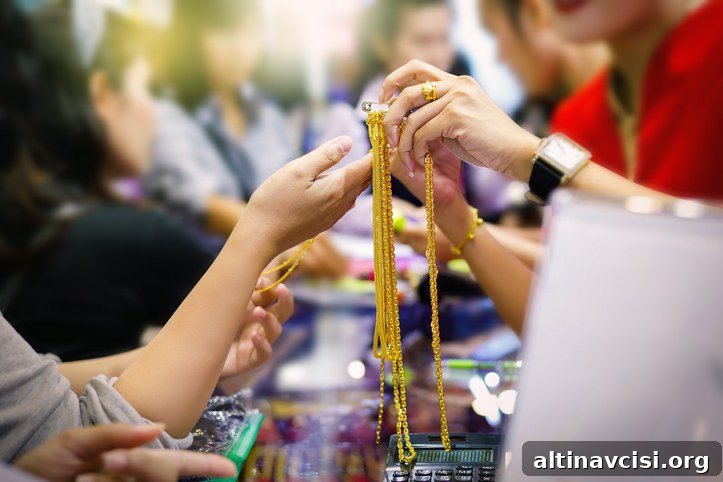
India’s jewelry market, the world’s largest, is increasingly shifting toward gold options trading as prices climbed to record levels in 2025. On the Multi Commodity Exchange (MCX), gold futures options reached a daily turnover of 605 billion rupees ($7 billion) in February, accounting for 26% of total options trading — the highest share since October 2021. At the same time, crude oil options, while still the largest single category, saw their share fall to 52% from more than 70% a year earlier.
The change in trading patterns has been driven in large part by uncertainty surrounding U.S. tariff policies under President Trump, which contributed to a six‑month low in oil prices and helped push gold up by more than 7% since January. Market participants say options have gained popularity because they are generally less capital‑intensive than futures, offering a cost‑effective way to participate in gold’s rally without the margin requirements of futures contracts.
For Indian investors and consumers, gold carries deep cultural and financial significance. Beyond its role as an investment, gold is viewed as a sacred asset and an important symbol of wealth. That cultural demand, combined with policy changes, has supported the market: after India reduced import duties last July, the country reclaimed its position as the world’s largest jewelry market. The duty cut helped cushion domestic demand, resulting in only a modest 2% decline in jewelry purchases — a far smaller contraction than seen in many other markets.
Analysts note that the rise in options trading reflects both structural and cyclical factors. Structurally, retail participation in Indian derivatives markets has been increasing, aided by easier access to trading platforms and growing financial literacy. Cyclically, volatile macroeconomic conditions and shifting commodity prices have encouraged traders to favor instruments that provide downside protection while retaining upside exposure — characteristics that make options attractive during periods of rapid price movement.
Gold’s appeal in India is reinforced by its dual role as a hedge and a store of value. In periods of geopolitical or economic uncertainty, demand for gold typically strengthens as investors seek to preserve capital. The combination of cultural affinity, policy adjustments such as lower import duties, and attractive derivatives pricing has helped sustain robust activity in both physical jewelry sales and financial markets linked to gold.
Looking ahead, market watchers expect options activity to remain significant so long as price volatility persists and retail participation continues to grow. Exchanges and brokers are likely to adapt by offering more educational resources and tailored products aimed at individual investors. At the same time, traders and households will continue to weigh gold’s traditional role against new financial instruments that make exposure to the metal easier and more flexible.