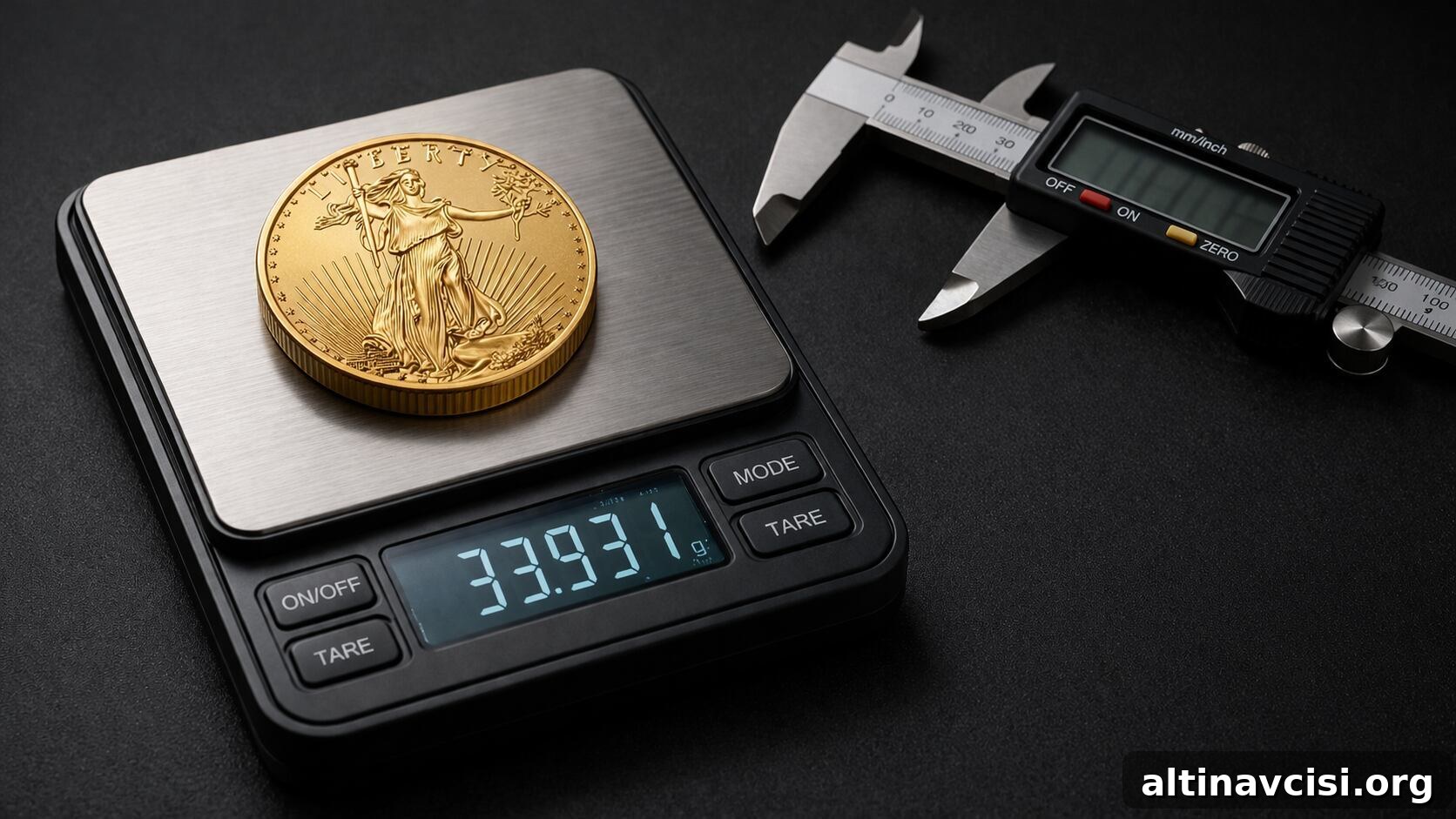
Counterfeiting precious metals goes back as far as currency itself. Learning to identify fake gold and silver begins with knowing how counterfeits are made.
In one high-profile case in September 2012, a Manhattan dealer paid $100,000 for four 10-ounce PAMP Suisse gold bars that later turned out to contain tungsten. The bars had passed basic XRF surface tests and weighed correctly, illustrating how sophisticated substitutions can bypass common checks. With gold prices high, incentives for fraud remain strong.
Fortunately, most counterfeit pieces can be identified before a purchase is completed. This guide explains common counterfeiting methods, effective tests, the limitations of each test, and warning signs to watch for when buying gold or silver.
What Are the Most Common Types of Fake Gold and Silver?
Understanding how fakes are constructed is the first step in spotting them. Counterfeits range from crude to highly refined, and no single test detects every method.
Gold-plated base metals are the most frequent. A thin real-gold layer is bonded over a core of brass, copper, or nickel. The surface can look convincing and may even survive a shallow acid test if the plating is thick enough.
Tungsten-core bars and coins are the most concerning. Tungsten’s density (about 19.25 g/cm³) closely matches gold’s (19.30 g/cm³). A bar hollowed out, filled with tungsten, and resealed with a gold cap can match weight and external dimensions, passing scale checks and surface XRF scans. Standard XRF measures only the outer 10–15 microns, so it can miss internal substitutions.
Mislabeled purity means the metal is real but not the stated fineness. For example, ten-karat gold (41.7% pure) sold as 18-karat (75%) is still gold but not what the buyer paid for. Visual inspection alone cannot reliably determine purity grades.
Counterfeit coins with replicated hallmarks can be produced with precision CNC machining. Weight stamps, mint marks, and design details can look convincing to an untrained eye.
Silver fakes often use cores of lead, copper, or lead–tin alloy plated with silver. Because silver’s density (10.49 g/cm³) is not closely matched by common metals, silver is generally harder to counterfeit convincingly; most fakes fail basic weight-and-dimension checks.
Your Gold Buying Guide Most investors overpay when they buy gold and again when they sell. This guide explains what to own and why.
How Can You Test Gold and Silver at Home?
No single home test is foolproof. The safest approach layers multiple non-destructive checks, starting with the fastest and least invasive methods and progressing to more advanced tests if anything seems off.
Authentication guide
What each test reliably detects — and what it can miss
Layering tests is the best defense: each catches certain frauds and compensates for others’ blind spots.
| Test | Plated fakes | Magnetic cores | Purity fraud | Tungsten core |
|---|---|---|---|---|
| Weight & dimensions Scale + caliper |
||||
| Magnet test Neodymium magnet |
||||
| Ping test Strike and listen |
~ | |||
| Visual inspection Hallmarks & security features |
||||
| Acid test Touchstone + nitric acid |
||||
| Ultrasound testing Professional / coin shop |
19.25 vs. 19.30 g/cm³
The tiny density difference between tungsten and gold is why ultrasound (which inspects internal structure) is necessary to detect tungsten-core counterfeits.
1. Weight and Dimensions
This is the most objective home test and the best place to start.
Every government mint and reputable refinery publishes precise specifications for the products they issue. For example, a genuine 1 oz American Gold Eagle has a published weight and diameter. Any measurable deviation is a red flag.
Use a precision scale accurate to 0.01 g and a digital caliper to check weight and dimensions against the mint’s specifications.
What it catches: Most plated or poorly made fakes, which cannot match both weight and dimensions simultaneously.
What it misses: Tungsten-filled counterfeits, which can be engineered to match weight and dimensions closely. For silver, the larger density gap to common substitutes makes weight testing more conclusive.
2. The Magnet Test
Gold and silver are not magnetic. If a strong rare-earth magnet attracts a coin or bar, the piece likely contains iron, steel, or magnetic nickel alloys.
Hold the magnet close without touching the metal or place the piece on a slight incline; a magnetic fake may cling or drag. This is a quick, free screening tool.
What it catches: Low-quality counterfeits with magnetic cores.
What it misses: Tungsten and other non-magnetic substitutions. Treat the magnet test as an initial filter, not definitive proof.
3. The Ping Test
Genuine gold and silver coins produce a clear, sustained ring when struck; base metals produce a dull thud. Balance the coin and tap it with another coin or a small metal object to listen for a bell-like tone.
What it catches: Most plated base-metal counterfeits and pieces with mismatched acoustic properties.
What it misses: Tungsten-filled pieces may sound closer to real metal and can partially pass an untrained ear test. Professional acoustic measurement is needed for certainty.
4. Visual Inspection and Security Features
A careful visual inspection will not find the most sophisticated fakes, but it will identify many fraudulent items.
Check for clear hallmarks showing purity, weight, and issuing mint. Blurry stamping, misaligned marks, incorrect fonts, or poor edge reeding are red flags. Many official coins also include micro-engraving or other security features that are visible only under magnification; their absence on coins or bars that should have them indicates a problem.
What it catches: Low- and mid-quality counterfeits and items lacking mandatory security features.
What it misses: High-precision counterfeits made with modern machining that replicate surface details accurately. Visual checks are necessary but not sufficient.
5. The Acid Test
Rub the piece on a testing stone and apply a drop of nitric acid to the streak. Real gold resists reaction; many base metals dissolve or discolor. Different acid strengths correspond to different karat levels, so the test can give an approximate purity reading.
What it catches: Plated base metals and mislabeled purity.
What it misses: Tungsten-core bars with genuine gold surfaces. Acid only tests the outer layer and cannot detect internal substitutions.
When Is Professional Authentication Worth It?
Home tests are a useful first defense, but for large purchases—especially bars over 1 oz—they are often not enough.
XRF analyzers are common at reputable dealers and read surface elemental composition quickly and non-destructively. Their limit is surface depth: they sample only the outer microns.
Ultrasound testing inspects internal structure by measuring sound velocity through the metal and is effective at detecting tungsten cores without cutting the bar. Because sound travels at very different speeds through gold and tungsten, ultrasound can reveal hidden substitutions.
Electronic conductivity testers (such as Sigma Metalytics) measure electrical properties that differ across metals and can provide reliable, non-destructive verification at many coin shops.
Third-party grading services like PCGS and NGC provide professional authentication and tamper-evident encapsulation for collectible coins, which is the accepted standard for high-value numismatic purchases.
If home tests raise unresolved questions, pause the purchase. Walking away is usually cheaper than dealing with counterfeit recovery later.
What Red Flags Should You Be Aware Of?
Physical tests show what you have; these warning signs tell you when to dig deeper before buying.
Price below spot: No legitimate seller offers genuine gold or silver below its metal value. Below-spot offers indicate a high risk of counterfeit, theft, or misrepresentation.
Unverifiable mint names: Authentic bullion comes from recognized government mints or established private refiners. Unknown or unconfirmable refiner names should be treated as suspect.
Imprecise design details: Blurry text, misaligned stamps, or inconsistent fonts are signs the piece did not originate from a legitimate mint.
No seller history: Sellers without verifiable reviews or a track record pose added risk. Lack of accountability makes resolution difficult if problems arise.
Packaging that cannot be verified: Tamper-evident assay cards and certificates are useful but can be forged. Packaging alone does not confirm authenticity.
Why the Source Matters More than the Tests
Each test in this guide adds meaningful protection and together they catch most counterfeits. Still, the most sophisticated frauds are designed to defeat individual checks, not to break a reputable supply chain.
Reputable dealers source from authorized mint distributors and maintain quality control. A buyback guarantee signals confidence in authenticity and gives buyers recourse. The cleanest way to avoid counterfeits is to buy from trusted sources so you do not need extensive authentication.
Stay On Top of Gold & Silver Prices
Get important market alerts sent straight to your inbox.
People Also Ask
How do I know if my gold coin is real?
Begin with weight and dimensions using a precision scale and digital caliper, compare to the mint’s published specifications, add a magnet test, and inspect security features specific to the coin type and year. For coins with modern anti-counterfeiting measures, an electronic conductivity test at a reputable coin shop provides reliable confirmation without damage.
Can a tungsten-filled bar pass a magnet test?
Yes. Tungsten is not magnetic, so a tungsten-core bar can pass the magnet test. That is why ultrasound or other internal-structure tests are required to reliably detect tungsten-filled counterfeits.
What does fake silver look like?
Fake silver usually has a copper, lead, or lead–tin core plated with silver. These pieces often weigh less than genuine silver, produce a dull sound rather than a clear ring, and may show discoloration or wear where plating is thin. Because substitutes don’t closely match silver’s density, weight testing identifies most silver fakes.
Is gold ever legitimately sold below spot?
No. Legitimate sellers do not sell genuine gold below the metal’s spot value. Below-spot offers are a major warning sign of counterfeit, stolen, or misrepresented metal.
Do I need to test gold bought from a reputable dealer?
Generally no. A reputable dealer with a verified supply chain and a buyback guarantee assumes the authentication burden. Buying from trusted sources reduces the need for extensive individual testing.
SOURCES
A selection of reporting and technical resources informed this article, including news coverage of counterfeit discoveries and technical summaries of authentication methods.
This article is for informational purposes only and is not financial or investment advice. Consult a qualified advisor before making investment decisions.
You May Also Like:
- Numismatic vs. Bullion Coins: Know What You’re Buying
- Silver in AI Infrastructure: The Hidden Metal Behind Every AI Model
- Gold Price Forecasts for 2026, Revisited After Q1
- How to Read the Gold-Silver Ratio — And What to Do About It
- Gold ETFs Are Booming. But Do You Actually Own Gold?
- Silver Demand by Sector: Industry, Jewelry & Investment
- Small Market, Big Swings: Why Silver Is More Volatile Than Gold
- How to Roll Over Your 401(k) Into a Gold IRA