Gold and silver market update — April 24, 2026
Key Takeaways
- The DOJ dropped its criminal probe of Fed Chair Jerome Powell on April 24, 2026, pushing Kevin Warsh’s confirmation odds on prediction markets from roughly 27% to about 85% in a single session. Rather than fall, gold rose — suggesting markets had been pricing a discount tied to Fed independence concerns, not only the interest rate outlook.
- Warsh’s likely confirmation does not settle gold’s structural case. His testimony acknowledges that Fed policy in 2021–2022 contributed to 25–35% cumulative inflation. Rebuilding credibility while managing a nearly $39 trillion debt burden is constrained, which limits how far real yields can sustainably rise.
- Watch the April 29 FOMC meeting for Powell’s final language. The rate decision looks settled (99.5% probability of a hold). The crucial question is whether Powell signals a path to cuts later in 2026 — that guidance will help define the ceiling or floor for gold as the Warsh era begins.
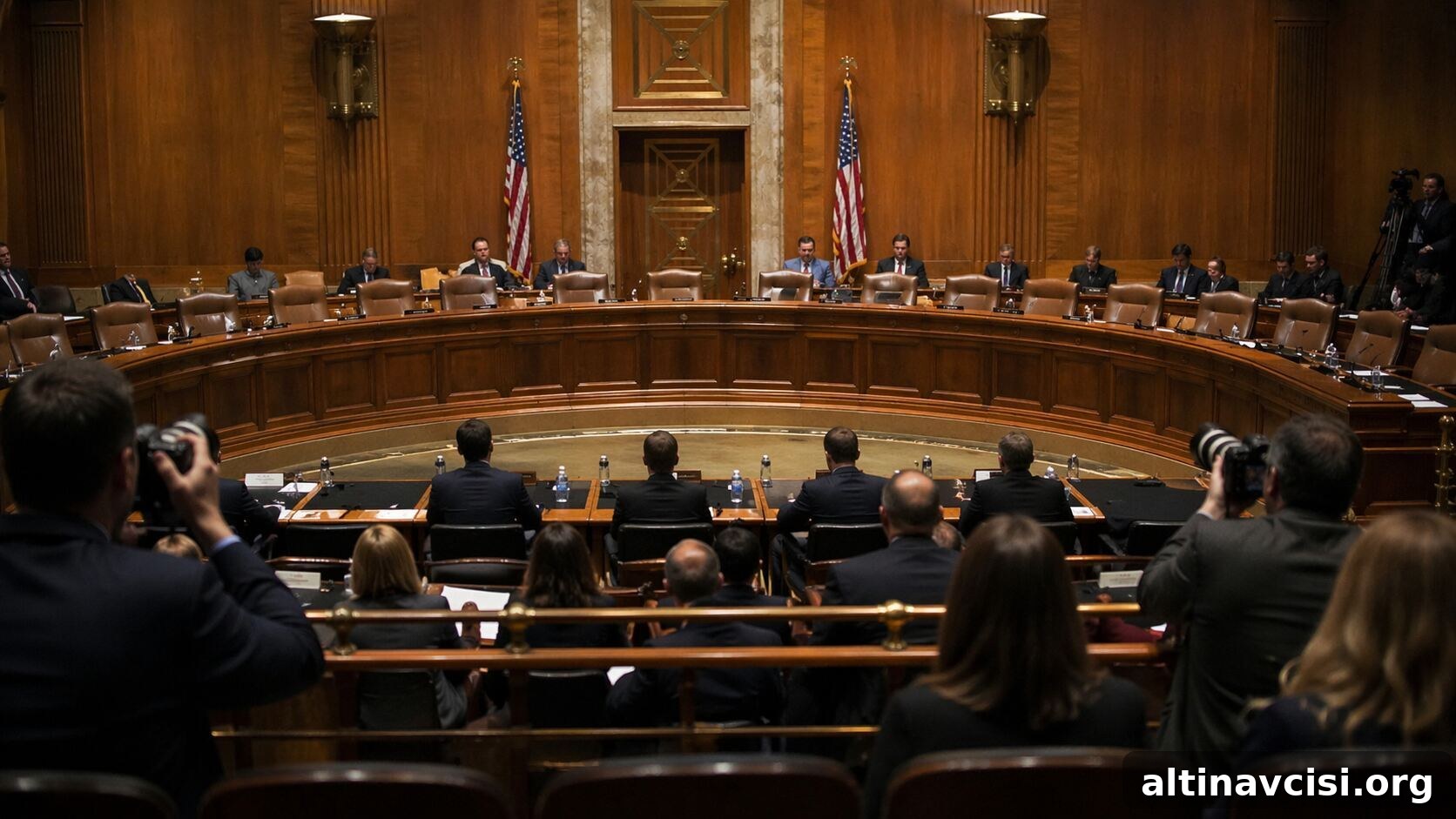
On Friday, the Department of Justice quietly withdrew its criminal inquiry.
U.S. Attorney Jeanine Pirro, who had indicated the probe continued earlier in the week, closed the investigation into Federal Reserve Chair Jerome Powell. Within hours, prediction markets sharply raised Kevin Warsh’s odds of becoming the next Fed chair.
Conventional thinking holds that a more credible, hawkish Fed chair would weigh on gold by strengthening the dollar and real yields. Instead, gold gained.
That reaction is an important signal for investors to consider ahead of the April 29 FOMC meeting, which will be Powell’s final session as chair.
Gold spot traded near $4,723 an ounce at Friday’s close, up from intraday lows near $4,689. Two developments moved expectations at once: progress toward a potential US-Iran diplomatic breakthrough and the DOJ’s decision to drop its criminal probe of Powell.
The DOJ matter had been the last major obstacle to Warsh’s confirmation. Senator Thom Tillis had pledged to block Warsh while the probe was active; with the inquiry closed, prediction markets quickly repriced Warsh’s odds of confirmation by May 15 to roughly 85%, and the longer-term contract on confirmation sits near 98%.
Powell’s term expires on May 15.
Why Did the DOJ Probe Matter for Gold Prices?
The probe, opened in January 2026, nominally focused on records related to the Fed’s renovation of its headquarters and Powell’s testimony. In practical terms, the greater concern was whether a sitting administration might weaponize criminal inquiries to pressure the Federal Reserve into setting policy that aligned with political goals — specifically, lower interest rates.
That prospect was visible to foreign central banks, sovereign wealth funds, and institutional investors, creating a unique institutional uncertainty: not merely whether the Fed would cut rates, but whether it would be free to set policy independently. Gold markets priced that institutional risk.
U.S. District Chief Judge James Boasberg had already signaled the legal risk when he quashed DOJ subpoenas in March 2026, noting substantial evidence the subpoenas could have been used to pressure the Fed chair to favor lower rates or to resign. With the probe formally dropped, that specific coercion risk receded, the dollar briefly strengthened, and gold nevertheless held and moved higher.
Gold’s advance on April 25 reflects the removal of an institutional risk that had been undermining confidence in the dollar. While that helps the dollar in the short term, it does not alter the larger fiscal forces that have supported gold demand since 2022.
The Edge Every Investor Needs
Smarter precious metals investing starts here. The Nuggets Newsletter brings essential market insights, Fed updates, global trends, educational videos, and more.
What Does a Hawkish Fed Chair Mean for the Gold Price in 2026?
The simple narrative is that Warsh, seen as an inflation hawk, would restore Fed credibility, support the dollar, lift real yields, and pressure gold. That is a valid short-term dynamic, but it does not capture the full picture.
Warsh himself acknowledged the Fed’s policy shortcomings at his April 21 confirmation hearing, saying post-COVID price gains of 25–35% showed the Fed had “missed its mark.” He argued for a regime change in policy conduct. His mandate will likely focus on repairing institutional credibility rather than cutting rates.
Rebuilding that credibility is structurally difficult. The Congressional Budget Office projects federal debt rising toward levels that imply growing fiscal strain, and the U.S. already pays over $1 trillion a year in interest on that debt — more than the entire defense budget. That fiscal backdrop constrains any Fed chair: aggressive tightening could unsettle Treasury markets, while aggressive easing risks renewed inflation. Gold stands to benefit from either outcome.
Is a Hawkish Fed Actually Bad for Gold? The Bear Case
If Warsh truly restores credibility, real yields could stay higher, inflation could return to target, and the stronger dollar would weigh on gold over a 12–18 month horizon. Research has shown that rising real yields tend to reduce gold’s price sensitivity, and that is the core bear argument.
Structural bulls counter that restoring credibility sustainably would require substantial deficit reduction — a politically difficult path — or forms of financial repression that historically favor gold. The underlying fiscal and reserve dynamics that pressured the Fed in 2020–2021 remain intact: debt levels have not meaningfully decreased and the dollar’s reserve advantages are under pressure.
What Should Gold Investors Watch at the April 29 FOMC Meeting?
The decision itself appears certain: CME Group’s FedWatch shows a 99.5% probability the Fed will hold at 3.50–3.75% on April 28–29. The market will instead focus on the accompanying language.
Investors should look for clues in Powell’s exit statement: does he leave the door open to cuts later in 2026 if energy prices and geopolitical risks ease, or does he emphasize continued patience and restraint? A conciliatory exit could compress real yields and give gold a short-term boost; a firmly hawkish exit would reinforce the ceiling for gold near recent highs.
Past leadership transitions — for example Powell succeeding Yellen in 2018 — show that initial credibility signals can cause brief price moves, but markets soon refocus on fundamentals like real yields and fiscal dynamics. Traders will scrutinize Powell’s words for what Warsh will inherit.
Meanwhile, diplomatic developments matter. Iranian Foreign Minister Abbas Araghchi’s April 25 visit to Islamabad raised the possibility of progress in US-Iran talks. Any credible resolution to Strait of Hormuz tensions would remove an inflationary risk, lower energy price pressure, and potentially accelerate conversations about rate cuts — a scenario that would support gold through real yield compression.
What This Means for Gold Investors Right Now
Geopolitical risk premia tied to the Strait of Hormuz have eased somewhat, while structural demand drivers for gold — central bank purchases, de-dollarisation trends, and fiscal stress — remain in place. Gold’s rally on news of both Warsh’s rising confirmation odds and diplomatic progress on April 25 shows which forces are currently dominant.
A new Fed leader will soon confront the explicit admission that policy missed its mark. Over the next 12–24 months the central question for gold is not whether Warsh will be hawkish, but whether any Fed chair can credibly rebuild trust in fiat money while navigating a large debt overhang.
The Case for Holding Gold
Holding some physical gold remains a sensible diversification. It does not rely on the Fed failing again; it rests on the continued uncertainty about whether the Fed can fully and sustainably restore credibility given current fiscal constraints.
This is not a doomsday position but a risk-managed approach that helps preserve purchasing power regardless of how events unfold around May 15 and into the Warsh era.
Stay On Top of Gold & Silver Prices
Get important market alerts sent straight to your inbox.
SOURCES
1. TradingEconomics — Gold Price: Chart, Historical Data, News
2. TradingEconomics — Silver Price: Chart, Historical Data, News
3. Al Jazeera — US Justice Department drops criminal probe of Fed chair Jerome Powell
4. NPR — Justice Department drops inquiry into Fed Chair Jerome Powell
5. Council on Foreign Relations — A Fed Under Warsh: What the Confirmation Hearing Tells Us
6. Polymarket — Who will be confirmed as Fed Chair?
7. CBS News — Justice Department drops probe into Fed Chair Jerome Powell
8. CME Group — FedWatch Tool
9. Congressional Budget Office — The Long-Term Budget Outlook: 2025 to 2055
10. Congressional Budget Office — Monthly Budget Review: Summary for Fiscal Year 2025
11. Federal Reserve Bank of St. Louis — The Declining Convenience Yield and Quantitative Tightening
12. Goldman Sachs Commodities Research — Real yield sensitivity analysis, via Bloomberg
13. Al Jazeera — Iranian FM Araghchi travels to Islamabad, April 25, 2026
14. World Gold Council — Gold Spot Prices & Market History
By the GoldSilver Editorial Team — helping investors understand sound money since 2005. This article is for informational purposes only and does not constitute financial, investment, or tax advice. Always consult a qualified financial advisor before making investment decisions.
You May Also Like:
- 5 Signals the Mainstream Gold & Silver Narrative Missed
- Before the Fed Speaks, Watch This Number for Gold
- Gold Price Today: What to Watch Before the April 29 FOMC
- What’s Driving Gold Prices? Oil, PMI, and Newmont
- Dollar Weakens, Gold Falls — and That’s Actually Bullish
- Why Chinese Silver Imports Hit a Record in 2026
- What Drives Gold Prices? 5 Forces Investors Are Watching Now
- The Gold-Silver Ratio Signal: What Silver’s Lead Means