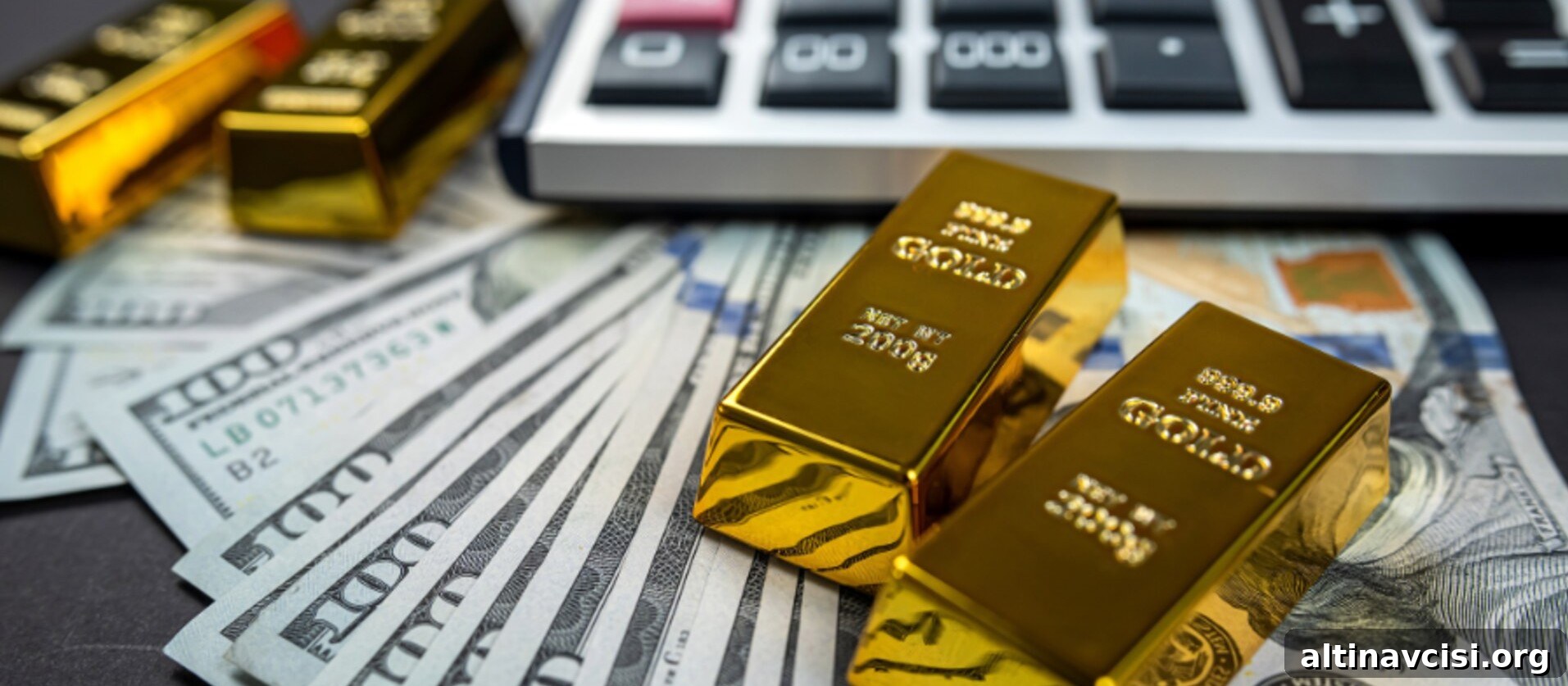
Gold prices have climbed back toward record levels, reaching $3,418.14 per troy ounce on Thursday—just below the all-time high of $3,448.50 set in June.
The rally follows a more than 3% gain from a one-month low recorded last week. Investors reacted to weaker-than-expected U.S. employment data showing that employers added fewer workers in July and the unemployment rate rose to 4.2%.
That softer jobs report has heightened expectations that the Federal Reserve may cut interest rates in September. Lower interest rates generally support gold’s appeal because the metal does not pay interest or dividends and becomes relatively more attractive compared with yield-bearing assets.
Year to date, gold has advanced about 30% as market participants seek safe-haven assets amid persistent economic uncertainty and geopolitical risks. The combination of slower labor-market momentum, potential monetary easing, and ongoing global tensions has reinforced demand for bullion among traders, institutional investors, and individual buyers.
Analysts note that near-term price direction will depend on upcoming economic data, Fed communications, and dollar movements. A weaker dollar and further signs of slowing U.S. growth could propel gold toward or beyond its previous peak, while stronger-than-expected data or a hawkish Fed stance would likely temper gains.
Physical buying from central banks and retail investors, along with steady demand for gold-backed exchange-traded funds, has added to the metal’s upward pressure. Market watchers also point to limited new mine supply and investment flows into alternative safe assets as factors supporting the current price environment.
Investors considering gold should weigh its role as an inflation hedge and diversifier against its lack of income and potential for short-term volatility. Monitoring policy guidance from central banks, employment reports, inflation readings, and geopolitical developments can provide context for positioning in the gold market.