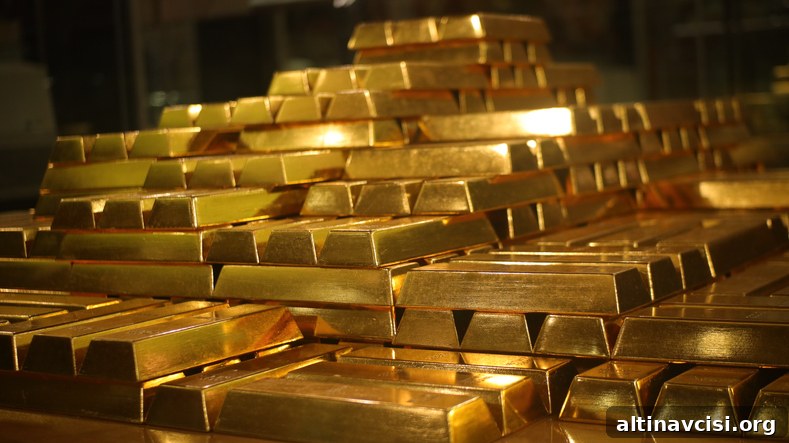
Gold prices have surged to a record high above $3,200 an ounce, rising as much as 2.1% to $3,244.15 on Friday and moving toward a weekly gain of more than 6%. The rally reflects heightened investor demand for safe-haven assets amid growing concerns over global trade tensions and currency stability.
“Gold is the best place to be in the market now. The unprecedented trade tension has deepened the distrust of the US dollar, intensifying the demand for other safety assets,” said Liu Yuxuan, a Shanghai-based precious metals researcher at Guotai Jun’an Futures Co. His view captures why many investors are reallocating portfolios into physical and paper gold as a hedge against widening geopolitical and economic uncertainty.
The sharp rise in gold follows a period of pronounced market volatility after unexpected shifts in U.S. trade policy. Movements by the U.S. administration involving tariffs and retaliatory measures from trading partners have fueled sell-offs across stocks, bonds and the dollar. As tariffs escalate and trade flows are disrupted, questions have emerged about the traditional role of U.S. Treasury debt and the dollar as safe-haven assets.
Investors worried about the potential for prolonged trade disputes, slower global growth and erosion of confidence in the dollar are increasingly turning to gold. Historically, gold has been sought as a store of value when real rates turn negative, inflation expectations rise, or when currency and geopolitical risks intensify. The current backdrop—characterized by volatile policy signals, rising trade barriers and a flight from riskier assets—has reinforced those incentives.
Market participants point to several forces supporting the rally. First, safe-haven flows have picked up as capital seeks refuge from volatile equity markets and uncertain bond yields. Second, concerns about further currency depreciation have boosted demand for non-dollar stores of value. Third, sustained central bank purchases of gold in some regions have tightened available supply, lending support to higher prices. Finally, technical momentum and speculative positioning have amplified the move, as price gains attract additional buying.
Analysts note that while gold does not generate income like equities or bonds, its scarcity, portability and long history as a monetary asset make it a preferred hedge in times of policy unpredictability. Portfolio managers weigh gold not only as a defensive asset but also as a diversification tool that can reduce overall portfolio volatility when correlations between traditional assets weaken.
Looking ahead, gold’s path will depend on how trade tensions evolve, whether fiscal and monetary responses change investor expectations, and how inflation and real interest rates develop. If trade barriers persist or escalate further, and if confidence in dollar-denominated assets remains strained, demand for gold could continue to support elevated price levels. Conversely, any durable improvement in U.S.-China relations, clearer policy signals, or a strengthening dollar could temper the rally.
For now, the surge to an all-time high underscores the shifting risk calculus among investors. As global policy dynamics and market sentiment continue to evolve, gold’s role as a refuge and portfolio diversifier has come into sharper focus, and its recent performance highlights the metal’s appeal when traditional safe havens are perceived to be weakening.