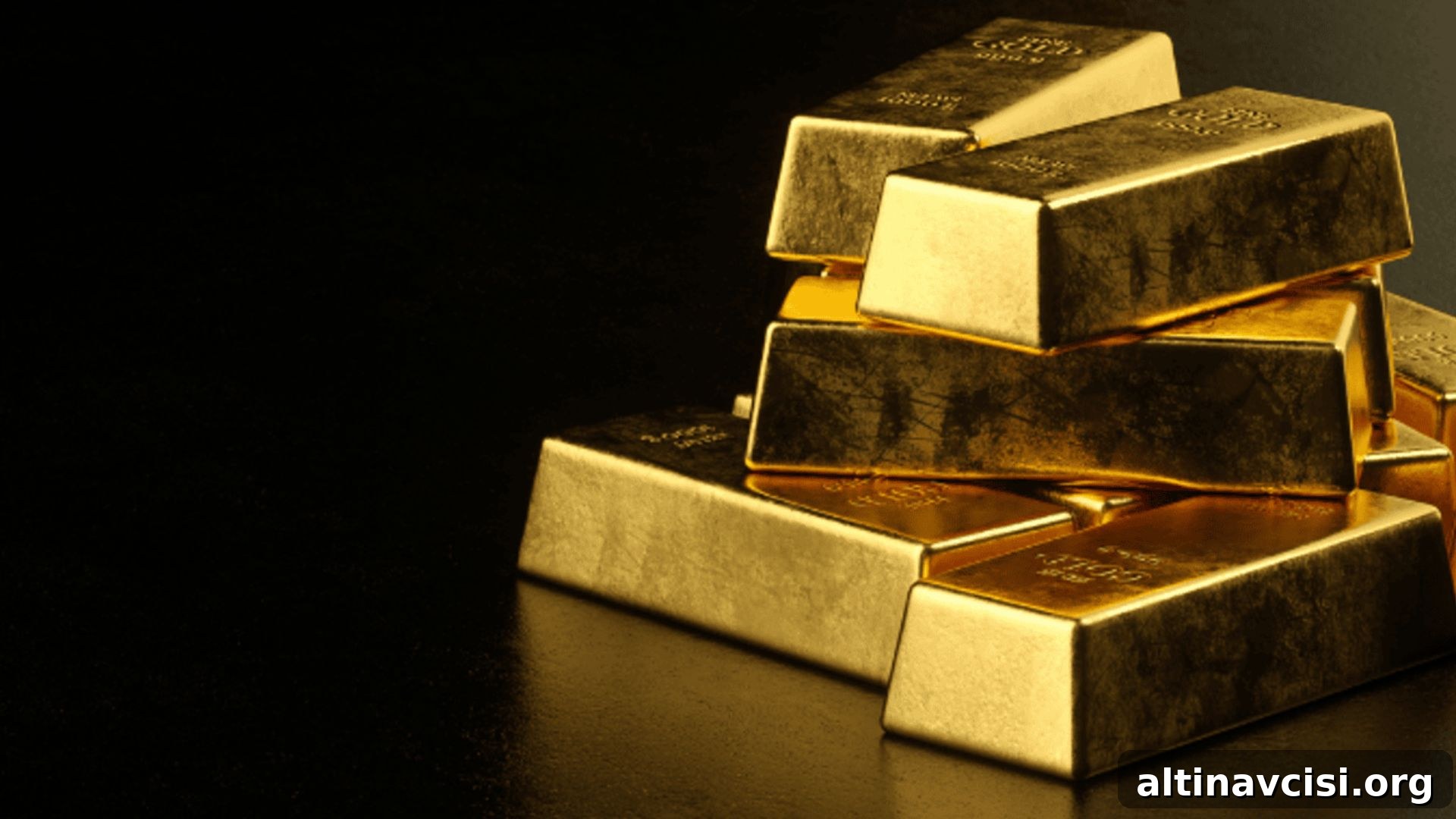
Gold surged to an all-time high above $3,200 per ounce, rising as much as 1.9% to $3,237.89 on Friday and marking roughly a 6% gain for the week. The rally underscores gold’s enduring role as a safe-haven asset amid heightened economic uncertainty.
One of the main catalysts has been the unpredictability around tariff policy from the Trump administration, which has sparked heavy selling across U.S. stocks, bonds and the dollar as investors grow increasingly concerned about a potential recession. Although the White House announced a 90-day pause on tariff increases for many trading partners, tariffs on all Chinese imports remain at least 145%.
Beijing responded by raising tariffs on U.S. goods to 125%, while characterizing the U.S. moves as a “joke” not worth fully matching. Analysts, including Shanghai-based precious metals researcher Liu Yuxuan, say gold is “the best place to be” in the current climate. Intensifying trade tensions have weakened confidence in the U.S. dollar and driven demand for alternative safe assets such as gold.
Gold’s advance has also been supported by sizable central bank purchases and growing expectations for easier U.S. monetary policy. Recent U.S. inflation data showing cooler prices led traders to price in multiple Federal Reserve rate cuts later in the year. Lower interest rates tend to boost gold’s appeal because bullion carries no yield, making it more attractive relative to interest-bearing assets when policy loosens.
Beyond trade and monetary policy, investors cite geopolitical uncertainty and portfolio diversification as additional reasons for increasing exposure to gold. Central banks around the world have been adding to their reserves, while private investors and funds have expanded allocations to precious metals to hedge against currency weakness and market volatility.
Market participants note that gold’s move above $3,200 reflects both a technical break of key resistance levels and a broader shift in sentiment toward risk aversion. With equities and bond markets facing pressure and the dollar showing signs of strain, gold has benefited from inflows seeking capital preservation and long-term value.
While some strategists caution that sharp rallies can be followed by periods of consolidation, the prevailing view among many analysts is that sustained geopolitical and economic uncertainty — paired with accommodative central bank policies — could continue to support higher gold prices. Investors, however, will be watching closely for new economic data and any shifts in tariff or trade negotiations that might temper risk-off sentiment.