Daily News Nuggets | Today’s top stories for gold and silver investors
March 16th, 2026 | Brandon Sauerwein, Editor
Can Gold Hold $5,000 as the Fed Pushes Back?
Gold is trading around the $5,000 level as two forces push in opposite directions. Escalating tensions in the Middle East — including heightened U.S. pressure on Iran over its nuclear program — have boosted safe-haven demand. At the same time, the outlook for interest rates is creating constraints on gold’s near-term upside.
Recent U.S. data show the economy holding up better than many expected, giving the Federal Reserve room to stay cautious about cutting rates. That means fewer cuts, later cuts, or possibly no cuts this year — all scenarios that can cap gold’s immediate gains.
Major banks remain constructive on the metal. Goldman Sachs, BNP Paribas, and Deutsche Bank expect the rally to continue, driven not only by geopolitics but also by growing investor skepticism toward central banks. That longer-term erosion of confidence can support a sustained bid for precious metals.
Gold Spot Price (USD/oz)
$4,000 crossed — Sep 2025
$5,000 broken & held — Jan 2026
What Happens to Markets If Rate Cuts Don’t Come?
Hopes for rate cuts are fading. With the Fed meeting on March 18–19, investors are reassessing how much easing is likely this year. The economy has remained resilient and inflation has proved stubborn, giving the Fed little cover to ease policy quickly.
A month ago markets priced a first cut in June; now that timing has shifted later, with some analysts pushing the earliest cut to September or questioning whether cuts will occur at all. If inflation fails to move convincingly toward the Fed’s 2% target, a higher-for-longer interest-rate environment becomes more likely.
Markets are already reacting: Treasury yields have climbed as traders push out rate-cut expectations, and equities and other risk assets are recalibrating to the prospect of elevated borrowing costs for longer. The March meeting will be watched closely — any signal that cuts will be delayed or reduced in scope could prompt a further repricing into the second half of the year.
The Edge Every Investor Needs
Smarter precious metals investing starts here. The Nuggets Newsletter delivers market insights, Fed updates, global trends, educational video content, and practical analysis for investors.
Why Are Rising Oil Prices a Problem for the Fed?
Oil has surged in recent weeks and market participants are watching closely. Disruptions tied to the U.S.-Iran conflict have tightened supply from a major energy region and pushed crude prices higher. The key risk is that energy-driven inflation becomes persistent rather than temporary.
Rising energy costs flow quickly through the economy — increasing transportation and production costs and eventually showing up in consumer prices. That dynamic makes the Fed’s job harder: persistent oil-driven inflation would reduce the scope for rate cuts and could keep policy tighter for longer.
When expectations for rate cuts fade, demand for safe-haven assets typically increases. Gold is already reflecting that shift in sentiment.
As Gold Prices Rise, Who Actually Profits From Mining It?
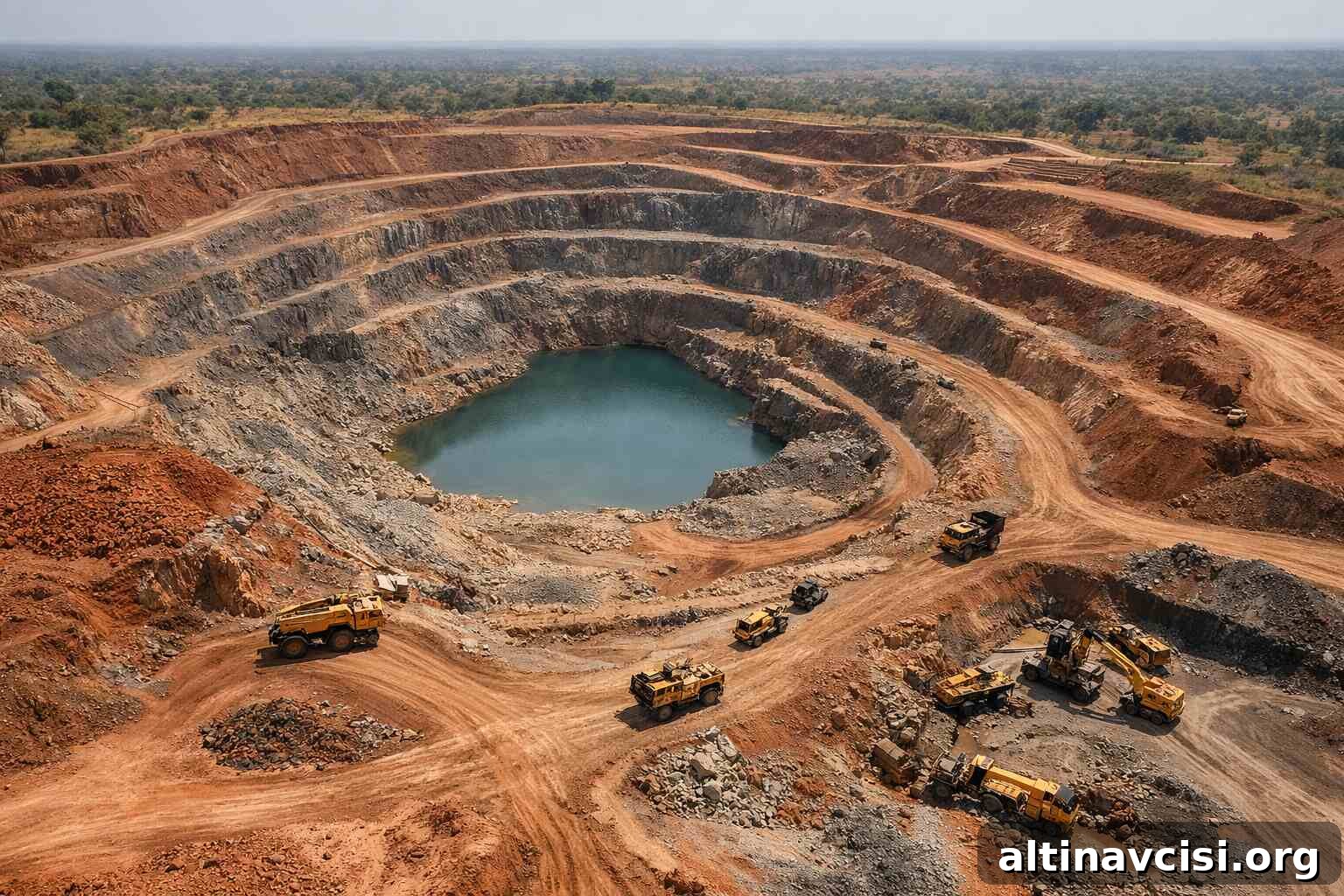
Ghana is Africa’s leading gold producer, yet the government says citizens are not seeing enough benefit from rising prices. In response, Ghana has raised mining royalties — a move that could affect future supply if higher fiscal terms discourage investment.
Gold mining generates significant export revenue and government income, but much of the profits have flowed to foreign companies rather than local communities. Across resource-rich countries, governments are increasingly seeking higher taxes and royalties. Those measures can raise operating costs and add regulatory uncertainty for mining firms.
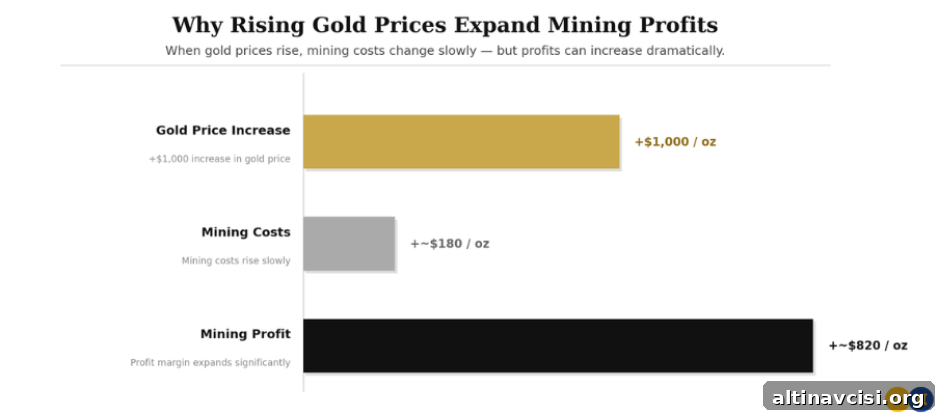
The supply implications matter. If tougher fiscal regimes slow investment in mining projects in key producing regions, global gold supply could tighten even as demand continues to grow. Investors should watch how policy changes in major producing countries evolve over the coming years.
Is Now a Good Time to Own Gold and Silver? BlackRock Thinks So.
When the world’s largest asset manager weighs in, it’s worth noting. BlackRock sees both gold and silver as well positioned, for reasons that go beyond safe-haven demand.
Gold’s low correlation with stocks and bonds makes it a valuable diversifier. In recent years, the traditional negative correlation between equities and bonds has weakened at times, and when both move down together, gold has often held its value better than other assets.
Silver combines monetary appeal with industrial demand. It is used in solar panels, electrification infrastructure, and other clean-energy technologies, providing an industrial floor beneath its price that pure monetary metals lack.
BlackRock’s view is that, amid geopolitical risks, uncertain Fed expectations, and persistent volatility, precious metals deserve a prominent role in many portfolios.
Stay On Top of Gold & Silver Prices
Get important market alerts sent straight to your inbox.
You May Also Like
- Why Oil Is Surging and Gold Isn’t (Yet)
- Gold Price Rises as Iran War Escalates
- February 2026 CPI Report Shows Inflation Calm Before Oil Shock Hits
- Ray Dalio Says Gold Is Still “The Safest Money”
- The CPI Report and Gold: Why Inflation Data Moves the Metal