Gold Steady Ahead of US Fed Rate Decision and Powell Remarks
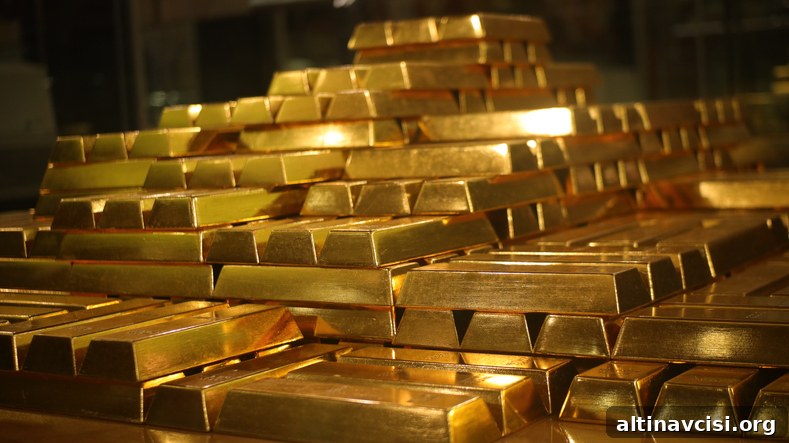
Gold Holds Steady Above $3,330 as Markets Await Fed Guidance
Gold held steady just above $3,330 per ounce as investors and traders awaited the Federal Reserve’s upcoming interest rate decision. With the central bank widely expected to keep rates unchanged at this meeting, attention has shifted to the remarks from Chair Jerome Powell for clues about the Fed’s future path and the possibility of rate cuts later in the year.
Why the Fed Matters for Gold
The Federal Reserve’s policy stance is a key driver of gold prices. Expectations for interest rates influence real yields, the opportunity cost of holding non-yielding assets like gold, and the strength of the U.S. dollar. If the Fed signals that it may ease policy and cut rates, real yields tend to fall, making bullion more attractive to investors. Conversely, a hawkish tone or indication of prolonged higher rates can weigh on gold.
Markets are especially sensitive to forward guidance from the Fed. Traders parse speeches, press conferences, and policy statements for subtle shifts in language that indicate changes in the timeline for any rate cuts. Comments by Chair Jerome Powell often carry extra weight because they can clarify how the Fed views inflation, labor market conditions, and broader economic risks—factors that directly affect precious metals demand.
Lower Rates and Gold Demand
Lower interest rates typically support higher gold prices because they reduce real yields and borrowing costs, encouraging investment in alternative assets. When real yields decline, the opportunity cost of holding gold falls, prompting both institutional and retail investors to increase positions in bullion and gold-backed exchange-traded products. At the same time, softer rates can widen the appeal of gold as an inflation hedge if inflation expectations remain elevated.
Safe-Haven Appeal Amid Tensions and Risks
Gold’s safe-haven characteristics remain a central part of its appeal. Geopolitical tensions, economic uncertainty, and persistent trade frictions tend to lift demand for gold as a store of value. This year, a range of geopolitical risks and trade concerns helped propel gold higher, even as global markets reacted to shifting economic data and policy speculation.
Recent progress in U.S.-China talks, however, has not translated into a major bump in market optimism or a sustained decline in safe-haven demand. Negotiations can reduce near-term trade risk, but investors remain attentive to the broader economic backdrop, policy divergence among major central banks, and any new developments that could rekindle market stress.
Market Positioning and Investor Behavior
Investor positioning plays an important role in short-term price moves. Traders often adjust exposure to gold ahead of major central bank events, creating periods of subdued volatility followed by sharp moves once guidance is released. In addition to speculative flows, longer-term demand drivers—such as central bank purchases, jewelry consumption, and investment interest in major markets—help shape the metal’s trajectory over time.
Currency movements also influence gold prices. A weaker U.S. dollar tends to make gold more affordable for holders of other currencies, supporting demand globally. Conversely, a stronger dollar can exert downward pressure on bullion.
Outlook and What to Watch
In the near term, market participants will be watching for any signs from the Fed that could alter the timeline for rate cuts. Clear signals of an easier policy stance would likely bolster gold, while indications that rates will remain higher for longer could create headwinds. Beyond the Fed, developments in trade relations, geopolitical events, and macroeconomic data—particularly on inflation and employment—will continue to influence investor sentiment and the demand for safe-haven assets.
For investors tracking gold, staying informed about central bank communications, inflation trends, and broader risk sentiment remains essential. These factors collectively shape the environment in which gold prices move, and they will remain central to the metal’s outlook as markets digest the Fed’s next moves.
Popular Topics
Picked from the archive
-
01
 Topics
U.S. Jobs Surge Dims Chances of July Fed Rate Cut
-
02
Topics
Trump Imposes 50% Copper Tariff, Global Markets Reeling
-
03
Topics
Tariffs Drive Up Consumer Prices as Inflation Rises
-
04
Topics
Trump’s Big Beautiful Bill Clears House; Senate Vote Looms
-
05
Topics
Treasury Yields Jump After May Inflation Tops Estimates at 2.7%
-
06
Topics
Trump Threatens 100% Tariff on Chips to Revive U.S. Manufacturing
-
07
Topics
When Should You Start a Precious Metals IRA?
-
08
Topics
Cryptocurrency Prices Slide as Investors Exit Risk Assets