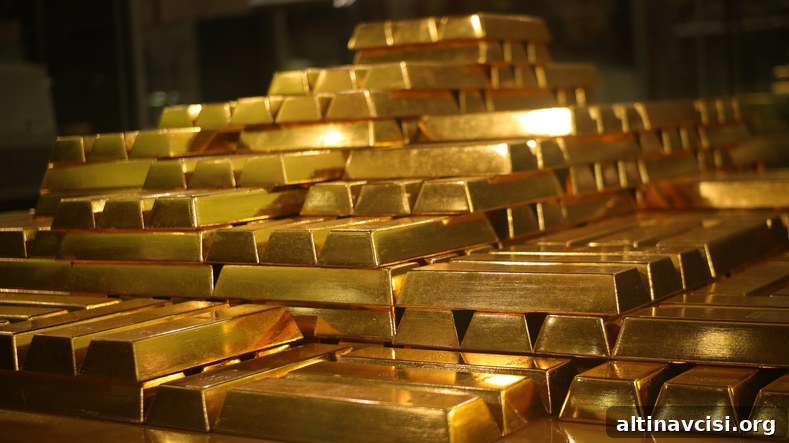
Gold has surged to an unprecedented high, topping $3,079 an ounce and recording its fourth straight weekly gain amid escalating trade tensions and investor demand for safe-haven assets.
The metal climbed 0.7% on Friday after President Trump signed a proclamation imposing 25% tariffs on all auto imports. He also warned of tougher measures against the EU and Canada if they retaliate. Markets are preparing for additional “reciprocal tariffs” set to take effect on April 2, although precise details have not been released. The uncertainty surrounding trade policy and potential escalation has encouraged investors to move into gold.
This flight to safety has driven gold roughly 16% higher so far this year, producing at least 15 record highs even as traders scale back expectations for Federal Reserve rate cuts. Strong central bank purchases and robust exchange-traded fund (ETF) inflows are cited by major institutions as key drivers. Several banks, including Goldman Sachs, have raised their forecasts for gold prices; Goldman now projects gold could reach $3,300 an ounce by year-end, attributing the view to ongoing demand from central banks and sustained ETF interest.
Silver has also benefited from the same dynamics, approaching levels not seen since 2012. The market for silver is unusually tight, with trade and tariff concerns prompting significant physical movements—most notably transfers of silver from London vaults to the United States. That rebalancing of physical inventories has added upward pressure on prices as traders and investors weigh supply logistics alongside broader macroeconomic and geopolitical risks.
Beyond tariffs and geopolitical headlines, the current bullion rally reflects a broader combination of factors: investors seeking protection against policy uncertainty, persistent demand from institutional and retail investors, and constrained physical supplies in certain markets. While central-bank buying provides steady support, ETF flows have amplified momentum by making it simpler for investors to gain exposure to bullion without holding physical metal.
Market participants remain watchful for further policy announcements and the details of any additional tariff rounds, since new measures or retaliatory responses could influence safe-haven demand. At the same time, shifts in interest-rate expectations and currency movements will continue to affect precious-metal prices. For now, the interaction of trade-related risk, strong institutional demand and limited physical availability has pushed gold and silver to multiyear highs, sustaining a bullish tone across the precious-metals complex.