Gold and silver market update — May 4, 2026
In today’s update: Stagflation, Warsh, gold, silver — 2026 just handed investors five signals at once. ISM Prices Paid reached 84.6, a Fed chair decision is days away, and AI’s $725B capex surge is driving silver’s sixth straight supply deficit. Below is a clear, concise look at what each development means for precious metals.
What Does Stagflation in Manufacturing Data Mean for Gold?
April’s ISM Manufacturing report confirmed a troubling mix: elevated prices and deteriorating activity. The Prices Paid index surged to 84.6 — the highest reading since April 2022 and up more than 25 points in three months. Energy tied to the war, tariffs and higher raw materials costs are the main contributors.
At the same time, the Employment index slipped to 46.4, the weakest reading so far this year. Manufacturing has now been contracting for an extended period, leaving the Fed with a dilemma: cut rates and risk reigniting inflation, or hold rates and let employment weaken further. That policy paralysis is precisely the environment where gold tends to shine. Gold pays no yield, but when real yields are pushed lower by rate cuts or by expectations of easier policy, gold becomes comparatively more attractive as a store of value.
The Edge Every Investor Needs
Smarter precious metals investing starts here. The Nuggets Newsletter brings you essential market insights, Fed updates, global trends, educational videos, and more.
What Does a New Fed Chair Mean for the Gold Price?
The Senate Banking Committee recently moved Kevin Warsh’s nomination forward by a 13–11 vote. A full Senate vote is expected by May 11, just before Jerome Powell’s term ends. The likely new chair matters because of the inflation measure he prefers. Warsh has cited the Dallas Fed’s trimmed-mean PCE, which currently runs about 0.7 percentage points below the official core PCE.
That gap matters: a lower preferred inflation reading makes it easier for the Fed to justify rate cuts. Each cut tends to compress real yields, which reduces the opportunity cost of holding gold and often supports higher gold prices. Central bank demand remains strong—official buyers acquired substantial tonnes in Q1 2026—and lower rates generally accelerate reserve-building. Track the trimmed mean closely; it may shape expectations and gold market flows.
Why Is AI Infrastructure Driving a New Silver Demand Cycle?
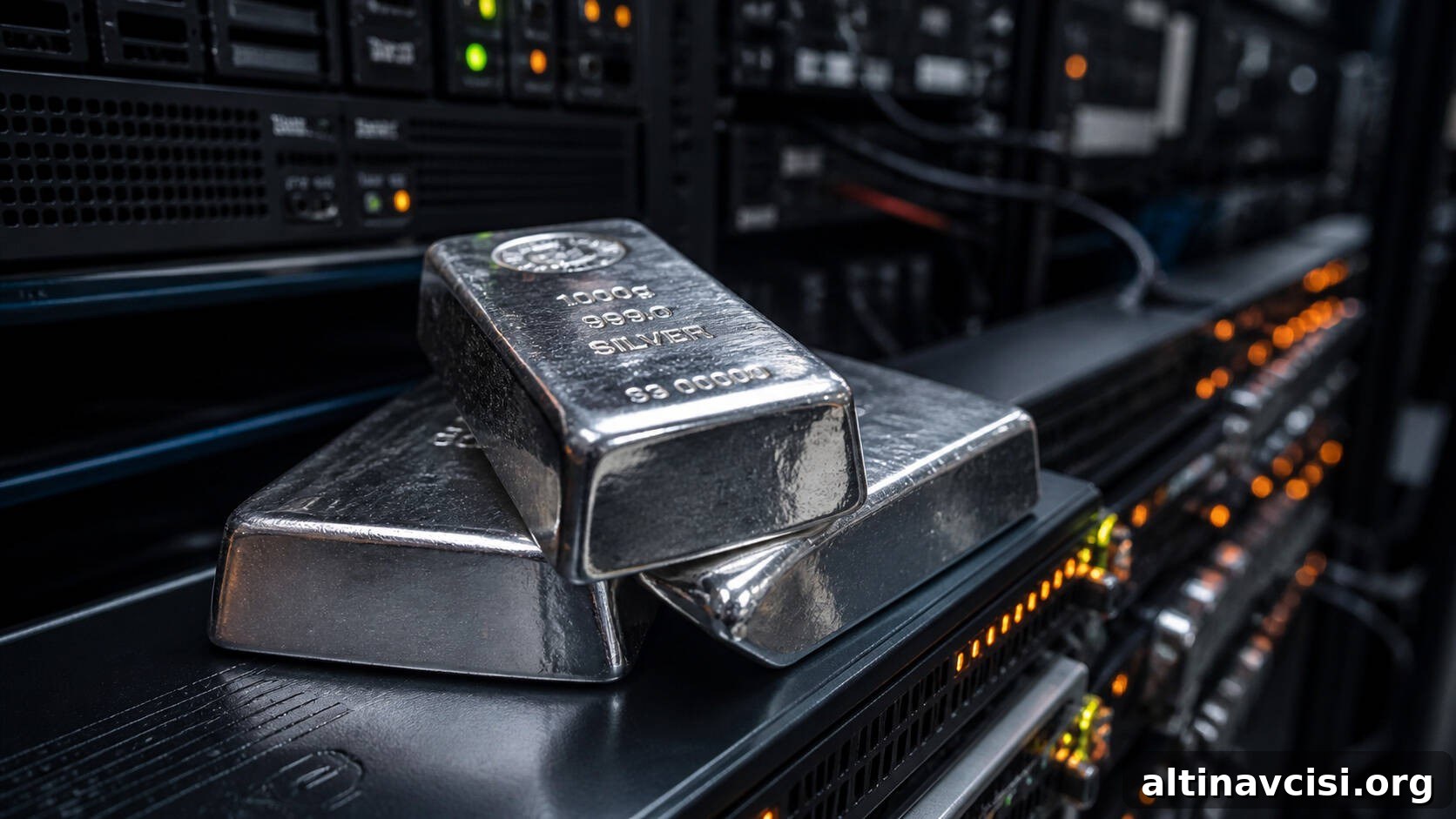
Hyperscalers are ramping capital spending sharply. Google, Amazon, Microsoft and Meta plan roughly $725 billion in infrastructure outlays this year—about a 77% increase from last year. Data centers and high-performance electronics rely on silver for electrical contacts, thermal solutions and high-frequency circuitry. Crucially, much of this demand is contracted and commercially driven, making it resilient to economic slowdowns.
At the same time, traditional silver demand from solar panels is easing as manufacturers reduce silver content per panel. AI-related industrial demand now more than offsets that decline. The Silver Institute projects another annual supply deficit, continuing a multi-year trend and leaving a sizable shortfall. Silver currently trades at a level that makes it look undervalued relative to gold by some measures, and structural deficits combined with accelerating industrial demand are the basic conditions that tend to narrow that undervaluation over time.
What Will the April Jobs Report Tell Gold Investors?
The April Employment Situation report will publish Friday at 8:30 a.m. ET. March surprised to the upside with a strong payroll gain, while February’s data were distorted by a large healthcare strike that temporarily reduced employment. Because of that volatility, April’s number carries extra informational value.
If payrolls come in strong—say above 150,000—markets will likely infer the Fed can stay restrictive, real yields will remain higher, and gold may face downward pressure. If payrolls are weak—below roughly 75,000—combined with high ISM Prices Paid readings, the stagflation narrative gains traction: persistent inflation with weakening labor demand. That scenario historically supports gold and silver, as it increases expectations for policy easing alongside persistent price pressures.
Is Record Credit Card Debt a Signal for Gold and Silver Investors?
U.S. revolving credit balances reached record levels in late 2025, topping $1.277 trillion. Balances have climbed substantially since 2021 while average APRs remain elevated. Recent reports show many households are carrying balances to cover essentials such as groceries, housing and healthcare rather than discretionary spending.
Why This is Not Overspending
This rise in consumer borrowing appears driven less by excess consumption and more by stretched household budgets as wages fail to keep pace with living costs. When purchasing power erodes, investors often turn to hard assets like gold and silver to preserve value. The increase in consumer credit aligns with a period of notable monetary expansion and rising inflationary pressure—conditions that have contributed to meaningful gains in gold over the past year.
Stay On Top of Gold & Silver Prices
Get important market alerts sent straight to your inbox.
SOURCES
1. Institute for Supply Management — Manufacturing PMI® Report on Business, April 2026
2. US Senate Banking Committee — Warsh Nomination Vote Record, April 29, 2026
3. Federal Reserve — Powell Term and Succession
4. Federal Reserve Bank of Dallas — Trimmed Mean PCE Inflation Rate
5. Bureau of Economic Analysis — Personal Consumption Expenditures Price Index
6. World Gold Council — Gold Demand Trends Q1 2026: Central Banks
7. Financial Times — Big Tech Q1 2026 Earnings: Hyperscaler Capex Compilation
8. Silver Institute — World Silver Survey 2026
9. LBMA — Precious Metal Prices, May 4, 2026
10. Bureau of Labor Statistics — Employment Situation, March 2026
11. Bureau of Labor Statistics — April 2026 Employment Situation Release Schedule
12. Federal Reserve Bank of New York — Household Debt and Credit Report, Q4 2025
13. Federal Reserve Board — G.19 Consumer Credit Release, Q4 2025
14. TransUnion — Q1 2026 Credit Industry Insights Report
Disclaimer: This article is for informational purposes only and does not constitute financial or investment advice. Always consult a qualified financial adviser before making investment decisions.
You May Also Like:
- Why Gold Fell on the Hormuz Tanker Strike
- WGC Q1 2026: What Asia Knows That Wall Street Doesn’t
- BEA Stripped Silver From GDP. Here’s What It Means
- PCE at 3.5%, GDP Miss: Why This Is Bullish for Gold
- How Warsh’s Inflation Measure Could Move the Gold Price
- Gold Is Down 19%. This $3.8B Bet Says It Doesn’t Matter
- Gold, Oil, and the Fed: Why the Old Rules Don’t Apply
- Why Turkey Sold Its Gold Reserves — And What It Proves About Sound Money