Daily News Nuggets | Today’s top stories for gold and silver investors
February 4th, 2026 | Brandon Sauerwein, Editor
Gold Over $5,000, Silver Surges After Deep Sell-Off
Gold futures reclaimed the $5,000/oz mark on Wednesday, bouncing back after last week’s dramatic decline. Prices rose roughly 3% to about $5,070/oz, while silver jumped between 8% and 10% toward the $90/oz level. The rebound followed one of the steepest precious-metals sell-offs in decades, during which gold fell more than 13% and silver plunged nearly 30% earlier in the week.
Traders attribute the recovery to dip-buying as forced liquidations subsided. Once crowded speculative positions unwound, selling pressure eased and buyers stepped in. Many market participants now view the drop as a technical reset rather than a structural collapse in demand. That said, volatility remains elevated: measures such as gold ETF volatility spiked, indicating markets could stay unsettled for a time.
For investors, the episode reinforces the traditional roles of gold and silver during periods of uncertainty. With inflation proving persistent and rate expectations still shifting, precious metals continue to attract interest as portfolio stabilizers—even after violent price swings. Some analysts characterize the event not as a breakdown but as a clearing of excess speculation that may pave the way for steadier gains.
The Edge Every Investor Needs
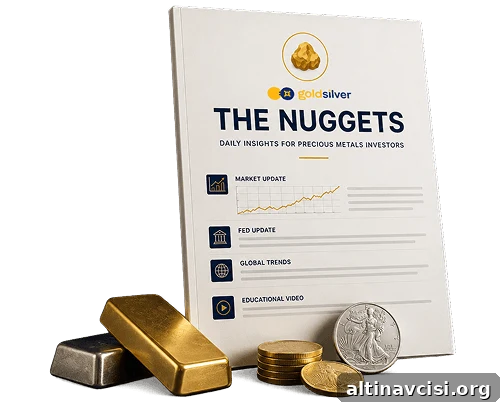
Smarter precious metals investing starts here. The Nuggets Newsletter delivers market insights, Fed updates, global trends, educational videos, and timely analysis.
ING: Gold & Silver Corrected, Not Collapse
ING says the recent price action represents a reset in positioning rather than a break in the long-term uptrend. After rapid, speculative gains, crowded trades unwound and a stronger U.S. dollar prompted forced selling, driving sharp declines. As that selling pressure eased and the dollar softened, buyers returned, supporting a partial recovery.
ING highlights how silver’s swings tend to be larger because it serves both industrial and monetary roles and has a smaller market. Gold, meanwhile, benefits from central-bank purchases and safe-haven demand. Looking ahead, ING expects metals to advance at a slower, steadier pace, remaining sensitive to dollar moves and rate expectations while structural demand drivers persist.
Warsh’s Confirmation in Jeopardy Amid Fed Independence Fight
President Trump’s nominee for Federal Reserve chair, Kevin Warsh, faces growing resistance in Congress. Initially viewed by markets as a stabilizing choice, his confirmation has stalled after Senator Thom Tillis said he would block the nomination until the Justice Department completes an investigation related to current Fed Chair Jerome Powell.
Tillis, a Senate Banking Committee member, argues that unresolved legal questions pose risks to the Fed’s independence. While he commends Warsh’s monetary experience, he insists the probe must finish first. Democrats have also voiced concerns about political influence at the central bank, creating bipartisan tension over a process that is usually routine.
With the committee closely divided, a hold could delay a full Senate vote and leave the Fed’s leadership transition unsettled during a sensitive period for markets. At the same time, incoming economic data will influence how much further policy can tighten without harming the economy.

U.S. Hiring Slows Sharply: ADP Shows Tepid Job Gains
U.S. private-sector hiring cooled significantly in January. Payroll processor ADP reported just 22,000 new jobs, well below the roughly 45,000 economists had expected. Most of the modest gains came in healthcare, restaurants, and hospitality, while hiring in manufacturing and professional services was flat or negative.
The weak reading continues a trend of softer labor demand as economic growth slows and borrowing costs remain elevated. That pattern complicates the Federal Reserve’s view on wage trends, inflation, and future rate moves. With the official government payroll report delayed due to a shutdown, ADP’s numbers carry added attention from markets watching for signs that the labor market is cooling rather than collapsing.
Investors remain attentive: persistent labor weakness could force a reassessment of the economy’s underlying resilience, even as stock markets focus on earnings.
Burry Warns Bitcoin Slump Could Ripple Through Markets
Michael Burry, known for predicting the 2008 housing crisis, warned that Bitcoin’s recent roughly 40% decline from its peak could create spillover effects across financial markets. In a Substack post he argued Bitcoin has not behaved like a hedge the way gold or silver can, and suggested its losses may have contributed to forced liquidations that affected other assets.
Burry cautioned about possible cascading effects if Bitcoin continues to fall, noting certain corporate holders could face significant unrealized losses that prompt broader risk-off moves. His observations feed an ongoing debate about how cryptocurrencies fit into diversified portfolios and how they interact with traditional safe havens.
You May Also Like
- Gold (+6%) and Silver (+10%) Stage Dramatic Comeback
- JP Morgan Sees $6,300 Gold After Historic Crash
- Gold’s Week: $9T Swing, Trump’s Fed Pick, and Record Premiums
- Gold Breaks $5,500 as Metals Rally Accelerates
- Gold Passes $5,300 as Fed Meets, Dollar Craters
- Why Gold Just Hit $5,100 and Where It’s Headed Next