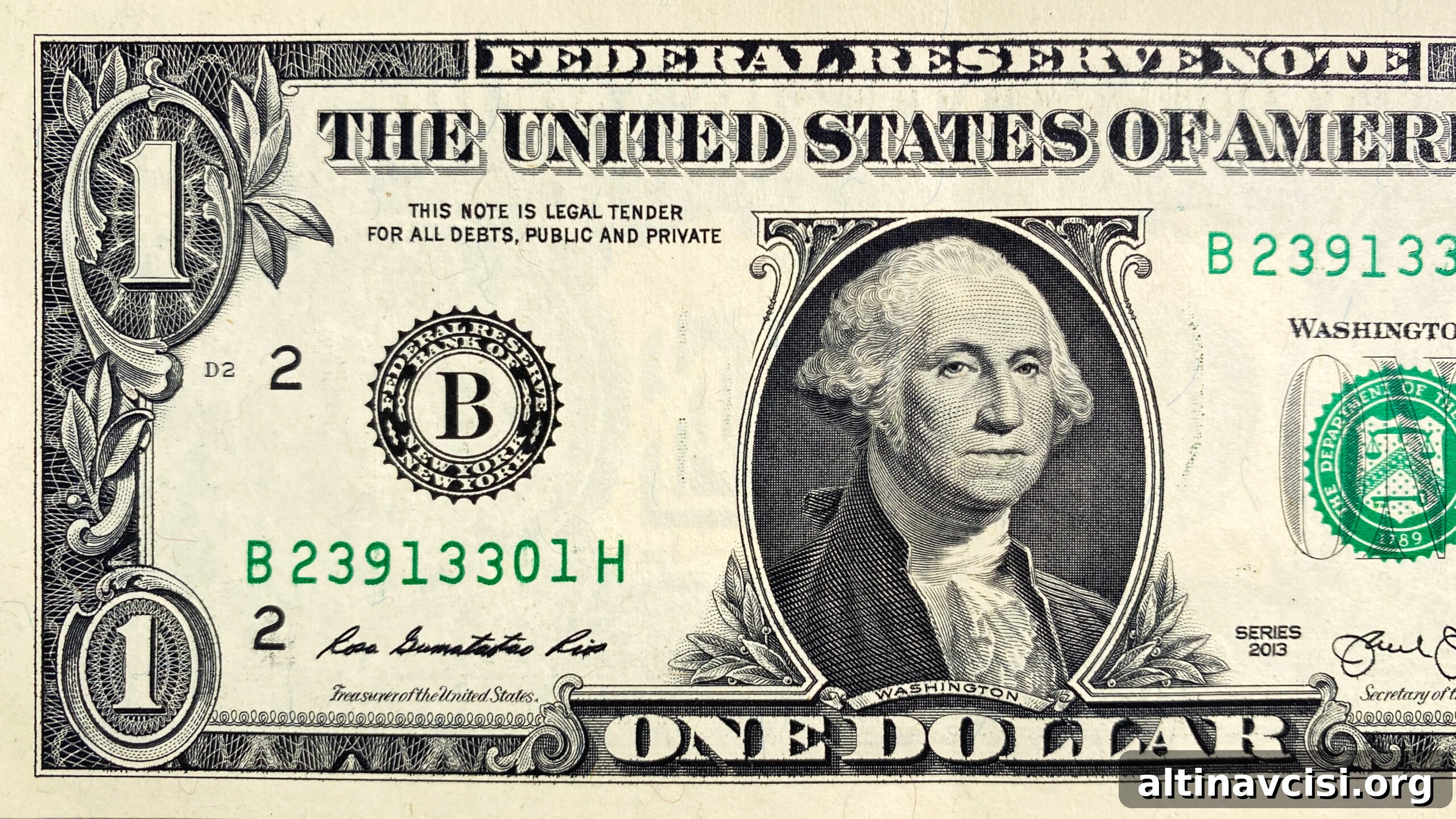
According to a recent report from the European Central Bank, the U.S. dollar’s position as the dominant global reserve currency has been gradually weakening. Over the past decade, the dollar’s share of global reserves dropped from around 68% to approximately 58%, and in 2024 alone it lost about two percentage points of market share.
Despite the dollar’s decline, the euro has not meaningfully expanded its reserve role. The euro’s share has held relatively steady at roughly 20%, leaving room for other assets and currencies to pick up the slack. Rather than a direct transfer to the euro, much of the shifting demand has gone toward smaller currencies and real assets.
One notable beneficiary of this reallocation is gold. Central banks across the world have materially increased their gold purchases as a defensive measure. In 2024 they bought over 1,000 metric tons—about double the average annual purchases seen over the previous decade. This pronounced rise in gold demand highlights growing concerns about geopolitical uncertainty and the desire among reserve managers to diversify away from traditional fiat holdings.
Market signals also point to a changing perception of U.S. assets. Investors appear to be pricing higher risk premiums for dollar-denominated instruments, which may reflect concerns about policy uncertainty, fiscal dynamics, or global political risks. Those higher premiums can create potential windows of opportunity for the euro if the currency can attract increased confidence from global reserve managers and investors.
In the near term, the outlook for reserve composition will likely depend on several factors: central banks’ risk assessments, the persistence of geopolitical tensions, and how monetary and fiscal policies evolve in major economies. If those trends continue, we may see further diversification away from the dollar, with a mix of smaller currencies, precious metals, and alternative assets gaining share. Whether the euro can convert this moment into sustained gains will hinge on structural policy credibility and the willingness of reserve managers to shift allocations over time.
Overall, the ECB’s findings underline a gradual but meaningful shift in global reserve behavior. The dollar remains the largest reserve currency, but its dominance has been eroded, while gold and a broader set of currencies now play a more prominent role in central bank portfolios.