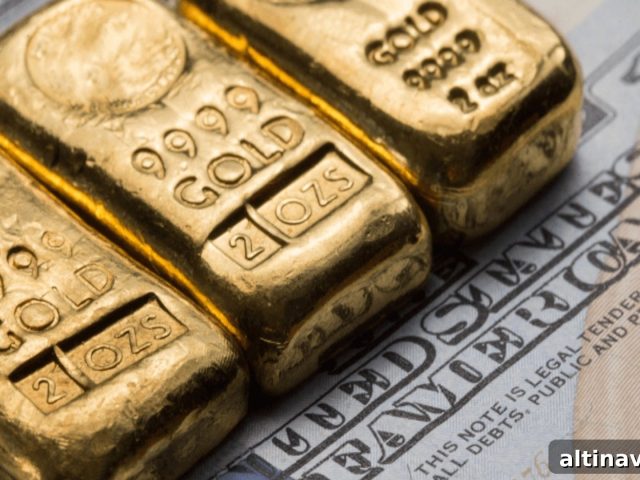
Gold Prices Surge as U.S. Fiscal Risks and Tariff Threats Mount

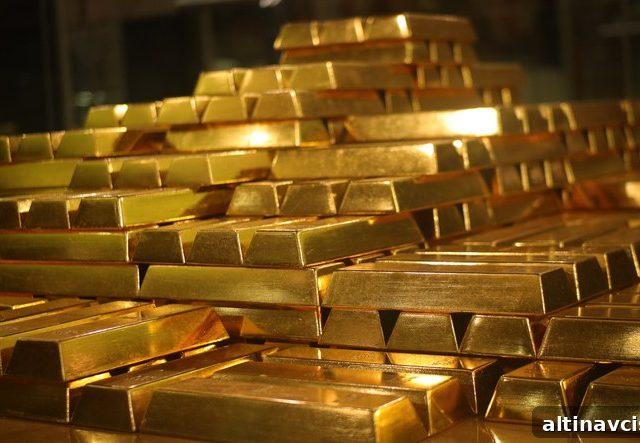
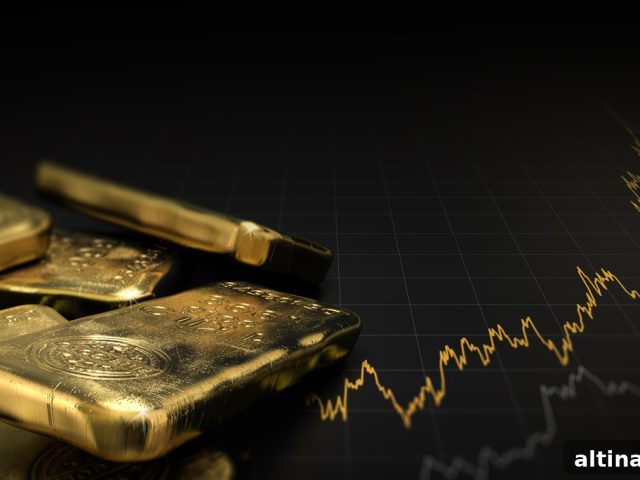
Gold prices climbed 1.9% on Friday, rising above $3,350 per ounce, and posted a nearly 5% gain for the week — the strongest weekly advance since early April.
Market Overview
Gold’s recent surge reflects growing investor concern about the broader economic and geopolitical environment. The metal’s move higher came amid heightened anxiety over the U.S. fiscal outlook and renewed trade tensions. As uncertainty increases, market participants commonly seek refuge in safe-haven assets, and gold has been among the primary beneficiaries of that demand.
Primary Drivers of the Rally
Several factors contributed to the upward pressure on gold prices. Investor unease about the U.S. fiscal trajectory—both the size of deficits and the sustainability of fiscal policy—has been weighing on risk sentiment. In such an environment, demand for assets perceived as stores of value typically rises.
At the same time, escalating trade tensions have compounded those worries. President Donald Trump’s proposal of a 50% tariff on European Union goods intensified concerns about global trade disruptions and potential retaliation. Trade disputes can slow economic growth, increase market volatility, and prompt investors to reallocate capital into assets that traditionally preserve purchasing power during turbulent periods.
Why Gold Benefits
Gold is widely regarded as a safe-haven asset. During periods of political uncertainty, heightened fiscal concerns, or global trade frictions, investors often shift from riskier securities to gold to protect capital. This reallocation increases demand and pushes prices higher.
Moreover, gold is seen as an effective hedge against currency weakness and inflationary pressures that might arise from loose fiscal policy or supply shocks tied to trade disruptions. Even without immediate inflationary signals, the anticipation of greater policy uncertainty can be enough to drive meaningful inflows into the bullion market.
Investor Behavior and Market Impact
Institutional investors and private individuals alike tend to respond to spikes in geopolitical risk by increasing exposure to gold through physical bullion, exchange-traded products, and other instruments. This behavior can amplify price movements, especially when several risk factors converge—such as fiscal concerns and trade escalation, as occurred recently.
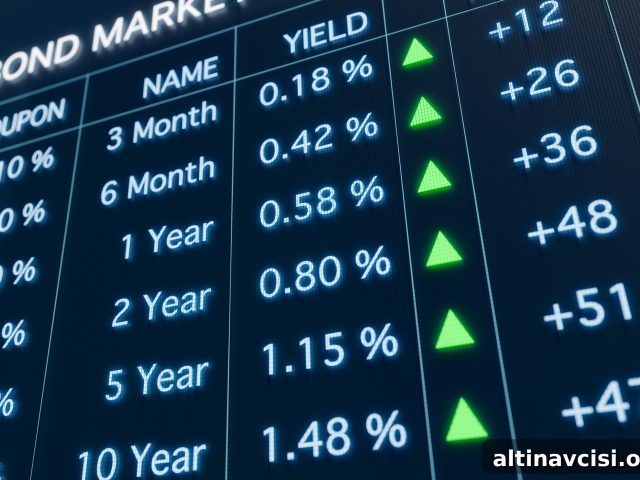
In addition to direct investment in gold, the metal’s rally may influence related markets. Higher gold prices can affect mining equities, influence demand for other safe-haven assets like government bonds, and shape currency flows. For traders and portfolio managers, rising gold often signals a shift toward capital preservation and adjustments in asset allocation to reduce vulnerability to downside market risk.
Outlook and Considerations
While recent gains have been significant, gold prices can remain volatile as new data on economic growth, fiscal policy, and trade negotiations emerge. Market participants should monitor developments closely, including any policy responses that may affect risk appetite, currency values, or inflation expectations.
It is also important to recognize that gold’s role as a safe haven does not guarantee uninterrupted appreciation. Prices can ebb and flow with changes in investor sentiment, interest rates, and macroeconomic indicators. Nonetheless, the current rally highlights how swiftly market dynamics can change when fiscal and trade concerns intensify.
Conclusion
The recent jump in gold prices—up 1.9% on Friday and nearly 5% for the week—underscores the metal’s status as a preferred refuge during periods of uncertainty. Concerns about the U.S. fiscal outlook and the impact of renewed trade tensions, amplified by the proposal of a 50% tariff on EU goods, have driven investors toward gold as a store of value and a hedge against heightened market risks. Going forward, the interplay between fiscal policy, trade developments, and investor sentiment will remain key determinants of gold’s trajectory.
Popular Topics
Picked from the archive
-
01
 Topics
Japan Urges G20 Action as US Tariffs Shake Global Markets
-
02
Topics
China Gold Demand Surges as Jewelry Sales Drop
-
03
Topics
Eroding Dollar Dominance: US Trade Policies’ Global Impact
-
04
Topics
Global Bond Markets Rally as Debt Issuance Patterns Shift
-
05
Topics
Reuters Poll: Gold Set to Extend Rally Through 2026
-
06
Topics
Gold Prices Fall 4% in Largest Weekly Drop Since November
-
07
Topics
Gold Prices Rebound Ahead of U.S. Jobs Report
-
08
Topics
Why Gold Still Outshines Bitcoin as a Store of Value