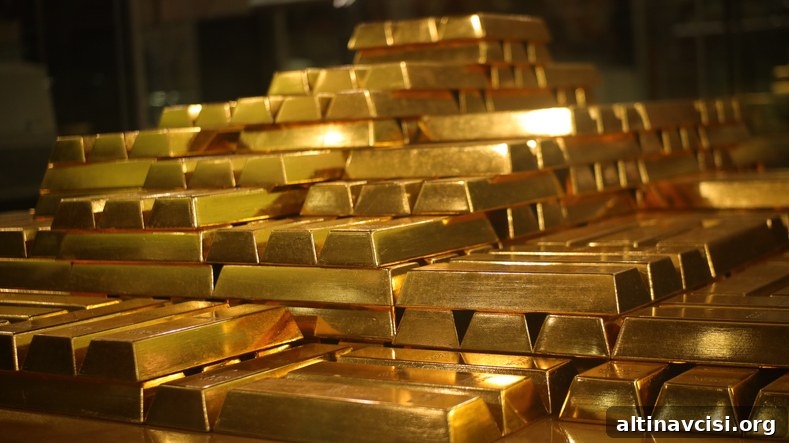
Gold surged after Israeli strikes on Iranian nuclear facilities, rising as much as 1.7% before easing later in the session. Israeli Prime Minister Benjamin Netanyahu said operations would continue until what he called the “threat” was removed. Iran responded with drone attacks and vowed strong retaliation, including the possibility of targeting U.S. assets despite Washington saying it was not involved.
Trading roughly $80 below its April peak of $3,500.10 per ounce, gold has climbed about 30% so far this year. That strong performance reflects several drivers: investors seeking a hedge amid uncertainty over U.S. trade policy under President Trump, ongoing tensions related to the war in Ukraine, and persistent buying by central banks. Softer U.S. economic data — which showed subdued inflation readings and a rise in unemployment claims — have also increased expectations for Federal Reserve interest-rate cuts, adding to gold’s appeal as a safe-haven and yield-sensitive asset.
Market participants say the combination of geopolitical risk and macroeconomic signals is propping up demand. Geopolitical events often push investors toward assets perceived as stores of value, while the prospect of lower interest rates reduces the opportunity cost of holding non-yielding bullion. Central banks, meanwhile, continue to accumulate reserves, supporting longer-term price momentum.
Traders will be watching upcoming economic releases and any further developments in the Middle East for clues about whether the recent gains will be sustained. If geopolitical tensions escalate or if economic indicators continue to point toward easing monetary policy, those factors could keep upward pressure on gold. Conversely, a rapid improvement in risk sentiment or stronger-than-expected inflation data could temper the metal’s advance.
In the near term, volatility is likely to remain elevated as markets price the interaction between geopolitics and monetary policy expectations. Investors weighing gold exposure should consider both the metal’s role as a hedge against political risk and its sensitivity to interest-rate moves and the dollar’s direction.