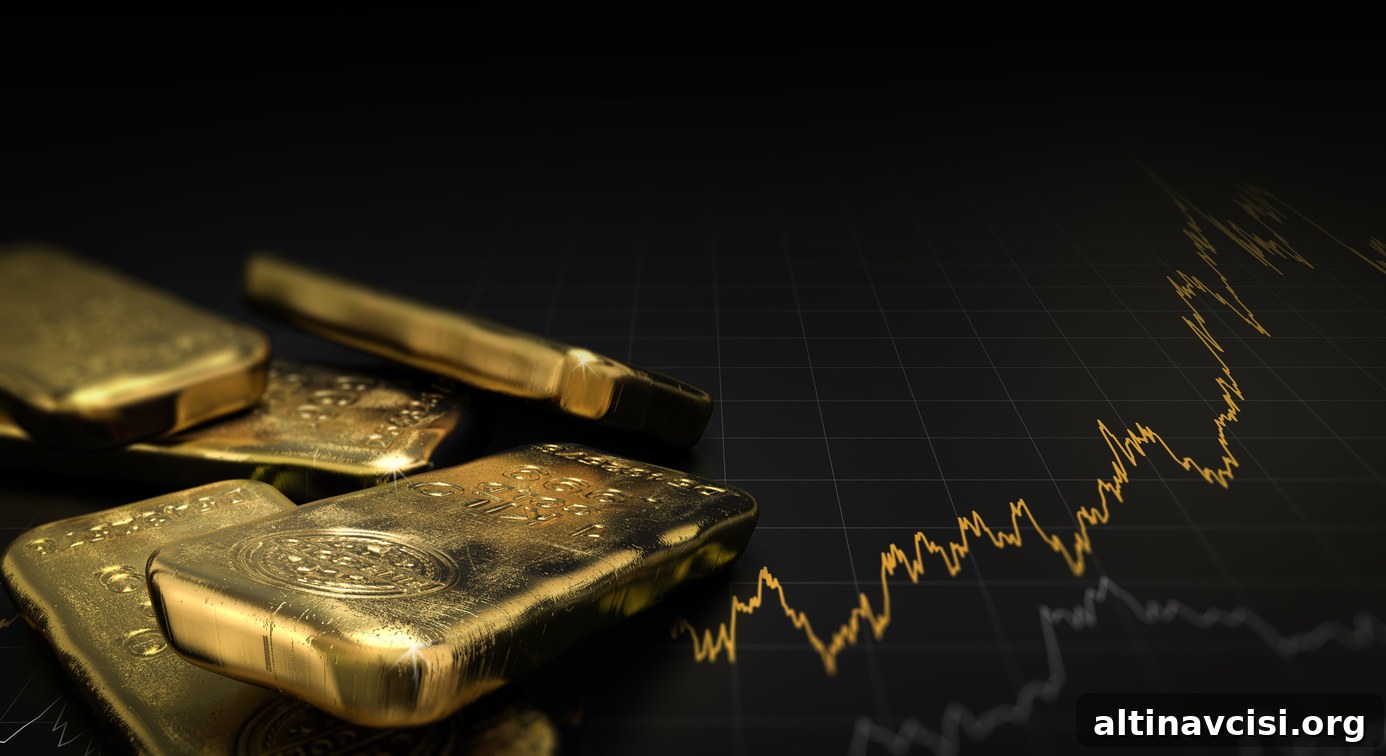
Gold remains near its record high of $3,057.49 per ounce as investors seek shelter amid rising market uncertainty. The prospect of a potential escalation in trade tensions, with the U.S. administration preparing to announce new tariffs on April 2, has pushed many market participants toward the precious metal as a traditional safe-haven asset. Year to date, gold has surged about 16%, recording multiple new highs in 2025 and building on strong gains from the prior year.
Geopolitical risks have added to gold’s appeal. Continued conflicts in the Middle East and ongoing hostilities in Ukraine have reinforced demand for safe-haven assets among global investors. In response, some major financial institutions have adjusted forecasts upward; Macquarie Group and others have raised their price targets, with some estimates reaching toward $3,500 per ounce, reflecting expectations of continued demand under persistent uncertainty.
Macroeconomic signals present a mixed backdrop. U.S. economic data has shown pockets of resilience, including healthy home sales and relatively steady jobless claims, suggesting parts of the economy remain robust. At the same time, market sentiment is cautious: investors still expect the Federal Reserve to begin cutting interest rates later in 2025 even after the Fed recently held rates steady and projected slower growth alongside elevated inflation. Those expectations can support higher gold prices because lower interest rates tend to reduce the opportunity cost of holding non-yielding assets like bullion.
In the latest trading session in Singapore, spot gold traded around $3,046.97 per ounce. Other precious metals showed modest variation: silver slipped slightly, platinum was largely unchanged, and palladium inched higher. These near-term movements underscore the market’s sensitivity to economic releases, central-bank guidance and geopolitical developments.
Investment flows into gold have also been influenced by portfolio diversification strategies. As equities and fixed income face volatility from policy shifts and geopolitical tensions, institutional and retail investors often increase allocations to gold to hedge against downside risk and inflation. Physical demand, exchange-traded fund flows and central-bank purchases can all contribute to price momentum when uncertainty rises.
Looking ahead, gold’s trajectory will likely remain tied to a combination of factors: the pace and scale of any trade actions, the evolution of geopolitical conflicts, the Fed’s policy path and real economic data. If tariffs and trade disputes escalate or geopolitical tensions intensify, safe-haven buying could propel prices further. Conversely, a clear path to disinflation and a more stable policy outlook from central banks could ease some of the premium that has driven gold to record levels.
For now, traders and investors continue to monitor incoming data and official statements closely, weighing the balance between resilient economic indicators and persistent risks that favor non-yielding stores of value. Gold’s recent performance highlights its role as a hedge in uncertain times and underscores why many market participants view it as a strategic component of diversified portfolios.