
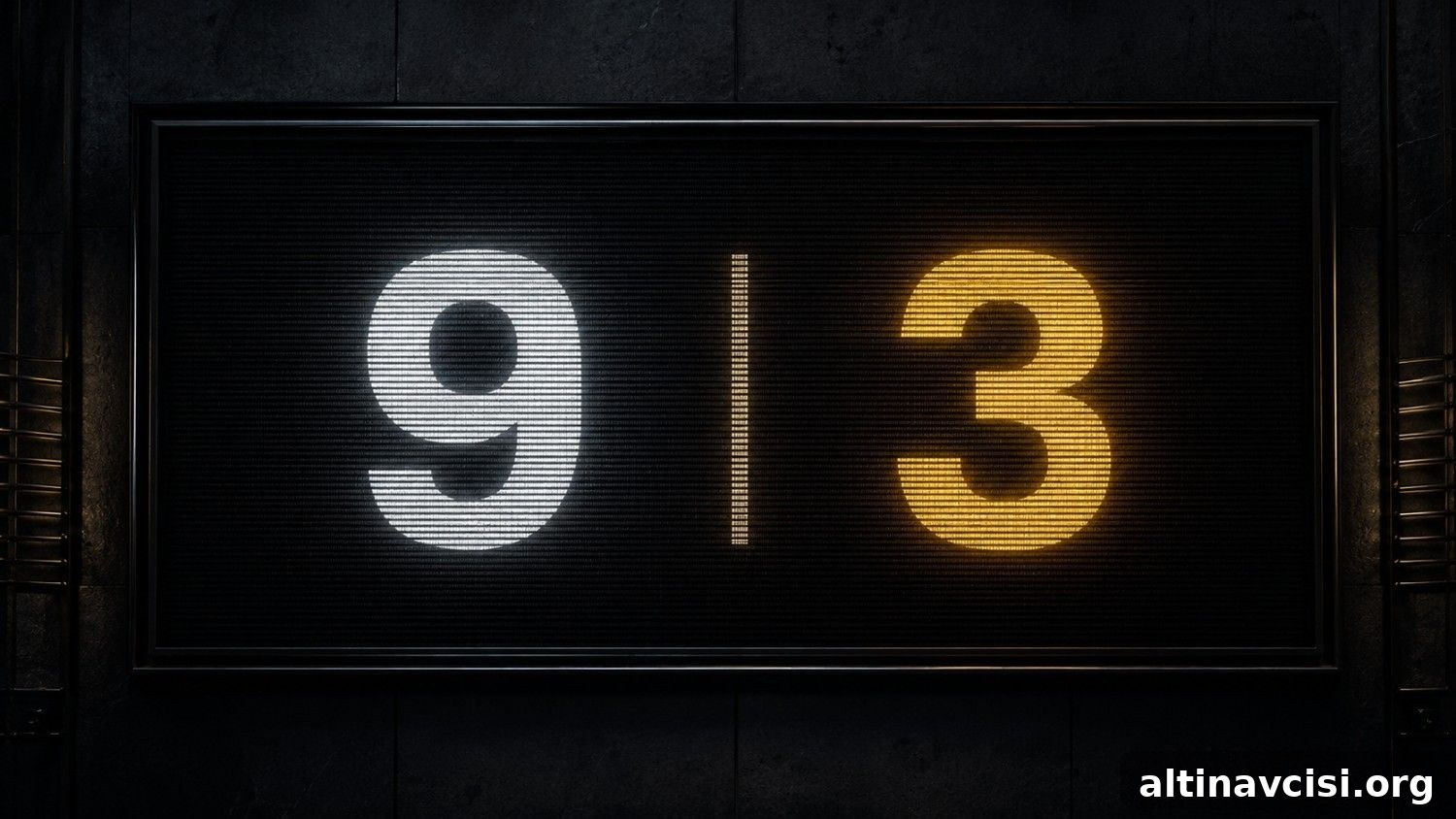
Three Federal Reserve officials entered Wednesday’s FOMC meeting convinced that interest rates should rise and cast their votes accordingly. The other nine members voted to hold. The result was a 9-3 decision to keep the federal funds rate at 3.50%–3.75% — the most divided Fed vote since September 2016.
Gold rose by more than $40 on the day in direct response to the split.
Below is a clear explanation of why the vote margin matters more than the headline hold.
What Did the Fed Actually Decide on July 29, 2026?
The Federal Open Market Committee held the federal funds rate steady at 3.50%–3.75%, the fifth consecutive meeting without a rate change since the three cuts late in 2025. Market participants generally expected a hold. What surprised investors and analysts was the margin: three votes in favor of a quarter-point increase versus nine votes to maintain the current target range.
The three dissenting voters were Beth Hammack of the Cleveland Fed, Neel Kashkari of the Minneapolis Fed, and Lorie Logan of the Dallas Fed. Each preferred a 25 basis point hike at this meeting and registered that preference in the FOMC statement, which noted the dissenters “preferred to raise the target range for the federal funds rate by ¼ percentage point at this meeting.”
That outcome is a sharp change from June, when the committee recorded a unanimous 12-0 hold. The move from total agreement to a 9-3 split in a single meeting signals rising internal pressure at the regional bank level, even though the Board of Governors and the chair’s position carried the majority. The distinction — that the dissents came from regional presidents rather than Board members — underscores a geographically based policy division within the committee.
Chair Kevin Warsh addressed the dissents at his press conference, describing the discussion as a robust internal debate and emphasizing the committee’s majority support for the decision.
The Edge Every Investor Needs
Smarter precious metals investing begins with timely analysis. The Nuggets Newsletter delivers market context, Fed updates, geopolitical developments, and education.
Why Is This the Most Fractured Vote Since September 2016?
Three unified dissents in a single direction have not appeared in an FOMC vote since September 2016. When multiple voters dissent together, it indicates the presence of a cohesive faction rather than isolated differences of opinion. That pattern matters for future meetings because it suggests organized momentum behind a particular policy preference.
Throughout 2026, Hammack, Kashkari, and Logan were consistently the most vocal advocates for tighter policy. They have repeatedly pointed to inflation remaining above the Fed’s 2% target as justification for higher rates. Analysts had expected some dissent but many forecasts anticipated a 10-2 split; Kashkari’s decision to join Hammack and Logan produced the three-way dissent instead.
This was only the second FOMC meeting under Chair Warsh. His first meeting produced a unanimous hold. The move from unanimity to a significant minority of dissenters in a single meeting suggests hawkish voices may be gaining confidence within the committee.
Why Does a Divided Fed Vote Move Gold?
Gold reacts to changes in expected real interest rates and the probability of rate hikes. When three prominent Fed officials publicly signal a desire for higher rates, markets increase the odds of another hike at the next meeting. Higher expected rates raise real yields, boosting the opportunity cost of holding non-yielding assets like gold. That dynamic explains swings in gold prices around Fed communication.
Ahead of the July meeting, rising odds for another increase pushed gold down sharply as traders priced in more tightening. After the hold, two forces moved gold higher: the committee’s decision removed an immediate hike from the table, and geopolitical events revived safe-haven demand.
On Wednesday morning, reports of ballistic missile activity involving the Islamic Revolutionary Guard Corps and U.S. forces in the region spurred a renewed risk-off reaction. Energy prices rose quickly, with Brent and WTI moving higher on the news. Geopolitical risk tends to lift gold for two reasons: investors add physical metal for wealth preservation, and higher oil creates upside pressure on headline inflation. Sticky headline inflation can complicate monetary policy and, paradoxically, strengthen near-term safe-haven demand for gold even as it raises the chance of future rate hikes.
By mid-afternoon Eastern Time, gold and silver had both moved higher on the session as markets balanced the Fed’s hold against rising geopolitical risk and energy-driven inflation concerns.
What Does the 9-3 Split Mean for Gold Heading Into September?
The 9-3 split makes September’s FOMC meeting more uncertain. The June dot plot showed that half of voting participants expected at least one hike before year-end. Three officials have now publicly signaled they are prepared to dissent in favor of a hike, which implies they may be cultivating broader support ahead of future meetings.
For gold there are two plausible paths:
1) If inflation continues to cool through the summer, the dissenters’ rationale weakens. Falling rate-hike odds would reduce real yields and strengthen the structural case for gold. Central-bank purchases and sovereign accumulation of gold would continue to support demand over the long term.
2) If oil prices remain elevated because of ongoing geopolitical tensions, headline inflation could stay sticky into August. That would increase the likelihood of additional Fed hawkish votes and make September a live meeting for another hike. In that scenario, higher real rates could weigh on gold in the near term, even while the long-term fiscal and monetary pressures that underpin the case for gold remain unchanged.
In short, the three dissenters are an important signal about internal Fed dynamics and near-term risk. The broader, long-term monetary arithmetic — rising debt levels and large interest obligations — continues to be the structural backdrop for gold.
SOURCES
1. Federal Reserve — FOMC Statement, July 29, 2026
2. CNBC — Coverage of Fed decision, July 29, 2026
3. Fox Business — July FOMC press coverage, July 29, 2026
4. Bloomberg — Reporting on FOMC dissent, July 29, 2026
5. U.S. Central Command — Statement on missile intercepts, July 29, 2026
6. CNBC — Oil price reaction coverage, July 29, 2026
7. Gold and silver live price providers — Spot price movement, July 29, 2026
8. CME Group — FedWatch Tool, July 2026
9. Bureau of Labor Statistics — June 2026 CPI release
10. World Gold Council — Central Bank Gold Reserves Survey 2026
Disclaimer: This article is informational only and is not financial or investment advice. Consult a qualified financial adviser before making investment decisions.
You May Also Like:
- Iran Fired Missiles. Oil Spiked. Gold Reacted. The Chain Behind the Move.
- Markets Watch the Fed: Key Data and What to Expect Next.
- Five Factors That Drove Gold Lower Before the FOMC.
- Why Consumer Confidence and Gold Prices Can Diverge.
- How Odds of a Fed Hike Influence Gold Prices.
- Why the Vote Tally Often Matters More Than the Decision.