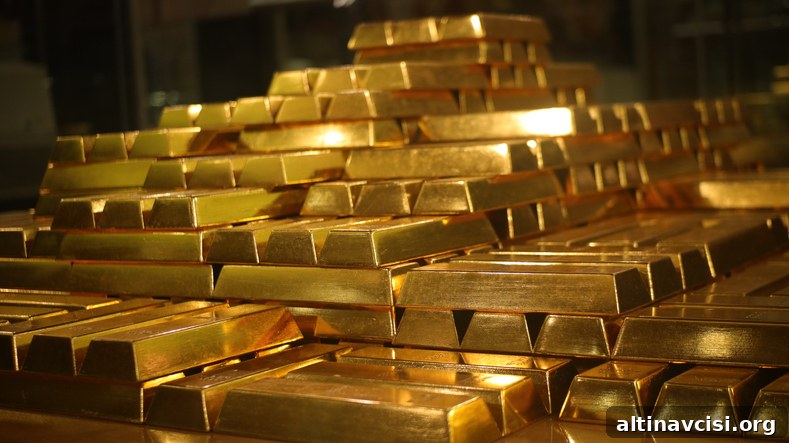
On Friday, spot gold fell to $3,343.00 per ounce (–0.7%) while U.S. futures slipped to $3,344.50 (–0.9%). The decline came as the U.S. dollar index rebounded from a two‑week low and benchmark 10‑year Treasury yields edged higher, reducing some of the safe‑haven demand that had supported bullion.
Markets reacted to several developments that suggested interest rates could remain elevated for longer. Traders welcomed reports that the U.S. and the EU are nearing a negotiated tariff agreement, and weekly U.S. jobless claims dropped to a three‑month low—both indicators consistent with a firmer economic backdrop. Those signals have pushed investors to price in a smaller chance of an imminent Fed rate cut. Although President Trump publicly urged Federal Reserve Chair Jerome Powell to lower rates, market pricing now points to a likely easing only by September.
Many analysts note that central bank purchases of gold continue to provide a structural floor for prices. Ongoing reserve diversification by some sovereigns supports demand, but most observers say a broader rally back toward analysts’ year‑end targets near $3,675 per ounce would probably need a renewed surge of ETF inflows and a clearer prospect of deeper or earlier Fed easing.
In the near term, gold’s direction will remain sensitive to U.S. macro data, Federal Reserve commentary, and shifts in Treasury yields and the dollar. Stronger economic prints or hawkish Fed signals tend to pressure bullion, while softer growth, rising geopolitical risk or evidence of sustained ETF demand could quickly restore upward momentum. Traders and investors will be watching upcoming inflation readings, payroll data and any fresh developments in U.S.‑EU trade talks for clues on the path of monetary policy and its implications for gold.