
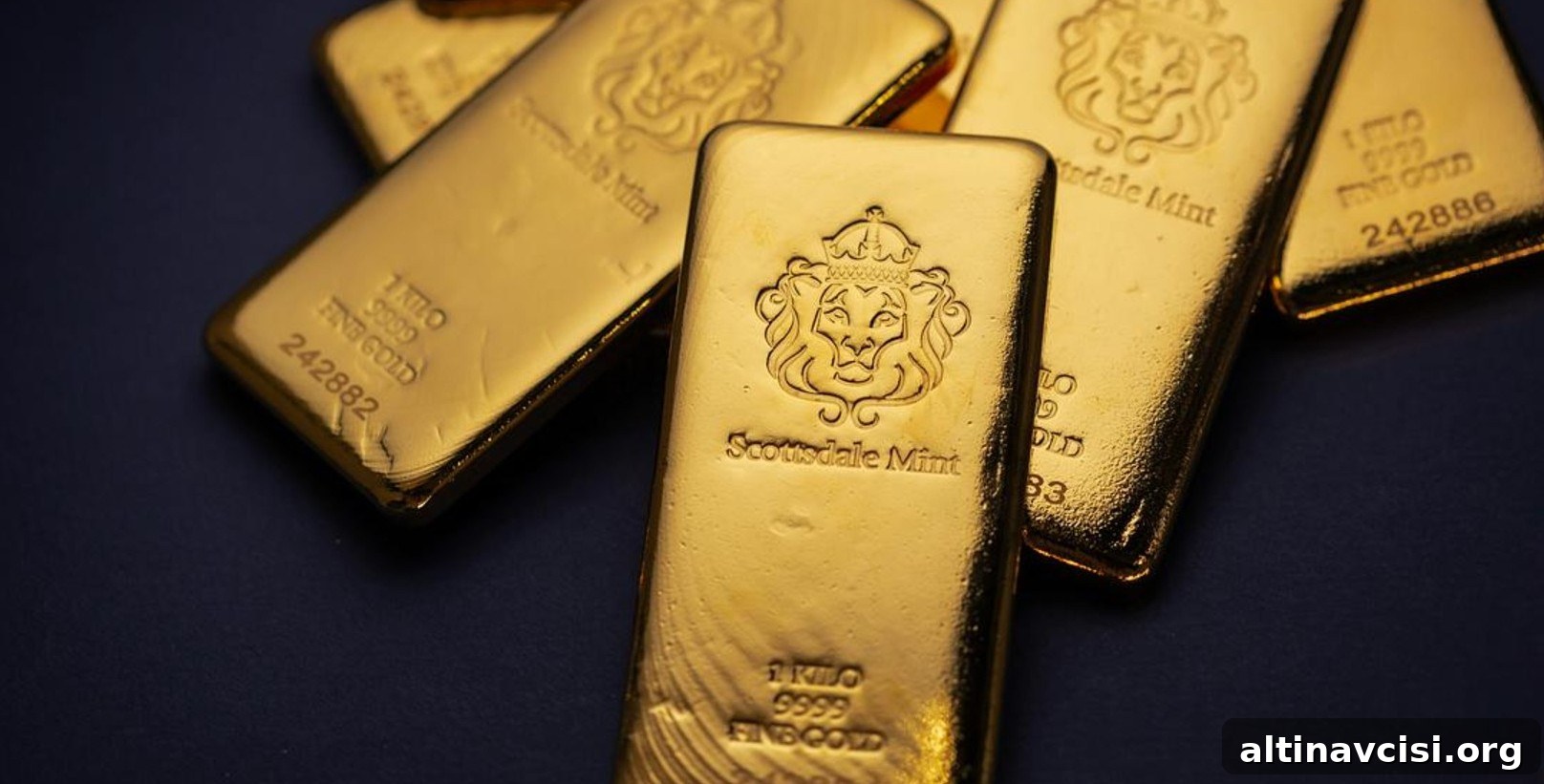
Gold prices are expected to dip this week after US wholesale inflation data for July came in hotter than analysts had forecast. The stronger-than-expected inflation reading trimmed market expectations that the Federal Reserve will cut interest rates in September. Where markets had previously priced in a near-certain cut, traders now place roughly a 90% probability on a September reduction.
Gold tends to do better in a falling-rate environment because lower interest rates reduce the opportunity cost of holding non-yielding assets like bullion. The shift in rate expectations therefore weighed on the metal and contributed to the recent downward move.
Even with the weekly decline, however, gold remains substantially higher year to date, up more than 25% on the year. That gain has been underpinned by a mix of factors, including ongoing geopolitical tensions that boost safe-haven demand and steady buying from central banks around the world. Central bank purchases have supported overall demand and helped offset some price weakness tied to changing interest-rate outlooks.
Investors will continue to monitor upcoming economic releases and central bank commentary closely. Any fresh signs of cooling inflation or dovish signals from the Fed would likely revive expectations for rate cuts and could support higher gold prices. Conversely, additional inflation surprises or stronger economic data that push back the timeline for easing would likely keep pressure on the metal.
Market participants also watch currency moves, particularly the US dollar, which often has an inverse relationship with gold. A firmer dollar can make dollar-priced gold more expensive for holders of other currencies and can contribute to price declines, while a weaker dollar tends to be supportive of gold.
In summary, the recent stronger wholesale inflation print reduced the probability of an imminent Fed rate cut and pressured gold prices in the near term. Nonetheless, broader drivers such as geopolitical uncertainty and central bank demand have kept gold comfortably higher over the course of the year, leaving the metal with a substantial year-to-date gain despite short-term volatility.