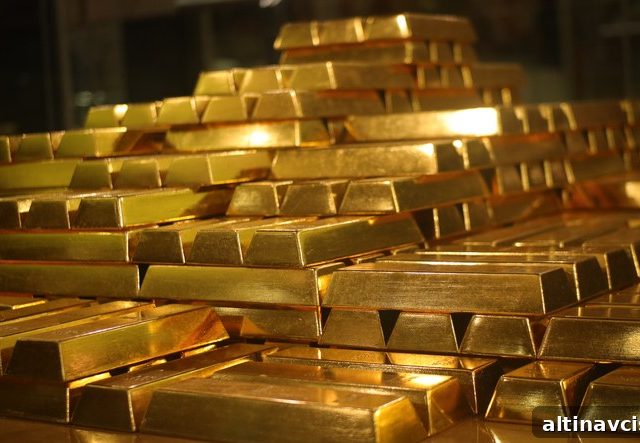
Gold Dips Before Fed Decision as Mideast Tensions Support Prices

Gold Prices Slip Ahead of Federal Reserve Decision
Gold prices edged down slightly on Wednesday as investors held a cautious stance ahead of the Federal Reserve’s interest rate announcement. While the Fed is widely expected to leave policy rates unchanged, markets are focused on any forward guidance that could indicate the timing and pace of future rate cuts. That anticipation has prompted traders to adopt a wait-and-see approach, limiting immediate directional moves in the gold market.
Market Sentiment and Expectations
Traders are watching the Fed closely for clues about monetary easing. Even though a rate pause is anticipated, investors want to know whether central bankers will signal confidence in cutting rates later in the year. Such signals tend to influence real yields and the U.S. dollar—two key drivers of gold prices. Low or falling real yields can reduce the opportunity cost of holding non-yielding assets like gold, supporting bullion prices, while a weaker dollar can make gold more attractive to overseas buyers.
Geopolitical Tensions Support Safe-Haven Demand
At the same time, the ongoing conflict between Israel and Iran remains a significant factor preventing a deeper pullback in gold. Geopolitical tensions traditionally boost demand for safe-haven assets, and bullion often benefits as investors seek to hedge against uncertainty. Even modest escalation or the risk of broader regional instability can keep a floor under gold prices, as market participants factor in the potential for sudden risk-off moves.
Central Bank and Chinese Buying Provide a Backstop
Despite the small decline on the day, many analysts expect gold to remain above the $3,000-per-ounce level. Their outlook is supported by continued buying from central banks, which have been diversifying reserves and adding to gold holdings in recent years. Central bank purchases provide steady, institutional demand that can absorb selling pressure and lend long-term support to prices.
Demand from Chinese investors also plays a critical role in the market. China is one of the world’s largest consumers of physical gold, and retail and institutional buying there tends to influence global flows. Strong interest from Chinese buyers, combined with central bank accumulation, contributes to a resilient demand backdrop that helps keep gold prices elevated even amid short-term market fluctuations.
What to Watch Next
In the near term, the Fed’s messaging will likely dominate market moves. Investors will parse language around inflation, growth prospects, and the committee’s outlook for policy adjustments. Beyond the central bank decision, developments in the Middle East and ongoing macroeconomic data releases will remain important for gold. Any renewed signs of geopolitical escalation or weaker-than-expected economic indicators could prompt fresh inflows into bullion.
Overall, the current combination of cautious monetary policy expectations, persistent geopolitical risks, and steady institutional and retail demand suggests that gold is likely to retain significant support. While minor intraday declines can occur as traders reposition ahead of major announcements, the broader fundamentals point toward continued interest in gold as a hedge against uncertainty and a strategic reserve asset.
Popular Topics
Picked from the archive
-
01
 Topics
Gold Drops as Israel-Iran Tensions Escalate
-
02
Topics
Copper Market Races to Meet August 1 Tariff Deadline
-
03
Topics
Treasury Yields Slip Ahead of U.S.-China Summit in London
-
04
Topics
Fed’s Inflation Gain May Be Short-Lived as Tariffs Loom
-
05
Topics
Incrementum In Gold We Trust Report: Gold Market Outlook
-
06
Topics
RBA Warns Inflation Risks Remain Despite Current Calm
-
07
Topics
Gold Price Tops $3,350 on Tariff Fears, Ukraine Tensions
-
08
Topics
Copper Inventories Drop 80% Amid US Tariff Fears, Supply Crisis