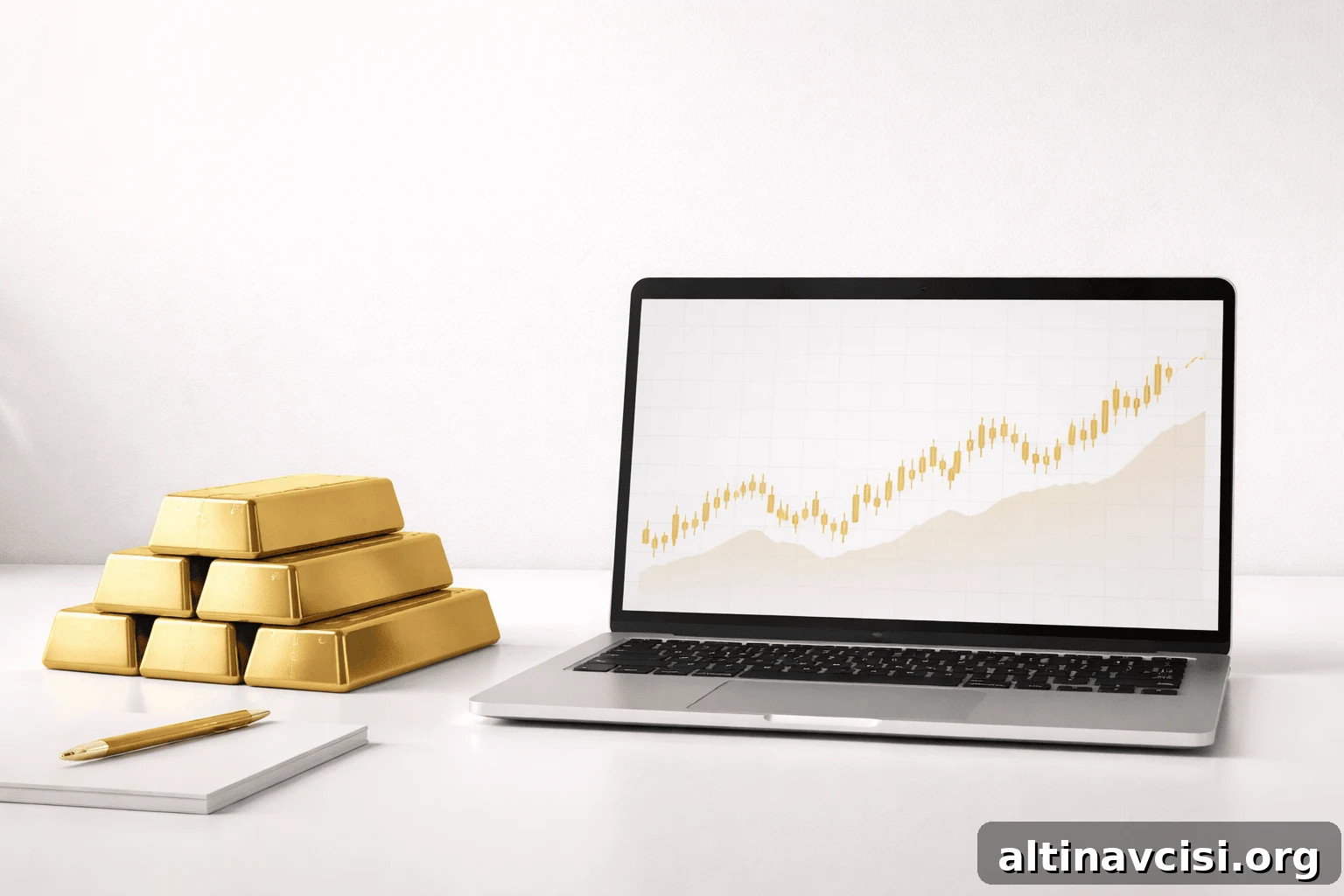
Goldman Sachs Raises Gold Target to $5,400
Goldman Sachs has raised its year-end gold forecast to $5,400 per ounce, up from a prior target of $4,900. The firm expects private investors seeking protection from macroeconomic and policy risks to maintain their positions through 2026 rather than liquidate them.
Central banks continue to be significant buyers, with many emerging-market authorities likely to add roughly 60 tonnes to reserves this year as they diversify away from other assets. Gold has already climbed about 11% in 2026 after a dramatic 64% gain last year.
Other major institutions are similarly bullish: JPMorgan projects $5,055 per ounce, while some independent research outfits have even higher targets. The broad consensus among institutional investors suggests the market is positioning for higher prices — whether through physical metal, ETFs, or mining stocks — and that the current rally still has momentum.
The Financial System Isn’t Safer — And You Know It
As risks mount, see why gold and silver are projected to keep shining in 2026 and beyond.
US Economy Grew 4.4% in Q3 — Fastest Pace in Two Years
Today’s economic data delivered a mixed picture for markets. The US economy expanded at a revised 4.4% annual rate in the third quarter, up slightly from the initial 4.3% estimate. Consumer spending, exports, government outlays and investment all contributed to the stronger reading.
The upward revision mainly reflected stronger exports and higher investment, although consumer spending was revised down. Corporate profits rose significantly during the quarter, adding to the upbeat headline numbers.
Solid GDP growth complicates the Federal Reserve’s policy outlook. Strong growth alongside inflation that remains above the 2% target suggests that rate cuts may come more slowly than investors expect. For gold, the ideal scenario for a sustained surge tends to be slower growth with persistent inflation — a mix that keeps real yields low and supports demand for non-yielding safe havens. In the near term, stronger growth tilts the balance toward higher-for-longer rates, which can pressure gold and other non-yielding assets.
Beneath the headline figures, however, labor-market indicators and hiring patterns tell a more nuanced story.
“Frozen Lake” Economy: Strong Jobs Data, But No One’s Hiring
Initial jobless claims were reported at 200,000 this week, below some expectations and reinforcing a narrative economists have labeled the “frozen lake” economy — a surface that appears stable while underlying activity is muted. Firms are often reluctant to shed staff but are also cautious about expanding payrolls aggressively.
The quits rate has fallen to multi-year lows as workers prioritize security, and monthly job creation has cooled to a more modest pace. That combination suggests an economy that avoids sharp downturns but also lacks vigorous expansion — a backdrop that can support safe-haven demand if growth weakens without immediate rate relief from the Fed.
This restrained labor dynamic contrasts with political rhetoric that portrays the economy as sharply accelerating; for investors in gold, the sustainability of any “Goldilocks” balance between inflation and growth remains uncertain, and shifts toward contraction could quickly change the metals outlook.
Trump Claims “Victory” Over Inflation — Economists Push Back
President Trump recently declared that inflation has been “defeated,” citing improvements in some consumer cost measures. Official statistics, however, show inflation still above the Federal Reserve’s 2% goal, with core inflation remaining elevated. Certain categories, such as mortgage rates, have eased from recent highs, but overall price pressures have not decisively returned to target.
Policy actions and tariffs complicate the picture. While some measures can lower specific costs, other factors — including tariffs and supply constraints — can add to household expenses. For precious-metals investors, persistent inflation expectations maintain gold’s appeal as an inflation hedge, since real interest rates and inflation momentum are key drivers of demand.
That inflation backdrop helped power last year’s record rally in gold and silver, though geopolitical developments and policy shifts continue to influence short-term moves.
Gold Eases as Trump Softens Greenland Stance
Gold retreated from recent record highs after President Trump signaled he would delay tariffs on European nations opposing plans related to Greenland, and described progress toward a framework for a potential agreement over the Danish territory. The metal peaked near $4,888 an ounce before pulling back on the news.
Geopolitical tensions earlier in the cycle significantly contributed to gold’s rally — the metal experienced substantial gains over the past twelve months, supported by central-bank buying and global uncertainty. Silver also reached multi-year highs before giving back some gains. Analysts have characterized the move as driven by concerns about currency debasement and geopolitical risk premiums.
Despite the pullback, many commodity strategists still view the bull market as intact. Expectations for future rate cuts, ongoing geopolitical flashpoints, and steady central-bank purchases continue to underpin the long-term thesis for precious metals. Goldman Sachs’ updated $5,400 target reinforces the view that short-term dips may present buying opportunities rather than signal a trend reversal.
Stay On Top of Gold & Silver Prices
Get important market alerts sent straight to your inbox.
You May Also Like
- Gold Hits New Record; $5,000 Target in Sight
- Gold Clears $4,700 on Global Turmoil
- Central Banks Keep Buying Gold at Record Prices
- Silver Eyes $100 as Geopolitical Tensions Explode
- Silver Breaks $92; Citi Eyes $100 by March