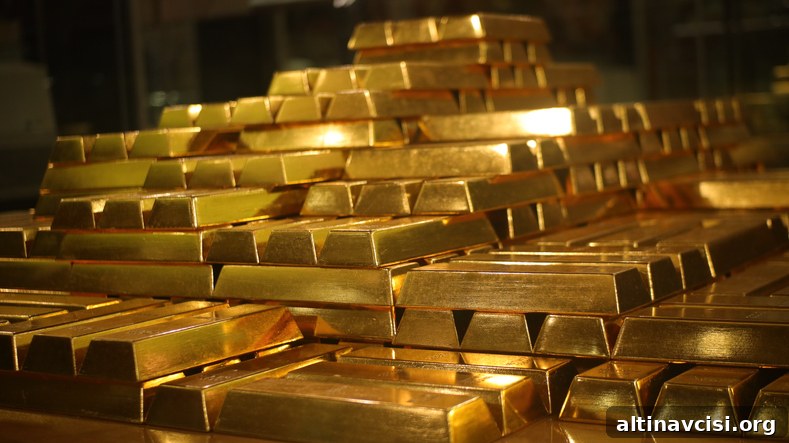
Gold prices may be only at the beginning of a much larger advance. Even after a recent pullback to roughly $3,200 per ounce, fund manager Jim Luke calls a $5,000 price target by the end of the decade a “frankly conservative” projection.
What’s driving that view?
Strong and growing demand from China, sustained purchases by central banks in emerging markets, and consistent accumulation by buyers across the Middle East are the primary engines behind the ongoing rally. At the same time, many Western investors have not yet fully participated, leaving potential for further inflows that could magnify upward pressure on prices.
Luke envisions a scenario in which these diverse sources of demand converge, tightening physical supply and lifting the market. That process could be reinforced by rising global debt burdens, persistent geopolitical risks that boost the appeal of safe-haven assets, and a mining sector that many analysts consider undervalued relative to the metal itself. Taken together, those factors suggest the current bull market in gold may have considerable room to run.
Investors watching the metal should pay attention to central-bank buying patterns, reported demand from major consuming nations, and changes in the cost structure for producers. If central banks continue to diversify reserves into gold and if physical demand from large consumers remains strong, price discovery could accelerate quickly—especially if Western financial players begin to increase allocations to the metal in response to geopolitical or macroeconomic surprises.
Mining equities also merit consideration. If the market begins to price in higher spot gold values, mining stocks could offer leveraged exposure to a rising metal price, though they carry operational and jurisdictional risks that differ from owning bullion. For many market participants, a combination of physical gold, exchange-traded products, and selective mining investments provides a balanced way to access potential upside while managing specific risks.
Ultimately, the outlook for gold depends on the interaction of supply, demand and broader macro drivers. Current momentum reflects a rare alignment of persistent physical buying and macroeconomic uncertainty. If that alignment persists—or intensifies—the metal’s next leg higher could be substantial, supporting the argument that today’s bull market may be far from over.