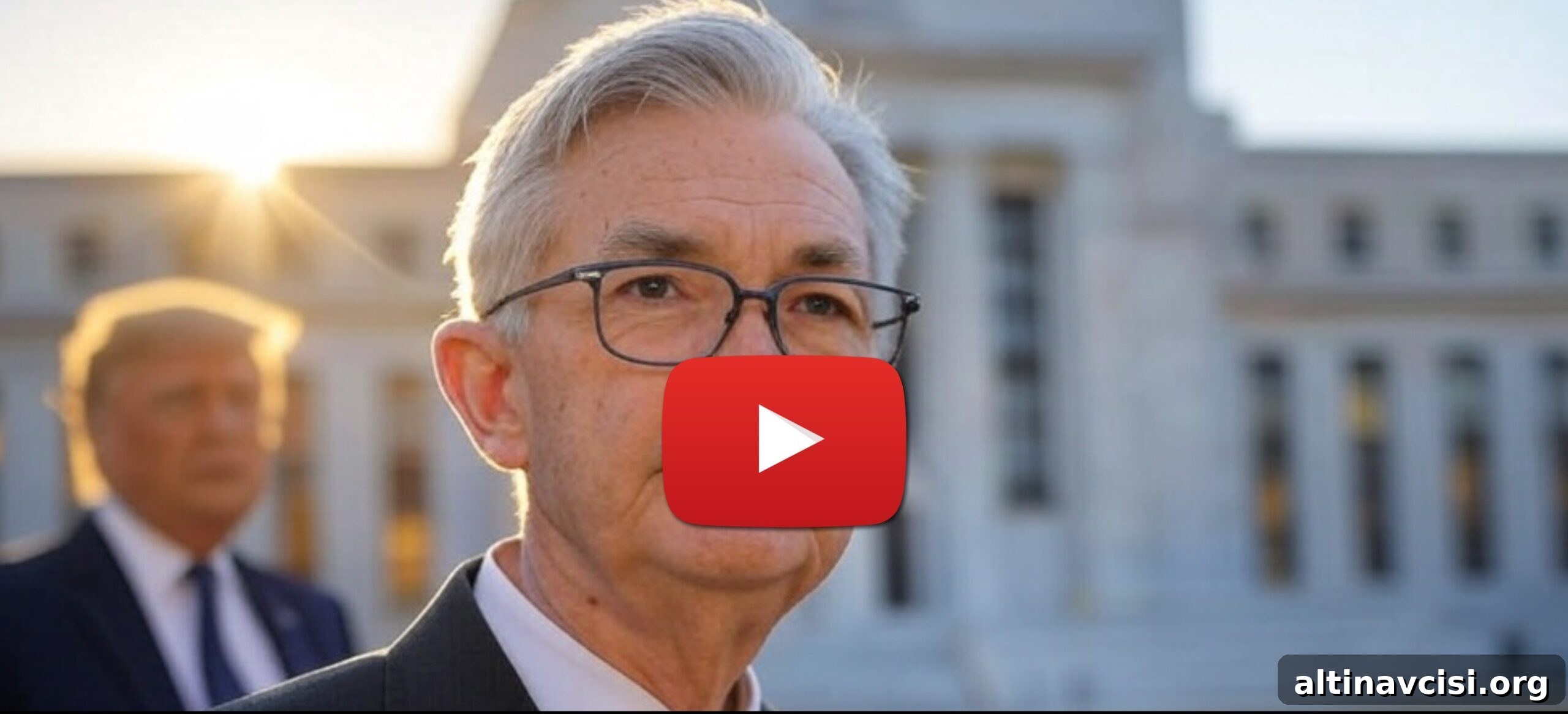
The Federal Reserve is maintaining its current monetary policy as officials evaluate how recently imposed tariffs might affect the U.S. economy, Minneapolis Fed President Neel Kashkari said.
Speaking at an event in Wisconsin, Kashkari noted that recent inflation readings have been encouraging: the Fed’s preferred measure of inflation fell to 2.1% in April. Despite that improvement, he stressed the central bank needs more time to determine whether tariffs will push prices higher before moving to cut interest rates.
That careful approach mirrors comments from Fed Chair Jerome Powell in testimony to Congress, where he signaled there is no urgency to lower rates. Federal Reserve officials remain divided on the timing of potential rate cuts this year. While inflation has eased recently, Fed forecasts suggest it could drift up again—possibly near 3% by the end of the year—so policymakers are proceeding cautiously.
Kashkari’s remarks underscore the balance the Fed is trying to strike: acknowledging progress against inflation while not assuming recent gains will persist if trade-policy changes feed through to consumer prices. The central bank’s decisions will depend on incoming data, including how tariffs influence costs for businesses and households, wage trends, and broader economic activity.
Market watchers and policymakers alike are watching several indicators to gauge the outlook for monetary policy. Continued disinflation would increase the likelihood of rate reductions, but any sign that tariff-related price pressures are intensifying could delay easing. Given that uncertainty, the Fed is choosing to wait for clearer signals before adjusting policy, aiming to avoid premature moves that could undermine price stability or economic growth.