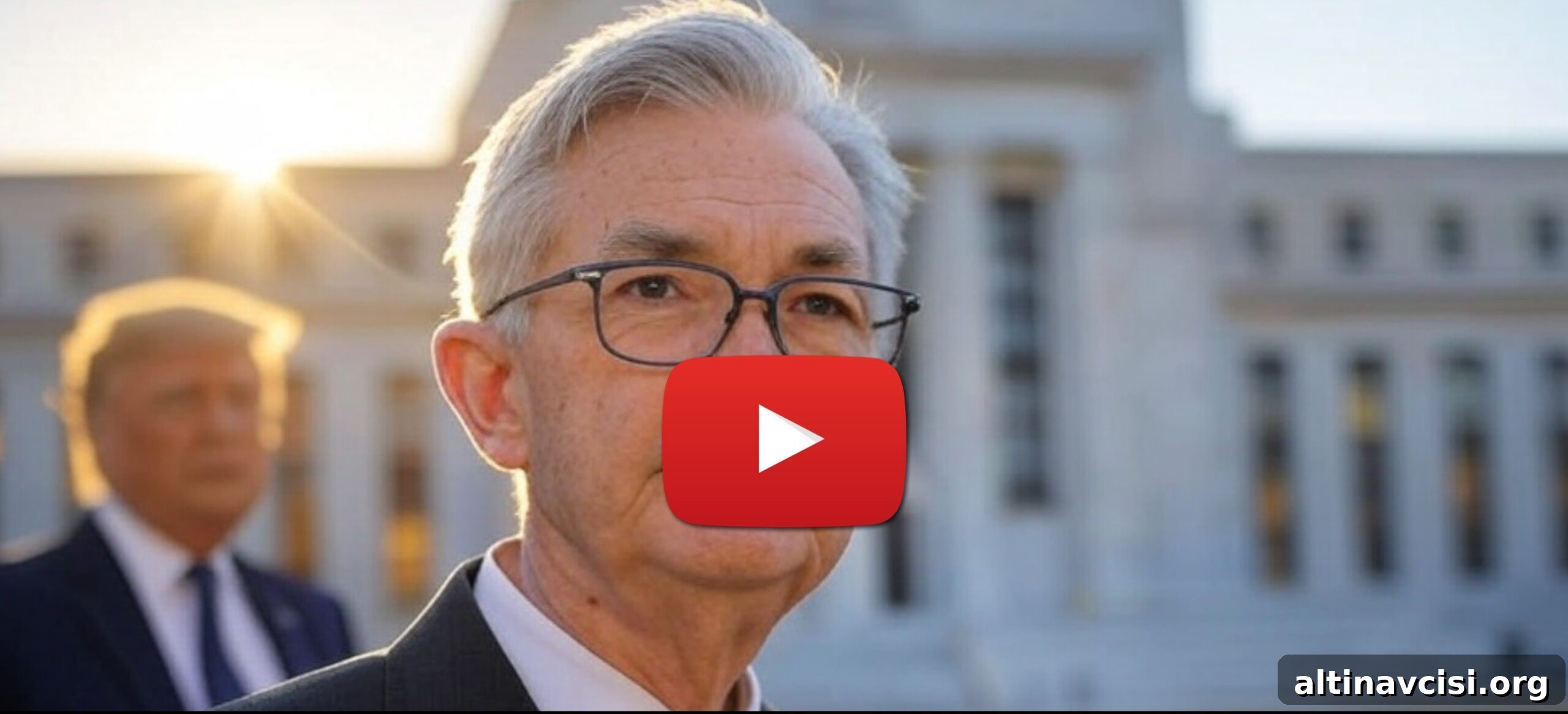
Federal Reserve Chair Jerome Powell defended the Fed’s cautious stance before Congress, explaining why officials have kept the benchmark federal funds rate at 4.25%–4.50% despite public pressure from President Trump. Powell said the central bank needs clearer evidence about how the administration’s shifting tariff policies will affect inflation and economic growth before making any changes to policy.
President Trump has attacked Powell on social media, calling him “dumb” and “hardheaded” for not cutting rates to lower government borrowing costs. Powell responded by emphasizing that monetary policy decisions must be guided by data and a careful assessment of risks, not political considerations.
Powell noted that tariffs are likely to raise consumer prices and could weigh on economic activity, but he stressed the uncertainty around the magnitude and timing of those effects while trade measures continue to evolve. That uncertainty, he said, counsels patience in deciding if and when to ease policy.
Several Fed colleagues have taken a more optimistic view on the timing of potential rate cuts. Governors Christopher Waller and Michelle Bowman, among others, have suggested a cut might be appropriate as soon as July if incoming data and the impact of tariffs remain limited. Despite those differing views on timing, most officials agree on the need to monitor how trade developments feed through to prices and growth.
Overall, Powell described the U.S. economy as fundamentally healthy, pointing to a strong labor market and ongoing consumer spending. At the same time, inflation is still running somewhat above the Fed’s 2% target, reinforcing the need for a deliberate, evidence-based approach to any future rate adjustments.