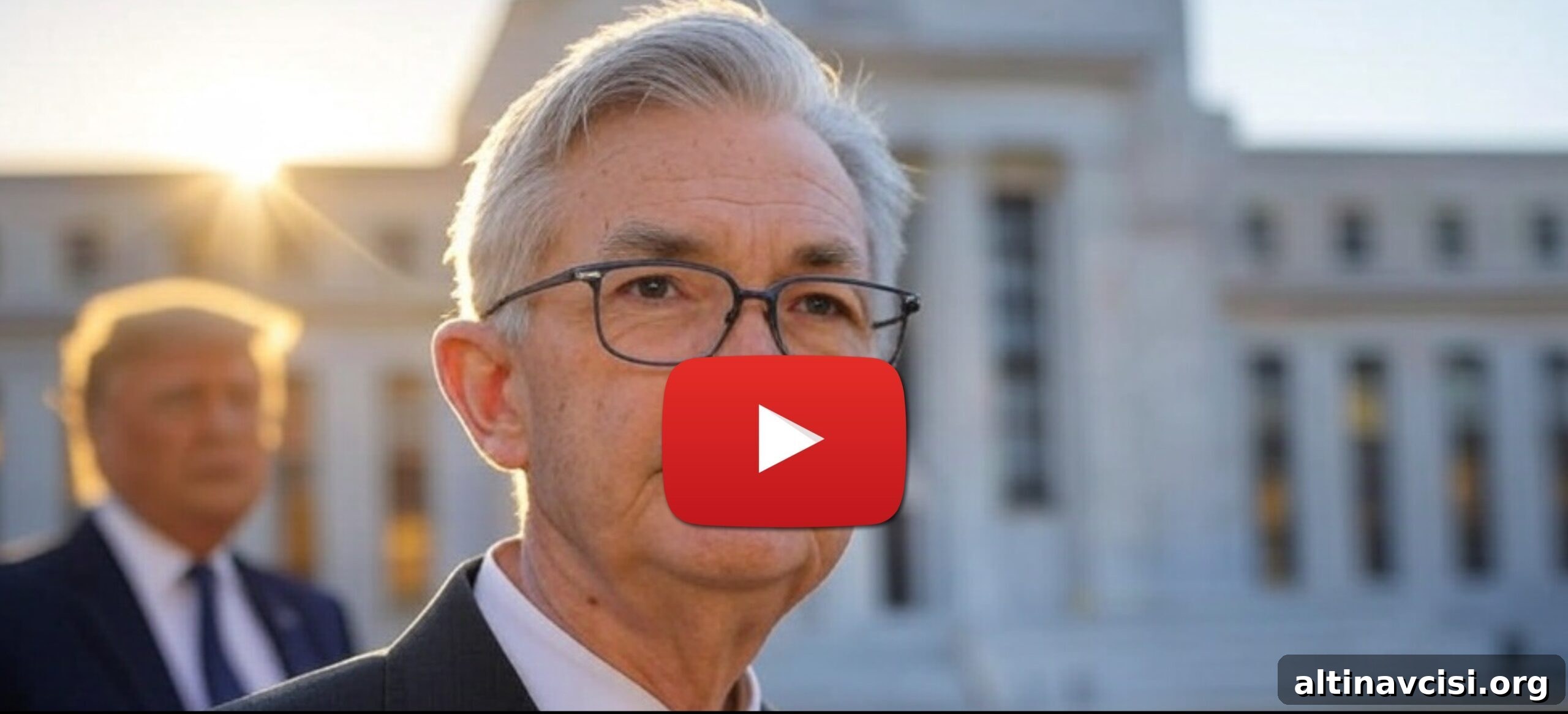
President Trump is publicly urging the Federal Reserve to cut interest rates, but market expectations and economists broadly anticipate that the Fed will hold rates steady at its upcoming May 7 meeting.
Although the president has criticized the Fed on social media, calling its policy decisions “TOO LATE AND WRONG,” most analysts expect no change in the target federal funds rate. Current forecasts point to a roughly 97% probability that the Fed will keep the benchmark rate in the 4.25%–4.50% range.
Macroeconomic indicators present a mixed picture. Recent GDP figures have shown weakness, suggesting the economy is losing momentum, while labor market data remain relatively robust, with strong job creation and low unemployment. This combination leaves policymakers weighing the risks of easing too soon against the danger of tightening further and tipping the economy into recession.
Economists are also monitoring trade policy as a key risk to growth. Elevated tariffs, including a substantial duty of 145% on certain imports from China, are cited by some analysts as a factor that could raise costs for businesses and consumers, disrupt supply chains, and increase the likelihood of a slowdown. These trade measures complicate the Fed’s decision-making by creating additional uncertainty about future inflation and growth paths.
Given the current data—soft GDP on one hand and a resilient labor market on the other—many market participants expect the Fed to prioritize stability and hold rates steady in May while continuing to assess incoming economic reports. Any future change in policy will likely depend on whether inflationary pressures re-emerge, growth improves, or downside risks from trade and other areas intensify.