Daily News Nuggets | Today’s top stories for gold and silver investors
December 11th, 2025
Fed Delivers Third Rate Cut of 2025, Signals Caution Ahead
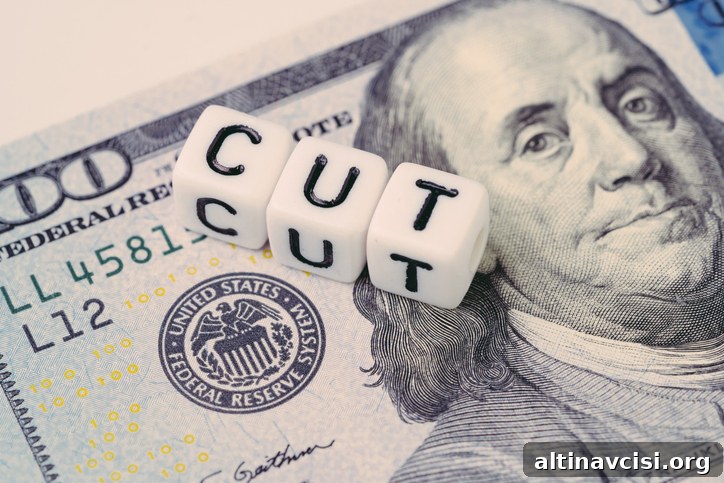
The Federal Reserve cut interest rates by 25 basis points Wednesday, lowering the policy range to 3.50%–3.75% — its third straight cut since September. The decision exposed divisions within the Committee: three policymakers dissented, two opposing any cut and one calling for a 50-basis-point reduction.
Chair Jerome Powell described the situation as “challenging.” The Fed is trying to support a weakening labor market without reigniting inflation, which remains stubbornly above the 2% target in part because of tariff-driven price pressures. The central bank’s latest projections show only one additional cut penciled in for 2026, signaling that future easing is not guaranteed.
This uncertain path matters for precious metals. Gold and silver tend to benefit when real yields fall and economic uncertainty rises. If the Fed pauses further cuts while inflation stays elevated, investors may continue to seek shelter in bullion, sustaining demand for both metals.
Silver Smashes Record High After Fed Decision
Silver surged to an all-time high of $62.89 per ounce following Wednesday’s rate cut, extending a remarkable 2025 rally that has pushed the metal up more than 113% this year — its strongest annual performance since 1979 and far outpacing gold’s gain of roughly 59%.
Three main forces are fueling the rise. A severe supply squeeze that began in October has tightened available stocks. Industrial demand, particularly from solar-panel manufacturing and electric vehicle production, continues to climb. And the U.S. designation of silver as a critical mineral has added strategic and policy-driven demand.
Some metal has flowed into London vaults to help relieve the shortage, but borrowing costs for silver remain unusually high, indicating the squeeze is not fully resolved. At the same time, Chinese inventories are near decade lows. Lower interest rates make non-yielding assets like silver more attractive, and the relatively small, volatile silver market has drawn speculators treating it as a leveraged play on precious metals.
Fed Resumes Treasury Purchases to Support Markets
Alongside cuts, the Fed is restarting Treasury purchases to inject liquidity into money markets. The central bank plans an initial $40 billion purchase this Friday and intends to maintain elevated buying into early 2026. After pausing balance-sheet runoff in October, the Fed is again expanding its holdings.
Analysts describe the move as a form of “stealth” easing: buying Treasuries raises bond prices and puts downward pressure on yields without changing the policy rate. The aim is to ensure ample reserves in the banking system during a period of uncertainty.
For gold and silver, an expanded Fed balance sheet typically weakens the dollar and boosts liquidity, both of which tend to support precious-metal prices. Continued purchases into next year would likely be a steady tailwind for bullion markets.
Why the Next Fed Chair Could Change Everything
Jerome Powell’s term ends in May 2026, and the debate over his successor has intensified. One prominent candidate is Kevin Hassett, who served as director of the National Economic Council. Prediction markets have heavily favored his appointment.
Hassett has signaled he would favor aggressive rate cuts, a stance that aligns with the administration’s push for substantially lower borrowing costs. That prospect has raised concerns about the Fed’s independence, especially after public comments suggesting rate-cutting preferences would influence the selection.
A Fed led by someone intent on prioritizing growth and cheaper credit could change the policy landscape materially. For gold and silver investors, that environment — lower real yields and easier monetary policy — would historically be supportive, potentially extending the metals’ rallies.
U.S. National Debt Crosses $38 Trillion
The U.S. national debt surpassed $38 trillion in October, marking the fastest trillion-dollar increase outside the pandemic period. The milestone came amid political and budgetary strain, including a government shutdown, underscoring the worsening fiscal picture.
To put the scale in perspective: the debt translates to roughly $112,000 per person and nearly $285,000 per household, and its size rivals the combined economies of several major countries. Interest payments on that debt are approaching $1 trillion annually, outpacing major budget items such as Medicare and defense.
Rising debt and persistent fiscal deficits have direct implications for households through higher borrowing costs, stagnant real wages, and diminished purchasing power as inflation persists. For investors, mounting debt and currency concerns help explain why gold has remained near record levels: long-term investors view it as a proven store of value when fiscal and monetary risks rise.
Stay On Top of Gold & Silver Prices
Get important market alerts sent straight to your inbox.