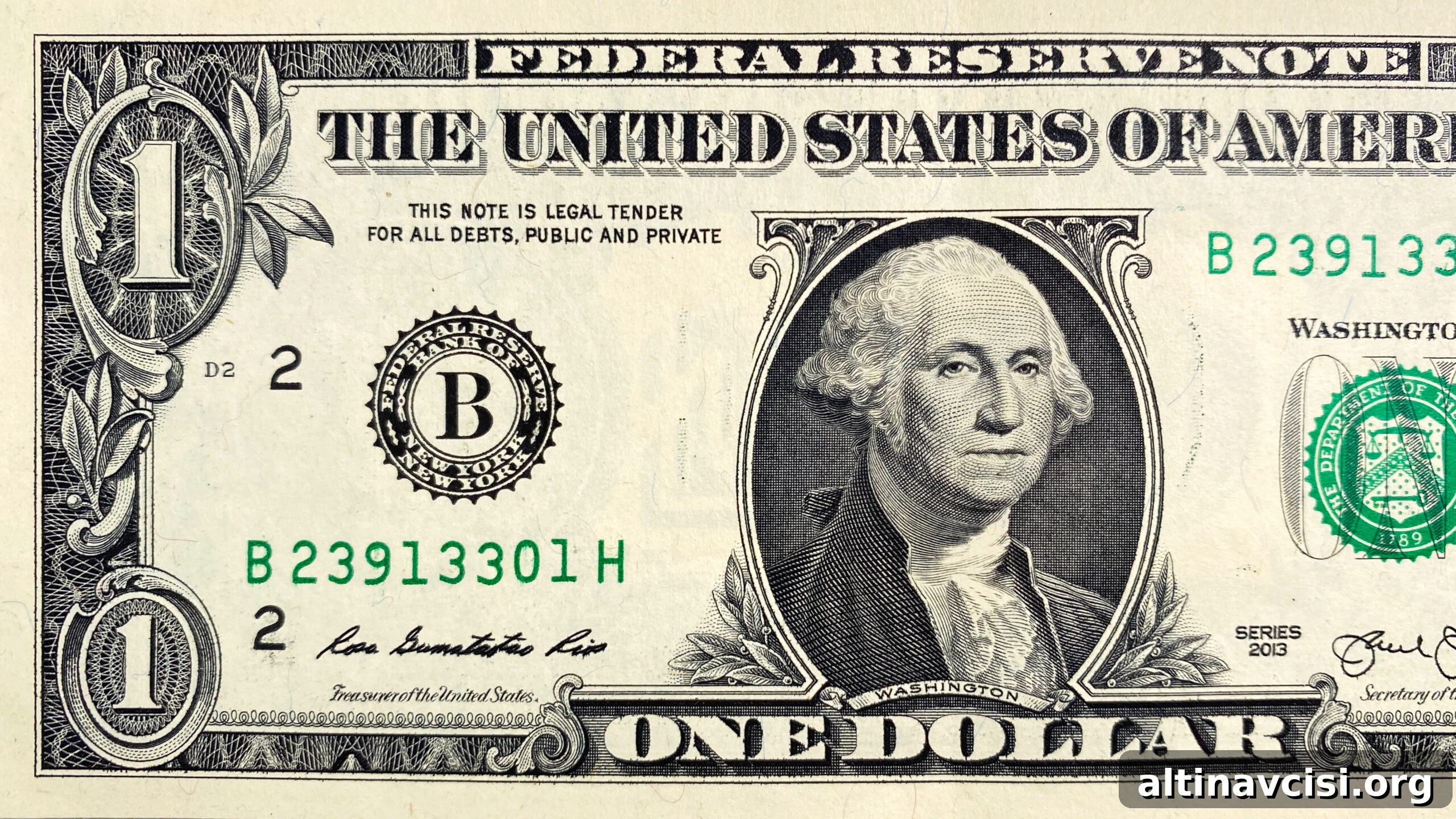
Over the first half of the year, the U.S. dollar has fallen by nearly 10%, a decline that surprised many observers who had expected tariffs and protectionist measures to support the currency.
A weaker dollar can help U.S. exporters by making American goods cheaper abroad, partially offsetting some tariff effects. At the same time, a softer currency raises the cost of imports, which can feed into higher consumer prices and add inflationary pressure. Those dynamics complicate efforts to maintain low inflation and stable interest rates—key economic goals for any administration.
President Trump continues to publicly advocate for a strong dollar, but the currency’s slide has created mixed signals inside his administration as policymakers weigh the trade-offs between supporting exporters and controlling import-driven inflation. The tension highlights the broader challenge of managing trade policy, monetary conditions, and domestic price stability in an increasingly interconnected global economy.