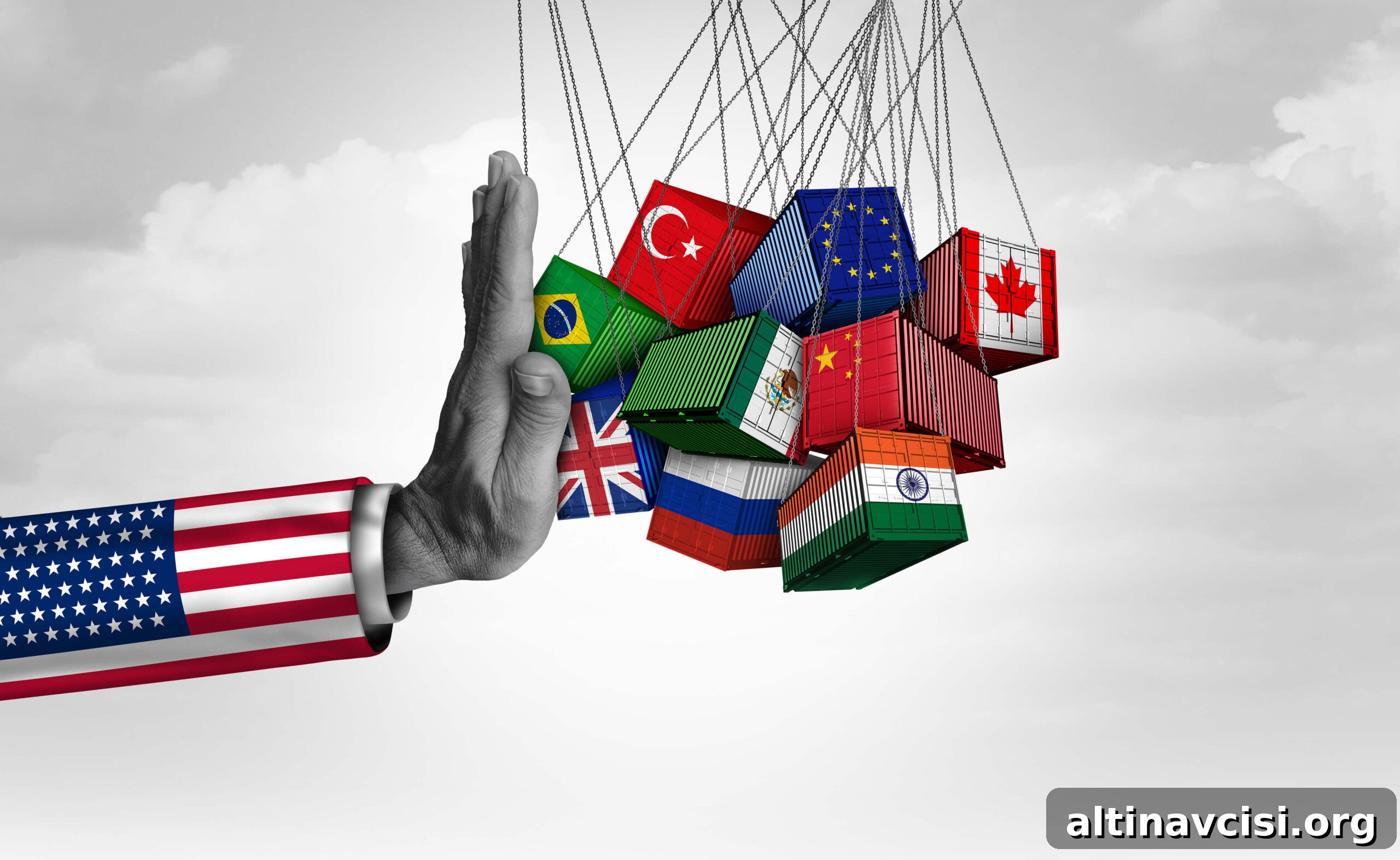
High-stakes trade negotiations between the European Union and the United States have reached a decisive phase as an Aug. 1 deadline set by President Trump approaches. The administration has warned it may impose a 30% tariff on a wide range of EU exports if no agreement is reached.
Although talks continue and negotiators remain engaged, no definitive breakthrough has been achieved. Brussels is preparing a range of contingency measures should negotiations fail, while also indicating it might accept an imperfect agreement to avoid large-scale tariffs and economic disruption.
The proposed U.S. levies, if implemented, could affect vehicles, steel, aluminum and selected industrial goods, with some estimates suggesting a significant share of EU shipments to the U.S. would be exposed. Business groups caution that prolonged uncertainty could postpone investment decisions and strain transatlantic supply chains.
Companies and governments on both sides are monitoring the situation closely. Firms are reviewing sourcing strategies and contingency plans to limit potential disruption, while policymakers are assessing the legal and economic options available, including retaliatory measures. The coming days will likely determine whether negotiators can bridge their differences or whether trade tensions will escalate with wider consequences for markets, industries and consumers.