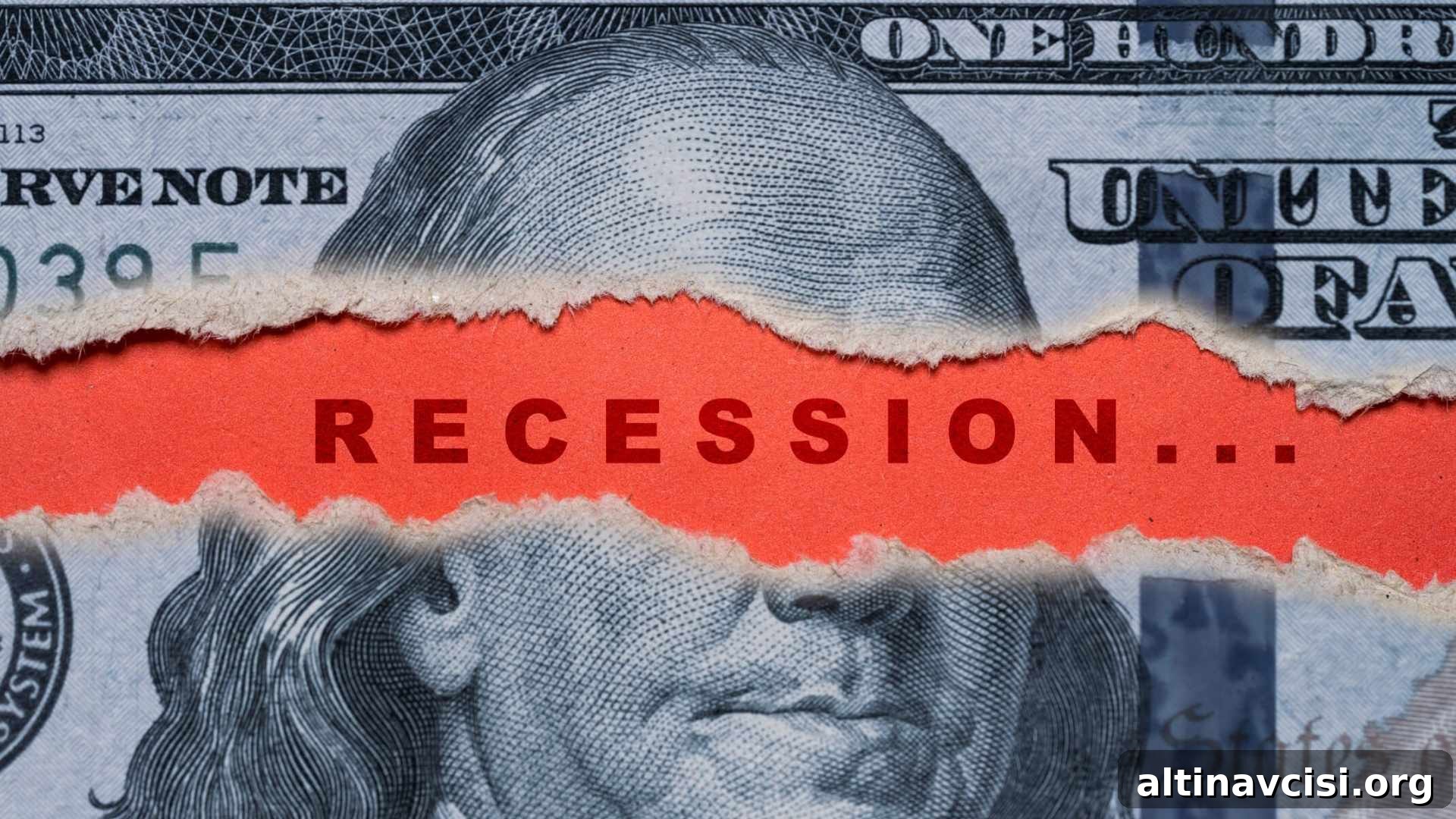
Economists warn that recent tariffs introduced by the administration will likely push the U.S. economy into a significant downturn.
Carl Weinberg of High Frequency Economics forecasts a 4.5% contraction in real GDP for the second quarter of 2023, and he expects further weakness through the latter half of the year. Weinberg labels the tariff move as an unprecedented one-day increase in the cost of doing business, arguing it will translate into higher consumer prices, weaker household spending, and job losses across exposed industries.
Other forecasters echo concerns. Michael Feroli of J.P. Morgan estimates that a recession could begin as early as June, while analysts at Goldman Sachs have increased their 12-month probability of a recession to 45% from 35%, citing the trade measures and their ripple effects through supply chains, corporate profits, and consumer confidence.
Economists point to several channels through which tariffs can depress activity: imported goods become more expensive, companies that rely on global inputs see margins squeezed and may pass costs to customers or cut costs elsewhere, and uncertainty around trade policy can delay investment plans. Together, these effects can slow hiring, reduce real incomes, and lower demand, deepening any initial downturn.
While forecasts differ on timing and severity, the consensus among many market and policy analysts is that the tariffs increase downside risk to growth. Observers also note that monetary and fiscal responses will shape the ultimate path of the economy: aggressive policy easing could mitigate some damage, whereas delayed or insufficient responses would likely worsen the contraction.
Policymakers and businesses will be closely watching incoming data on consumer spending, industrial production, and labor market conditions to gauge the depth and duration of the slowdown. For now, projections point to elevated recession risk and a period of notable economic strain if tariffs and related trade frictions persist.