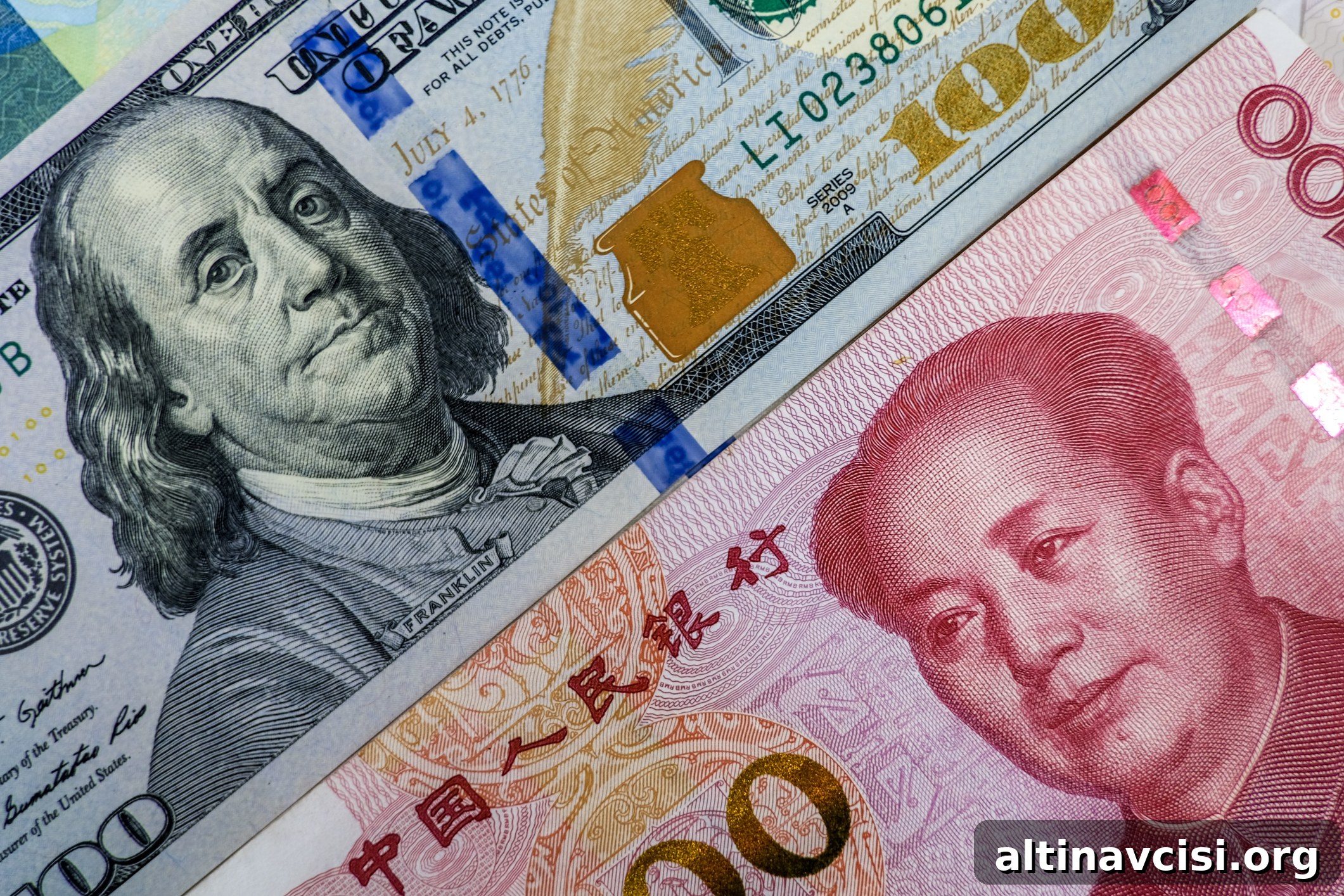
Financial strategists at Eurizon SLJ Capital estimate that Asian nations may collectively hold roughly $2.5 trillion in US-dollar reserves that could be sold in the near future.
Such a large-scale liquidation would present a meaningful downside risk to the dollar’s exchange value versus a range of Asian currencies.
The potential shift is driven in part by changing trade dynamics with the United States and the trade policies associated with former President Donald Trump, which have prompted investors and central banks to reassess positions concentrated in US assets.
Countries with notable trade surpluses—such as China, Taiwan, Malaysia and Vietnam—carry sizable, largely unhedged dollar exposures. Those holdings increase the dollar’s vulnerability if policymakers or private investors decide to diversify into other currencies or assets.
Market participants are watching several indicators for signs of a move away from dollar assets: adjustments in foreign-exchange reserve allocations, rising purchases of alternative currencies or commodities, and shifts in official or private sector balance-sheet management. Any coordinated or piecemeal sell-off from large reserve holders could amplify currency-market volatility and weigh on dollar strength.
Beyond immediate FX effects, a substantial rotation out of dollar-denominated assets would have broader implications. It could pressure US interest rates if demand for Treasuries softens, affect global capital flows, and prompt portfolio rebalancing across emerging-market and developed economies. The timing and scale of such moves remain uncertain, but the concentration of unhedged dollar exposure in a handful of Asian economies is a key factor market analysts cite when assessing downside scenarios for the dollar.
Policymakers and investors alike will likely monitor reserve-management statements, official intervention, and signs of diversification into alternative reserve assets as early warnings. For now, the prospect of up to $2.5 trillion in potential dollar sales serves as a reminder of how reserve composition and geopolitical trade patterns can influence currency markets.