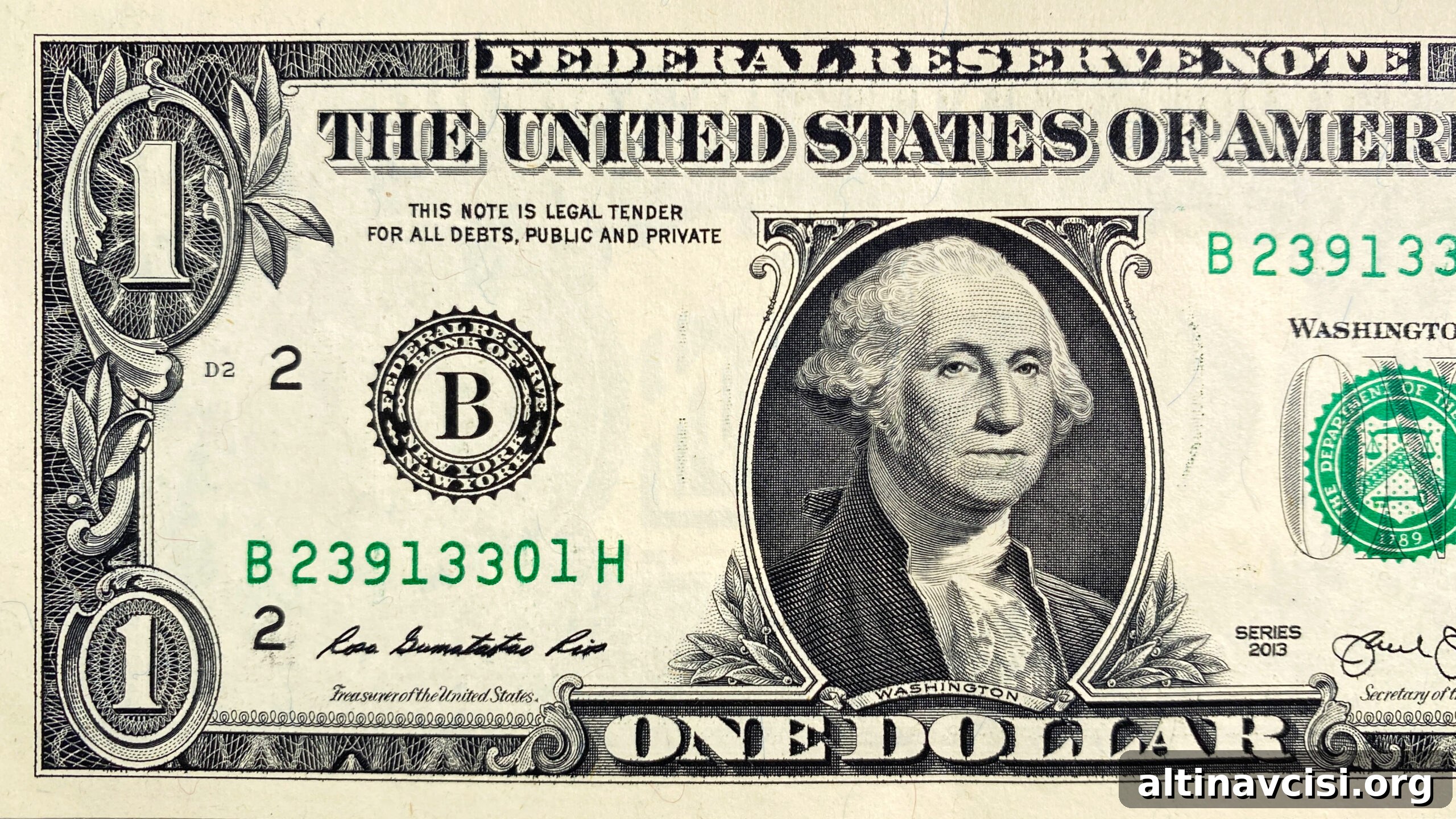
The U.S. dollar moved slightly higher on Monday as investors and markets awaited clearer guidance on President Trump’s planned tariff measures.
Market attention is focused on the imminent end of a 90-day moratorium on what has been called “Liberation Day” tariffs, which expires this Wednesday. Higher tariff rates are scheduled to take effect on August 1, and the administration has indicated it will deliver formal notification to roughly a dozen countries that will face increased levies. In addition, President Trump has suggested the possibility of imposing an extra 10% tariff on nations aligned with the BRICS grouping, creating further uncertainty around trade policy and international relations.
Those trade-policy developments are being watched closely because of their potential to influence global supply chains, corporate costs, and currency flows. Businesses that rely on imported inputs may face higher expenses if tariffs are implemented as announced, which could in turn affect profit margins, consumer prices, and investment decisions. Financial markets tend to react to both the direct economic implications of tariff changes and to the broader political signaling those measures represent.
Even with the dollar’s modest uptick on Monday, the currency remains close to multi-year lows. So far this year the dollar has fallen roughly 10%, prompting questions among investors about whether it still functions as a reliable safe-haven asset. A weaker dollar can be interpreted in multiple ways: it may reflect confidence in global growth and risk-taking, expectations of divergent interest-rate trajectories, or specific concerns about U.S. economic and fiscal policy. At the same time, a softer dollar can boost the competitiveness of U.S. exports and contribute to higher commodity prices, which are typically priced in dollars.
Currency traders are weighing incoming economic data, central bank comments, and geopolitical developments alongside the tariff announcements. Any further details from the White House about which countries will receive notification and how the tariffs will be implemented could prompt more pronounced dollar moves. Similarly, statements from major central banks about monetary policy or inflation could reinforce or counter current dollar trends.
Market participants also remain alert to reactions outside the United States. If targeted countries respond with retaliatory trade measures, or if global trade tensions escalate, capital flows could shift quickly, affecting not only the dollar but also currencies of economies closely tied to trade and commodity markets. Investors typically seek clarity in policy direction before making larger portfolio adjustments, so the period leading up to the end of the moratorium and the beginning of the new tariff regime is likely to remain a time of heightened sensitivity for exchange rates and broader financial markets.
In the near term, the dollar’s direction will depend on a combination of tangible policy steps, economic indicators, and risk sentiment. Traders will be watching official announcements for specifics and timing, while analysts will interpret those details in the context of ongoing global economic trends. For businesses and consumers, the immediate implications could show up in import costs, pricing decisions, and financial planning, depending on how broadly and quickly any new tariffs are applied.
Overall, Monday’s modest strengthening of the dollar reflects cautious positioning by market participants ahead of potentially significant trade-policy moves. With the moratorium ending this week and higher tariffs slated to begin on August 1, markets are likely to remain alert and reactive as more information becomes available and governments outline their next steps.