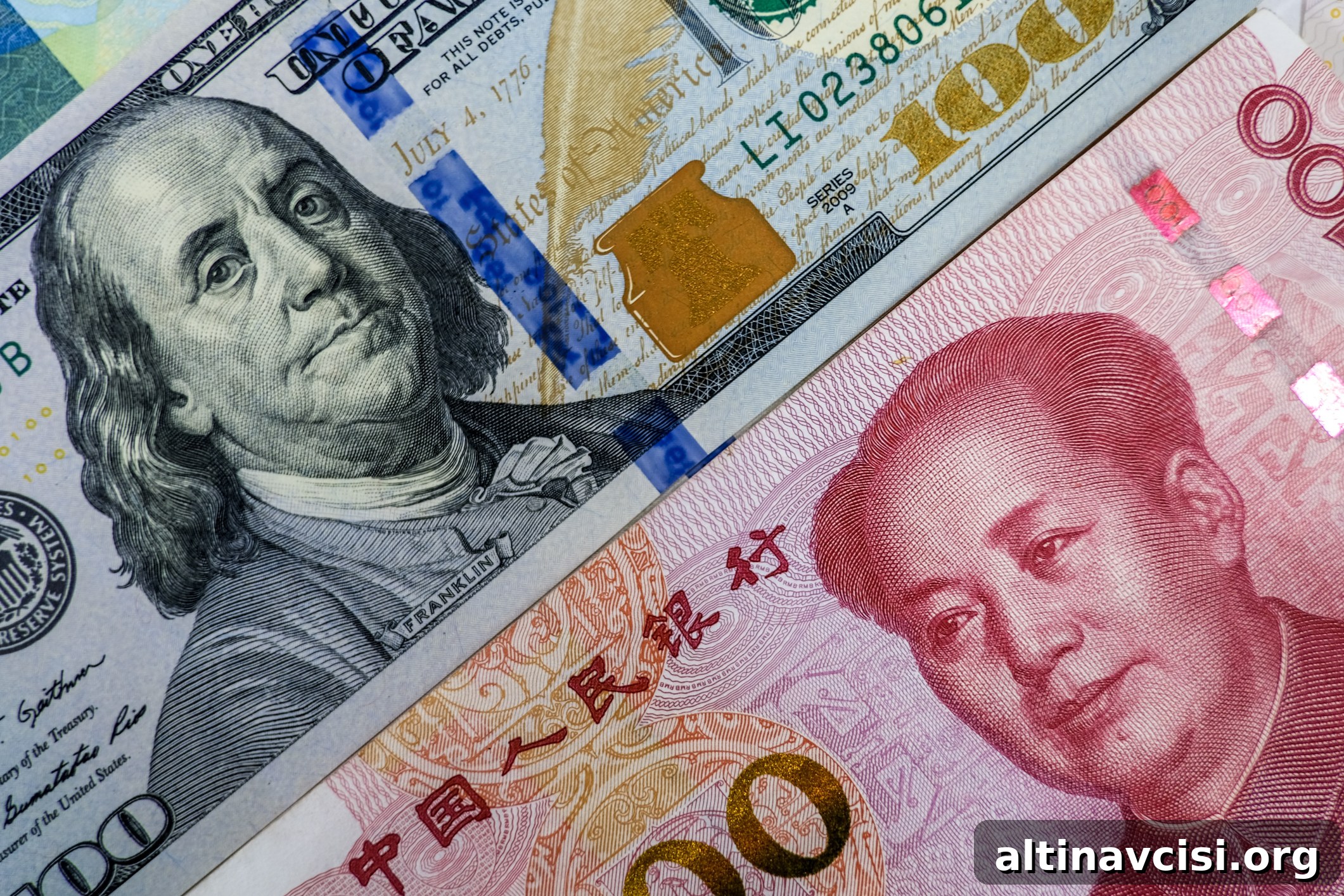
Currency markets showed cautious, measured movement on Tuesday as the dollar held near six-week lows ahead of high-stakes US-China trade talks in London. The negotiations, following a phone call between Presidents Trump and Xi Jinping, are tackling complex issues such as semiconductor export controls, access to rare earth minerals, and student visa policies—topics that could reshape supply chains and capital flows if resolved or prolonged.
The dollar index was largely unchanged at 98.989, reflecting its pronounced decline of 8.7% so far this year as investors weigh alternatives amid ongoing trade uncertainty. That retreat suggests markets are moving away from the safe-haven dollar while pricing in the economic consequences of potential policy shifts between the world’s two largest economies.
Sterling eased by 0.4% to $1.3499 after UK wage growth for the latest period came in below expectations at 5.2%. The softer wage reading may affect the Bank of England’s outlook on inflation and reduce the likelihood of near-term rate hikes, increasing the odds of earlier rate cuts. Market-implied probabilities now point to about 48 basis points of easing by year-end, a sign that investors anticipate looser monetary policy in the months ahead.
Looking ahead, market attention is squarely on upcoming economic data and central bank meetings. Wednesday’s US inflation report will be closely watched for clues about the Federal Reserve’s policy path, while central banks including the Federal Reserve and the Bank of Japan are expected to hold interest rates steady in the near term. Policymakers face a delicate balance: responding to shifting inflation dynamics while factoring in the ripple effects of global trade tensions on growth and financial markets.
Traders and investors are also monitoring how developments in London could influence global capital flows. Progress in talks might ease some supply-chain concerns and reduce near-term downside pressure on risk assets, whereas stalled negotiations could reinforce safe-haven demand and extend volatility in currency markets. In this environment, currency moves have been measured as market participants await clearer signals from both policymakers and negotiators.
Overall, the current backdrop combines slower dollar momentum, cautious reaction to UK labor data, and heightened sensitivity to geopolitical and trade developments. With key data and policy decisions due in the coming days and weeks, volatility could increase if surprises emerge, but for now markets remain subdued as traders position for fresh guidance from inflation reports and central bank commentary.