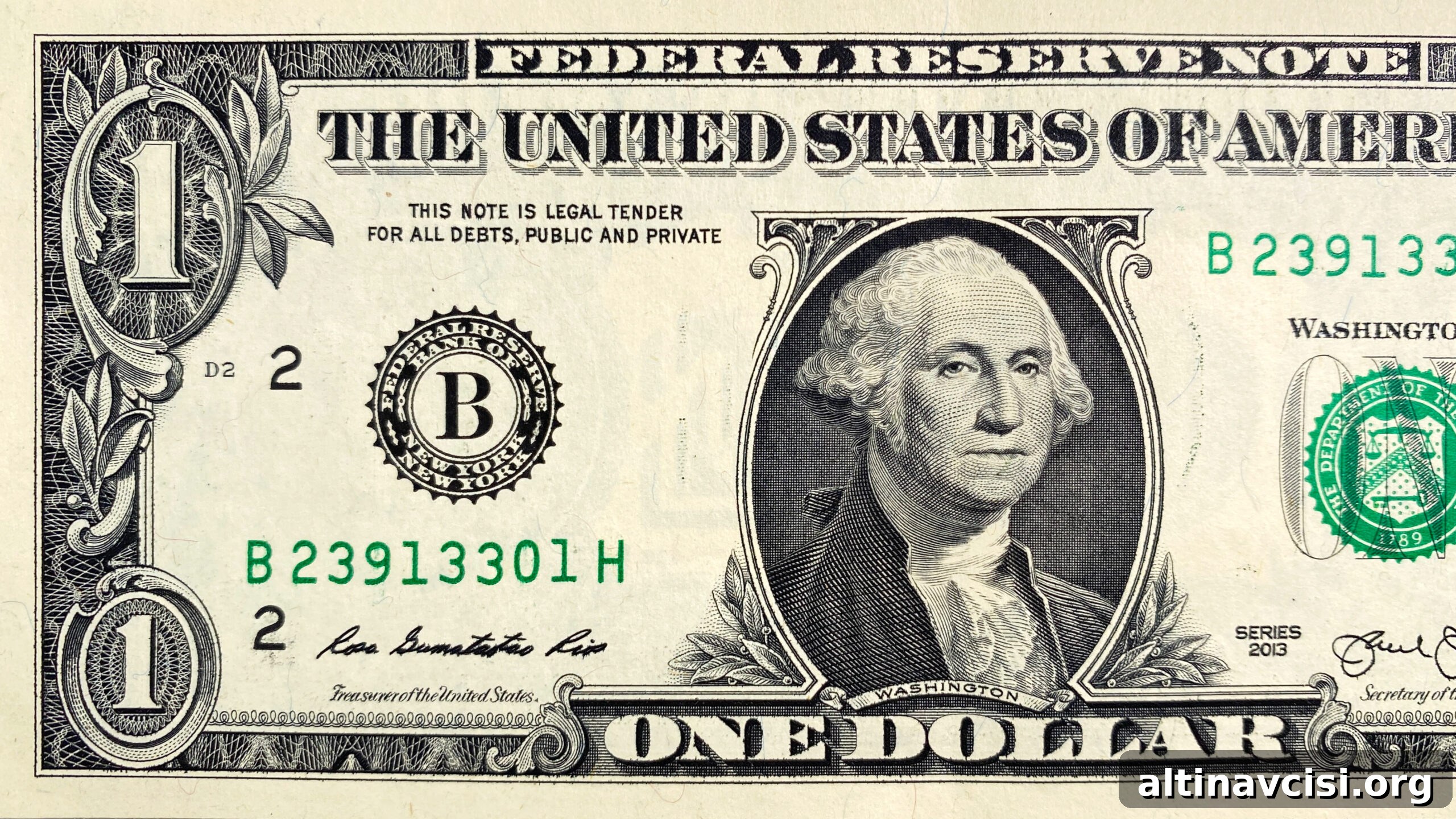
U.S. consumer prices accelerated in June, producing the fastest year-over-year increase since February. Overall inflation rose 2.7% compared with the same month a year earlier, reflecting a broadening of price pressures across multiple categories of household spending.
Core inflation, which excludes volatile food and energy costs, climbed more sharply, reaching 2.9% year-over-year. That measure is closely watched by policymakers at the Federal Reserve because it strips out short-term swings and offers a clearer view of underlying trends. The higher reading reduces the likelihood that the Fed will move quickly to lower interest rates, since persistent core inflation can indicate that demand and cost pressures are transferring more directly into consumer prices.
Analysts point to several drivers behind the June increase. Tariffs implemented by the administration have begun to show up in retail pricing, with steeper costs seen on items such as groceries, clothing, furniture and household appliances. Those tariffs raise import costs for retailers and manufacturers, and some large companies have started to pass at least part of those higher costs on to customers rather than absorbing the full hit to profit margins.
Energy and housing costs also contributed to the overall gain. Although energy prices can be volatile month to month, rises in gasoline and utility expenses add directly to headline inflation. Housing costs—rent and owners’ equivalent rent—tend to move more gradually but represent a large share of consumer spending, so even modest increases can materially affect the headline rate.
The combination of tariff-related price pass-through, higher energy bills, and persistent housing costs has increased pressure on households, particularly those with limited flexibility in their budgets. Food prices have been a notable area of concern, as grocery bills are rising for many families and represent a frequent point of contact between inflation statistics and daily life. When shoppers see higher prices at the supermarket, political scrutiny often intensifies and public frustration can rise quickly.
Businesses are responding in different ways. Some large retailers and brand owners have absorbed part of the added expense to protect market share, while others are raising prices to maintain profit margins. The decision to pass on costs depends on competitive positioning, inventory strategies, and expectations about whether tariffs will be temporary or persistent. For durable goods such as furniture and appliances, where production inputs and shipping costs have been affected, price increases have been particularly visible.
For policymakers, the current readings signal a need for caution. The Federal Reserve balances multiple goals: containing inflation while supporting employment and growth. Stronger-than-expected core inflation complicates plans to ease monetary policy, since lowering interest rates too soon risks allowing inflation to become entrenched. As a result, officials will likely weigh incoming data carefully in deciding the timing and scale of any future rate changes.
In Washington, the inflation surge has intensified political debate. Elected officials and candidates are highlighting rising costs as they assess trade policy and economic strategy. Public concern over higher consumer prices can influence legislative priorities and electoral dynamics, particularly when price increases hit essential categories such as food and housing.
Looking ahead, economists will watch upcoming monthly reports for signs that inflationary pressures are moderating or persisting. Key indicators include wages, import prices, producer prices, and inventory levels, along with developments in trade policy and energy markets. If tariffs remain in place or expand, their cumulative effect on consumer prices could increase over time, prompting further scrutiny from businesses, consumers, and policymakers alike.
For now, the June data underscore that inflation has not fully returned to the more subdued pace seen earlier in the year. The rise in core and headline inflation reflects a mix of temporary and potentially longer-lasting factors. Consumers and businesses are already feeling the impact, and the pathway forward will depend on how quickly trade-related cost shocks fade, how energy prices evolve, and how monetary policymakers respond to evolving inflation dynamics.