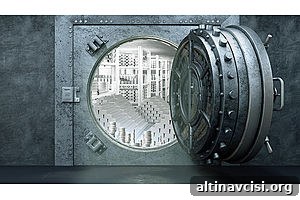
Silver is an affordable way to diversify your assets, but it comes with a practical challenge: as you accumulate it, silver takes up significant space. Rather than hiding coins or bars under a mattress, it’s important to choose proper storage so your investment remains secure and accessible when needed.
Below are some of the most common and effective options for storing silver safely and efficiently.
3 Methods of Silver Storage
Use these three storage methods to evaluate which approach fits your needs, risk tolerance, and budget.
1. Home Silver Storage
A quality home safe can protect a limited amount of silver and give you quick access during an emergency. Keep in mind that storing everything at home isn’t necessary or recommended. Many people keep only a portion of their holdings at home for immediate needs and place the remainder in a professionally managed facility.
If you retain silver at home, secure it in a bolted, fire-resistant safe and consider additional precautions such as a discreet storage location and limiting knowledge of its placement. You should also explore insurance options for home-held precious metals—some homeowner policies offer limited coverage, but often a separate policy or rider is needed for full protection.
2. Bank Safe Deposit Box
A bank safe deposit box can provide a more formal storage option, but it has limitations. Banks are custodians, not insurers, and there are no federal requirements forcing banks to compensate customers if safe deposit contents are lost or stolen. Because of that, you will likely need separate insurance for items stored in a safe deposit box.
Additionally, bank closures or administrative errors can complicate long-term access to contents. For these reasons, many investors treat bank boxes as a medium-term option rather than a permanent storage solution.
3. Third-Party Vault Storage
Professional depositories specialize in storing precious metals and typically provide the highest level of security and service. Common security features include:
- High-grade vault construction
- Armed security personnel
- 24-hour video surveillance
- Access controls and biometric scanners
- Metal detectors and bulletproof barriers
Reputable vault operators generally insure stored metals at replacement value, removing the burden of securing a separate insurance policy yourself. They also offer inventory audits and record-keeping, which can simplify ownership documentation and make it easier to buy or sell holdings when needed.
Many professional vault services include online account management, letting you view your holdings and execute transactions without transporting physical metal.
3 Tips for Storing Your Silver
Follow these practical guidelines to preserve the condition and security of your silver holdings.
1. Keep the Location Private
Limit knowledge of your storage location to one trusted person—such as a close family member or attorney—who can act on your behalf if something happens to you. The fewer people who know about your silver, the lower the risk of theft or fraud. Only share storage details with essential parties such as your insurer or the vault operator, and document those arrangements where possible.
2. Use Anti-Tarnish Tools
Silver naturally tarnishes over time, so use protective measures to reduce oxidation and surface damage:
- Anti-tarnish linings or bags: Store coins and bars in anti-tarnish pouches or lined containers to protect them from environmental contaminants.
- Gloves and tools: Handle silver with lint-free cotton gloves or plastic tweezers to avoid transferring oils that accelerate tarnish and leave fingerprints.
If you use a third-party vault, confirm whether these protective measures are part of their standard handling procedures.
3. Take the Right Precautions with Insurance
If you insure silver stored at home or in a bank box, carefully evaluate the policy terms and costs. Consider these factors:
- Your comfort with disclosure: Adding coverage may require sharing details with an insurance agent or appraiser. Make sure you trust the parties involved and understand what information is recorded.
- Security requirements: Some insurers mandate specific security measures—such as a bolted safe or alarm system—to qualify for coverage. Confirm these conditions in writing.
- Cost versus value: Insurance for precious metals can be expensive; ensure the premium is justified by your holdings’ value.
For many investors, third-party vault storage reduces exposure by combining high-level security with built-in insurance and professional oversight.
Consider Professional Vault Storage
Choosing the right storage method depends on how much silver you own, how accessible you need it to be, and how much risk you’re willing to accept. Professional vaults tend to offer the most reliable long-term protection with inventory controls, insurance, and secure access options. Home safes and bank deposit boxes can be appropriate for smaller quantities or short-term needs, provided you address the insurance and security implications.
Evaluate your priorities—immediacy of access, cost, and level of protection—before deciding where to store your silver. Proper storage preserves value, prevents loss, and makes managing your precious metals easier over time.