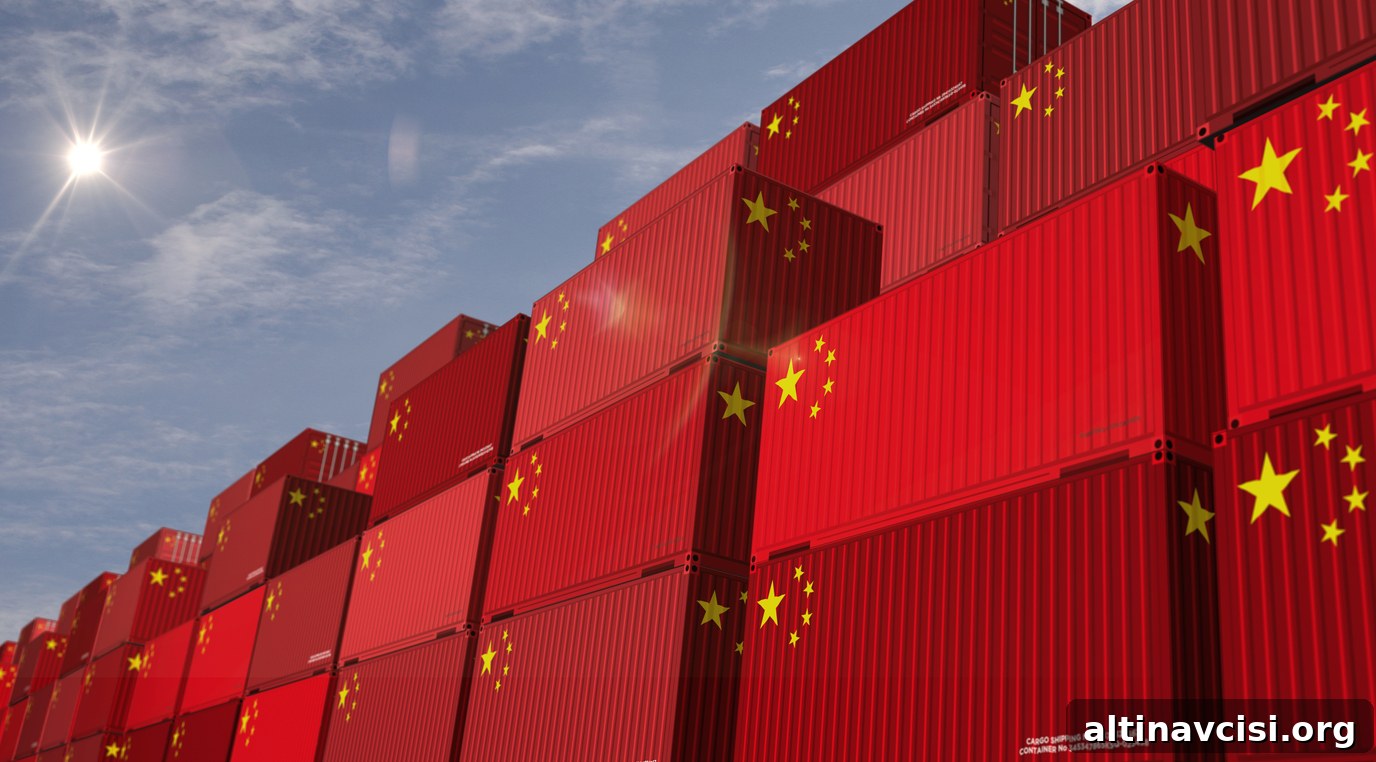
China has retaliated to President Trump’s proposed 10% blanket tariff by imposing more targeted measures on roughly $20 billion of U.S. imports. The announced tariffs include a 15% duty on certain coal and liquefied natural gas (LNG) shipments and a 10% duty on crude oil and selected vehicle models. These steps are deliberately calibrated to affect specific industries rather than mirror the proposed blanket approach.
In addition to tariffs, Chinese authorities have opened an antitrust investigation into Google and flagged several American companies, including apparel maker PVH and biotech firm Illumina, as potential subjects for further restrictions. The package is set to take effect on February 10, providing a window for diplomatic engagement and negotiation. Both Beijing and Washington appear to be managing their responses to avoid escalation into a full-scale trade war, leaving room for talks aimed at de-escalation.
At the same time, the U.S. administration has temporarily suspended threatened 25% tariffs on imports from Mexico and Canada, allowing a 30-day negotiation period to seek agreement on outstanding issues. President Trump has also indicated that the European Union could be next in line for trade measures if bilateral disputes remain unresolved.
Markets reacted quickly to these developments. Crude oil prices fell on concerns that trade frictions could dampen global demand, while several currencies weakened against the dollar amid growing uncertainty about the duration and scope of trade tensions. Investors and businesses are watching closely as policy announcements and negotiations over the coming weeks will influence supply chains, commodity markets, and broader economic sentiment.
Overall, China’s targeted countermeasures—combining selective tariffs, regulatory reviews, and the possibility of additional sanctions—reflect a strategic effort to apply pressure while preserving room for negotiation. The coming weeks will be important for both sides as they weigh further actions and seek to manage the economic fallout of escalating trade disputes.