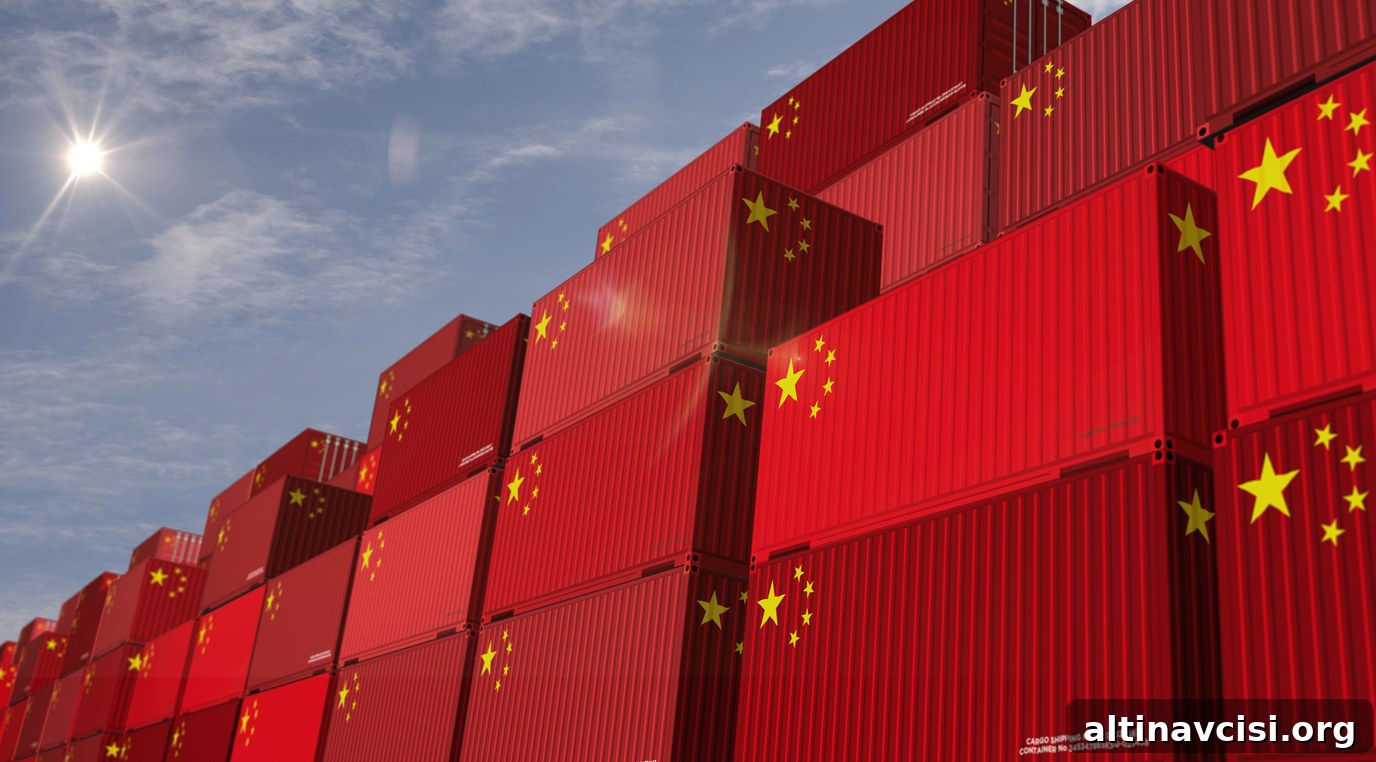
China has responded to recent US trade measures by increasing tariffs on American imports, raising duties on certain goods from 84% to 125% effective Saturday. The move represents an escalation in the ongoing trade dispute between Beijing and Washington, even as the Trump administration announced a 90-day pause on some tariffs and the European Union matched the US pause on corresponding retaliatory duties.
White House officials have clarified that when all measures are combined, US tariffs on Chinese goods amount to a minimum effective rate of 145%, higher than the 125% figure cited by President Trump. The discrepancy highlights the complexity of calculating combined duties and retaliatory measures in the current dispute.
The dispute has weighed on US financial markets and dented investor confidence, with volatility increasing as businesses and investors assess the potential economic fallout. Despite the tariff hikes, Chinese officials have signaled they do not intend to continue escalating tariffs further if the United States maintains the temporary pause and enters negotiations.
Members of the Trump administration, including Treasury Secretary Scott Bessent, have publicly sought to reassure markets and investors by emphasizing diplomatic channels and ongoing efforts to reach new trade agreements during the pause period. They stress that negotiations and the search for mutually acceptable solutions are underway, aiming to reduce uncertainty and stabilize economic expectations while talks continue.