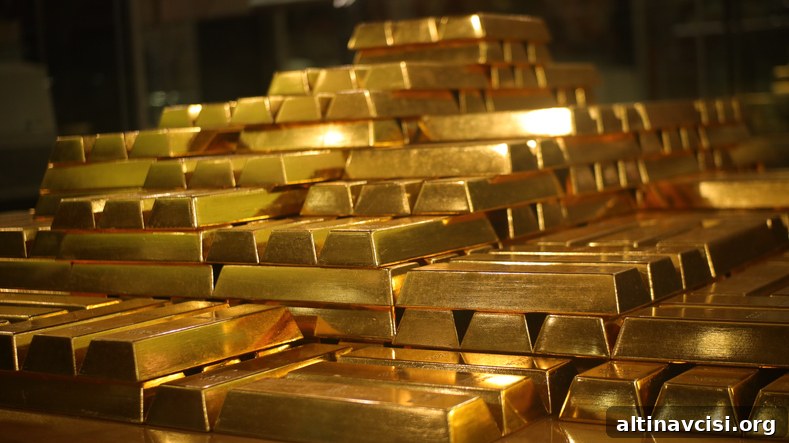
Central banks began 2025 by continuing their gold purchases, adding 18 tonnes in January. Emerging market countries accounted for the bulk of this buying, with Uzbekistan, China and Kazakhstan recording the largest increases. Poland and India each added about 3 tonnes to their official reserves.
According to the World Gold Council’s 2024 report, central banks remain a major source of gold demand, motivated by a mix of economic and geopolitical considerations. Since 2022, as global risk has shifted from largely military conflicts to broader economic uncertainty, many central banks have steadily increased their gold holdings. They often take advantage of price dips to accumulate gold and may make tactical sales when prices rise.
This persistent interest underscores gold’s strategic role within official reserves. Central banks use gold to diversify portfolios, protect purchasing power and hedge against currency and financial-system risks. In an environment of persistent uncertainty—marked by inflationary pressures, fluctuating exchange rates and geopolitical stress—official institutions continue to view gold as a reliable store of value and a stabilizing reserve asset.
Emerging markets in particular have been active buyers, reflecting efforts to reduce dependence on any single currency and to build buffers against external shocks. By increasing allocations to gold, these countries aim to strengthen long-term financial resilience and improve confidence in their reserve management strategies.
Poland and India’s modest additions reflect ongoing reserve-management policies that balance liquidity needs with long-term security. For many central banks, allocating a portion of reserves to gold complements holdings in foreign exchange and sovereign debt, offering a non‑yielding but historically stable asset that performs differently from conventional financial instruments.
Overall, the continued central bank appetite for gold in early 2025 highlights a wider trend toward diversification and risk mitigation. As global economic and geopolitical dynamics evolve, gold remains a core component of many countries’ strategies to preserve wealth, support monetary stability and respond to future shocks.