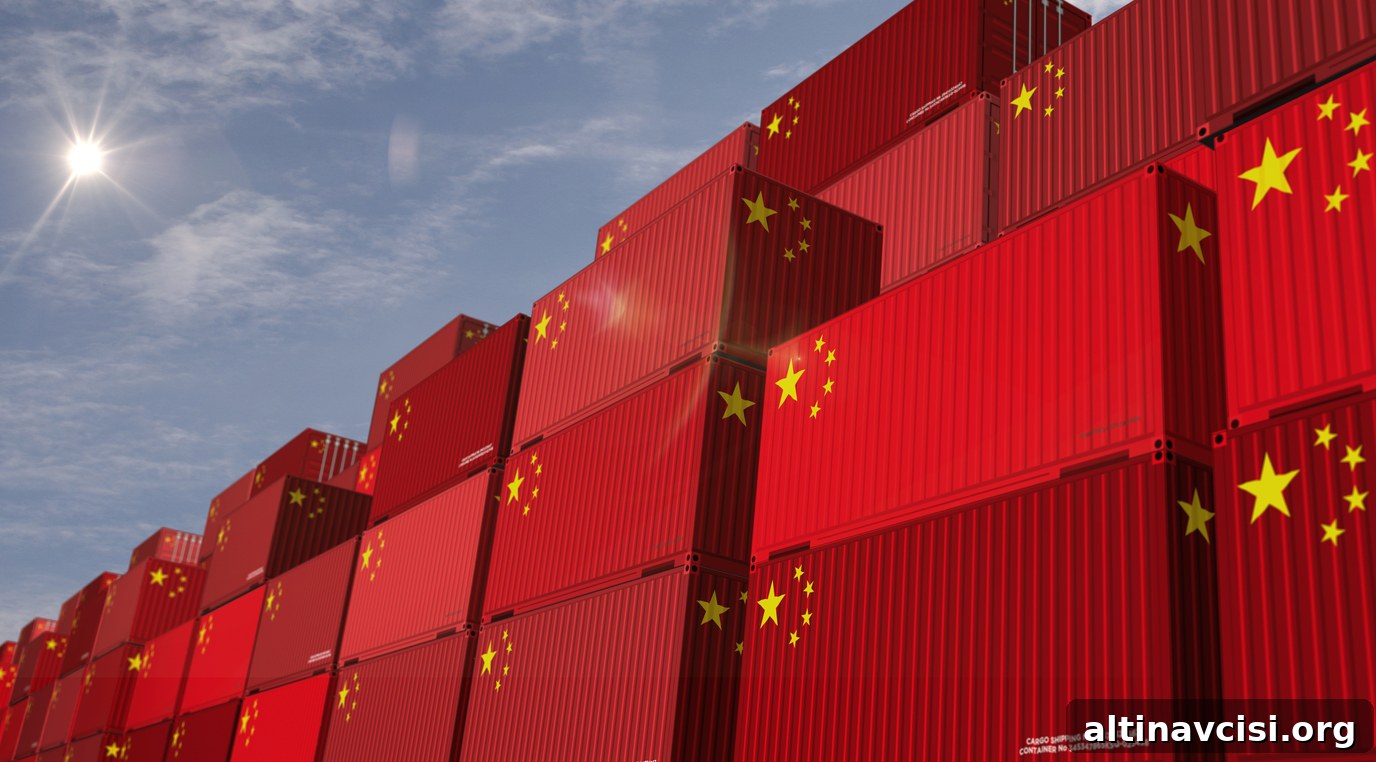
President Donald Trump announced sweeping tariffs that raise duties on many imports from Canada and Mexico to 25% and increase the tariff on most goods from China to 20%. Together these measures affect roughly $1.5 trillion in annual imports and represent one of the largest recent shifts in U.S. trade policy.
In response to the U.S. actions, trading partners have begun to retaliate. Canada has announced phased tariffs targeting roughly $107 billion in American products, while China has imposed additional duties on certain U.S. agricultural exports, with some levies reaching up to 15%. These countermeasures are intended to pressure the United States to change course, but they also risk escalating tensions and disrupting established supply chains.
Economists and business groups warn the tariffs will translate into higher costs for American consumers and companies. Imported goods that had previously been available at lower prices are likely to carry added charges, and businesses that rely on cross-border inputs may face higher production costs. These increased expenses can reduce household purchasing power and squeeze profit margins, potentially slowing economic activity.
Beyond immediate price effects, the tariffs could alter investment and trade patterns. Companies may seek to reroute supply chains away from countries subject to tariffs or accelerate plans to relocate production domestically or to third countries not affected by the duties. Such adjustments can take time and investment, and in the interim they may reduce efficiency and raise prices for consumers. Industries with complex international supply chains—automotive, electronics and manufactured goods—are particularly exposed to disruption.
Agriculture and food producers also stand to be affected. Tariffs on U.S. farm exports can reduce demand for American crops and raise uncertainty for growers. Farmers facing reduced export opportunities may experience lower prices and revenue, prompting calls for government support or adjustment assistance. Similarly, higher tariffs on imported foodstuffs can push up retail prices for consumers and change purchasing patterns.
International relations and the global trading system may also be affected. Retaliatory tariffs can trigger a cascade of measures from other countries seeking to defend their own industries, which could amplify the economic fallout and heighten diplomatic tensions. Trade disputes of this scale often involve negotiations, and outcomes depend on whether parties reach compromises, impose further measures, or pursue dispute settlement through international forums.
Policy analysts emphasize several longer-term risks. Persistent trade barriers can reduce overall productivity by limiting access to competitive suppliers and technologies. They can also slow the diffusion of innovation that typically occurs through open trade and international collaboration. In addition, uncertainty about trade policy can dampen business investment: when firms cannot reliably predict costs or market access, they may delay or scale back expansion plans.
Consumers may notice the effects most directly at the checkout counter and at the gas pump. Tariffs on imported consumer goods and intermediate inputs tend to be passed through into retail prices over time, although the distributional impact varies—lower-income households often spend a larger share of their income on traded goods and may be disproportionately affected. Higher import costs can also feed into inflation metrics, complicating monetary policy decisions for central banks.
Some sectors and stakeholders support tariffs as a tool to protect domestic industries and jobs from foreign competition deemed unfair or predatory. Proponents argue that higher duties can create breathing room for domestic producers to rebuild capacity and invest in modernization. Critics counter that tariffs are a blunt instrument that can produce collateral damage across the economy and invoke retaliatory measures that harm exporters.
As the situation unfolds, businesses, consumers and policymakers will weigh the costs and benefits of the new trade environment. Monitoring developments—such as further retaliatory actions, exemptions or negotiated settlements—will be essential for affected industries to adapt. For now, the tariffs mark a significant shift in trade relations with key partners and introduce economic frictions whose full consequences will unfold over months and years.